

In short: No. In De Soleil South Beach Ass’n v. Perrin, the Third DCA affirmed a ruling that a master association’s 2016 amendment violated the Condominium Act. The amendment effectively reclassified condo common elements as master association property and gave it power to fine, lien, and evict owners. Owners’ Chapter 718 rights could not be taken away by amendment.
The Facts
The De Soleil South Beach in Miami Beach is a mixed-use building with three parcels: a condominium of 80 transient-use units, commercial space, and a parking garage. In 2006 the developer recorded a condominium declaration submitting the residential units to the Condominium Act, and a master declaration dividing the building into the three parcels, each with one vote in a master association. Because the developer owned the garage and commercial parcels, it controlled the master association. The condo declaration said the master declaration would control in a conflict.
In 2016, over the residential association’s objection, the master association adopted a second amendment to the master declaration. It restricted unit owners’ garage access, required 24 hours’ notice for rentals by owners outside a pooled rental program, put certain railings and concrete under master association control, and claimed the power to fine, lien, and evict individual owners.
The master association sued for a declaration that the amendment was valid. Two unit owners opposed it and counterclaimed. The trial court ruled the contested provisions violated the Condominium Act, and the master association appealed.
The Decision
The Third District affirmed in an opinion by Judge Bokor. The court accepted that only the residential parcel was subject to the Condominium Act, but held that did not save the amendment. By reclassifying condominium common elements as master association property, the amendment separated and encumbered common elements without the units, contrary to section 718.107, and removed condominium property, easements, and utility infrastructure from condominium control, contrary to section 718.108.
The court reasoned that unit owners could not waive those collective statutory rights themselves, so a master association that was not even a party to the condo declaration could not take them away. It relied on its earlier decision in IconBrickell Condominium No. Three Ass’n v. New Media Consulting (2020), which held that a declaration cannot override statutory condominium rights, and on the non-waiver rule in section 718.303(2). The remaining arguments were affirmed without discussion.
The Law
A condominium exists only by statute, so the Condominium Act controls over conflicting private documents. Section 718.107 ties each unit’s undivided share of the common elements to the unit, so the common elements cannot be separated or encumbered apart from the unit. Section 718.108 defines what the common elements include. Section 718.102 applies the Act to every Florida condominium, and section 718.303(2) bars waivers of Chapter 718 rights that would hurt unit owners.
Mixed-use buildings often layer a master declaration over the condo declaration. Those master documents can govern shared facilities and parcel relationships, but they cannot be used to strip common elements or statutory protections from the condominium.
Current law (2026): Sections 718.107, 718.108, 718.303(2) remain in the 2026 statutes; 718.303 last amended 2024 (ch. 2024-244), waiver language in (2) unchanged.
Lessons
- In a mixed-use building, read both the condo declaration and the master declaration, and know who controls the master association’s votes.
- A master declaration that says it controls in a conflict still cannot override the Condominium Act.
- Amendments that move common elements out of the condominium, or give a master association direct fining, lien, or eviction power over unit owners, are vulnerable.
- Unit owners and residential associations can use a declaratory judgment action, or a counterclaim, to test an amendment.
Source: De Soleil South Beach Ass'n v. Perrin, No. 3D24-0707 — Fla. 3d DCA (July 9, 2025).
Watch the Oral Argument
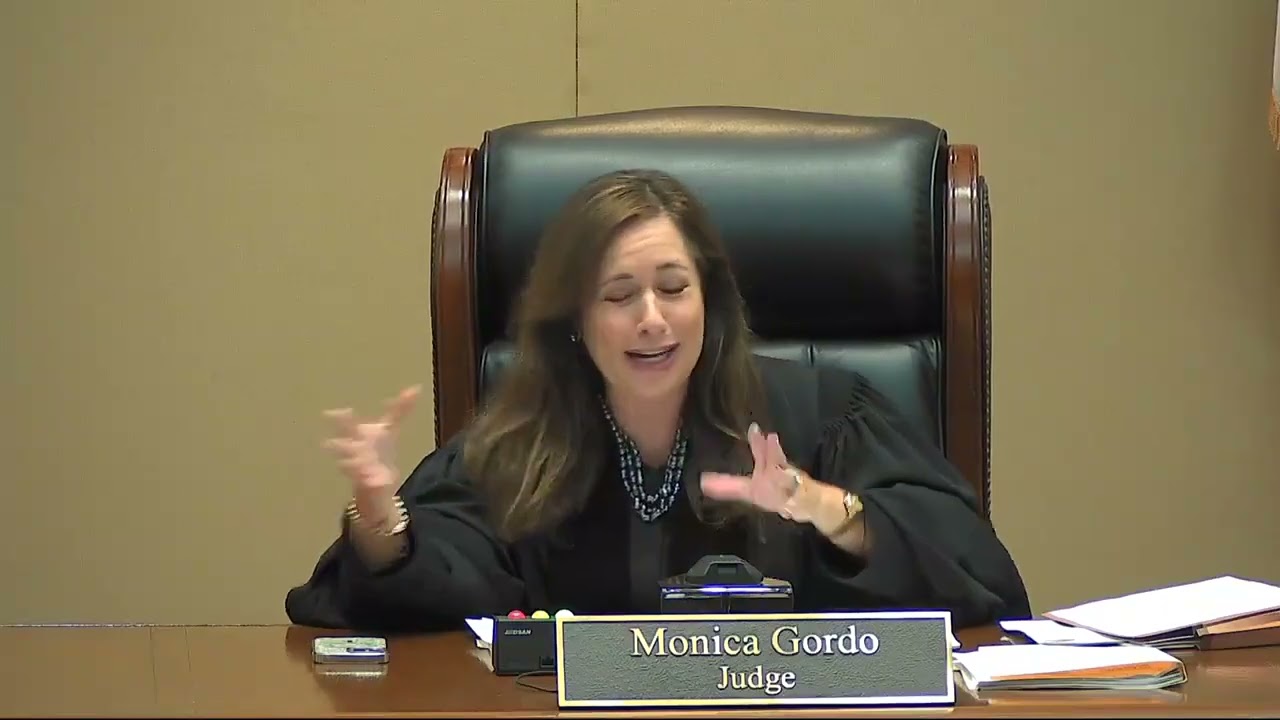
This is the recording of the actual oral argument, posted on the channel. What lawyers and judges say at argument is not the ruling; the decision is summarized above.
Condo-Hotel Master Association — Can It Override Unit Owners' Rights Under Chapter 718? | De Soleil v. Perrin
Go Deeper
- Florida Condo Owners' Rights: Special Assessments, Records, and Disputes With the Association
- HOA and Condo Association Foreclosure in Florida: Notice Rules and Defenses
Frequently Asked Questions
Can a master association amend documents to take condo common elements in Florida?
Not if the change violates the Condominium Act. In De Soleil v. Perrin, the Third DCA held an amendment that reclassified condo common elements as master association property conflicted with sections 718.107 and 718.108 and was invalid. The trial court’s ruling for the unit owners was affirmed.
Does a master declaration override a condominium declaration?
It may control in conflicts between the private documents, but neither can override Chapter 718. The Third DCA held that statutory condominium rights prevail over conflicting private agreements, even in a mixed-use building where only one parcel is a condominium. Read both documents together.
Can condo owners waive their rights under Florida's Condominium Act?
Generally not if the waiver would harm unit owners or defeat the statute’s purpose. Section 718.303(2) bars such waivers. The court reasoned that if owners could not give up these rights, a master association could not take them. Narrow exceptions exist for meeting notices.
Can a master association fine or evict individual condo owners in Florida?
The trial court in De Soleil invalidated an amendment claiming that power, and the Third DCA affirmed. Owners in mixed-use buildings facing similar provisions should have the governing documents reviewed against Chapter 718. The answer depends on what the documents actually say and whether they conflict with the statute.
Talk to a Florida condominium and real estate lawyer
Weidner Law, P.A. handles Florida condominium and real estate disputes from St. Petersburg. If you need a real estate litigation lawyer, call (727) 954-8752 or email weidner@mattweidnerlaw.com.
Read the law yourself, free: every Florida statute and court rule is on floridarules.net.
This article is general information about Florida law, not legal advice about your situation. Reading it, watching the videos, or contacting the firm does not create an attorney-client relationship. Every case turns on its own facts, and past results do not guarantee a similar outcome. The hiring of a lawyer is an important decision that should not be based solely upon advertisements.
