

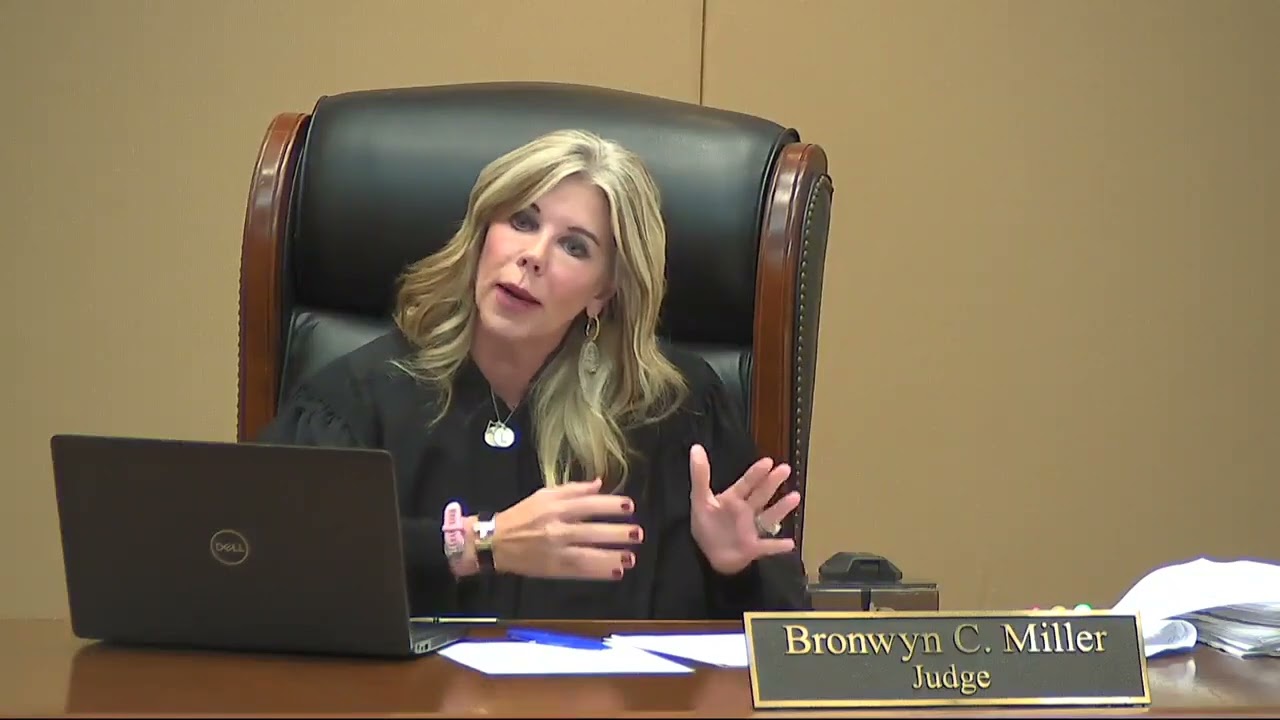
In short: The father lost. After paying the full purge in a child support contempt order, he asked the trial court to dissolve the equitable lien and forced sale ordered against his homestead. The trial court refused, and the Third DCA denied certiorari without an opinion. Judge Miller dissented, arguing payment of the purge removed the basis for the lien.
The Facts
The majority denied the petition without an opinion, so the facts below come from Judge Miller’s dissent and the parties’ arguments.
The unmarried parents of a child with disabilities had a paternity judgment giving the mother full timesharing and requiring the father to pay retroactive support, monthly support, and private school tuition. When he did not comply, the mother sought indirect civil contempt. In 2021 the trial court held him in contempt and set a purge of $160,391.72 for arrears, tuition, accounting and attorney’s fees, and costs, while noting possible further arrears it did not quantify. Finding his conduct egregious, the court placed an equitable lien on his homestead and ordered a court-appointed realtor to sell it, with proceeds held in escrow. The Third District affirmed that order without opinion in 2023.
The father then paid the purge amount. He moved to dissolve the lien, discharge the realtor, and end the escrow requirement, and gave notice that he was exercising a right of redemption. The trial court denied his motions. He petitioned for certiorari, arguing that a civil contempt sanction must lift once the purge is paid. The mother argued the 2021 order, already affirmed, secured ongoing support and that the father had obstructed the sale.
The Decision
On December 3, 2025, the panel denied the petition in a per curiam order with no explanation (Judges Fernandez and Lindsey). An unexplained denial of certiorari sets no precedent and does not mean the court approved every part of the trial court’s reasoning.
Judge Miller dissented. In his view, a contemnor who pays the purge is automatically relieved of the contempt, so the lien and sale lost their stated purpose once the specified sum was paid. He noted that homestead protection generally bars forced sale for support debts absent fraud or reprehensible conduct, that the egregiousness finding related to the father’s ability to pay the purge, that law of the case did not apply because purge and redemption were not raised in the earlier appeal, and that nothing authorized keeping the lien as security for future compliance. Any later arrears, he wrote, would require a new determination, including present ability to pay.
The Law
Article X, section 4 of the Florida Constitution protects a homestead from forced sale, with narrow exceptions. Courts have allowed equitable liens on homestead in support cases only in limited circumstances, such as fraud or reprehensible conduct that frustrates collection, relying on the Florida Supreme Court’s decision in Havoco of America v. Hill (2001). Civil contempt must be coercive, not punitive, and the contemnor must hold the keys to the cell through a purge he can actually pay.
Support enforcement remedies are found in section 61.17 and section 61.14, and the contempt procedure appears in Florida Family Law Rule of Procedure 12.615. Certiorari review of non-final post-judgment orders requires showing a departure from the essential requirements of law causing irreparable harm, a demanding standard the majority found unmet here.
Current law (2026): Homestead exemption, Art. X, s. 4, Fla. Const.; Havoco v. Hill, 790 So. 2d 1018 (Fla. 2001); prior appeal Pacin v. Granja, 383 So. 3d 477 (Fla. 3d DCA 2023).
Lessons
- Paying a contempt purge may not automatically release other enforcement tools the trial court tied to the same order.
- Raise every argument against a lien or forced sale in the first appeal. Issues not raised can be harder to revive later.
- Homestead is strongly protected, but egregious nonpayment of child support can open the door to an equitable lien.
- Certiorari is narrow. An unexplained denial leaves the trial court’s order in place without deciding the legal question for future cases.
Source: Pacin v. Granja, No. 3D25-0480 — Fla. 3d DCA (December 3, 2025).
Watch the Oral Argument
This is the recording of the actual oral argument, posted on the channel. What lawyers and judges say at argument is not the ruling; the decision is summarized above.
He Paid the Contempt Purge — Can the Court Still Force a Homestead Sale for Child Support? | Pacin v. Granja
Go Deeper
- The Surviving Spouse and the Florida Homestead: Who Gets the House When a Spouse Dies
- How Appeals Work in Florida: The 30-Day Deadline, Costs, and What a PCA Means
Frequently Asked Questions
Can my Florida homestead be sold to pay child support?
Ordinarily homestead is protected from forced sale, but courts have imposed equitable liens in support cases involving fraud or egregious conduct that frustrates collection. In Pacin v. Granja, a 2021 order imposing a lien and sale was affirmed, and the Third DCA declined to lift it even after the purge was paid.
Does paying the purge end civil contempt in Florida?
Generally yes. Civil contempt is coercive, and paying the purge is supposed to end the sanction. In Pacin, Judge Miller’s dissent argued that should have ended the lien and sale too, but the majority denied relief without explanation. The issue remains open.
What is a petition for writ of certiorari in a Florida family case?
It asks an appellate court to review a non-final order. The petitioner must show the trial court departed from the essential requirements of law and caused harm that cannot be fixed on later appeal. It is granted rarely. Most petitions are denied.
Can a court keep a lien on my home to secure future child support?
Judge Miller’s dissent said nothing authorized using the lien as security for future compliance. But the majority denied the petition without an opinion, so the trial court’s order stood and the question remains unsettled by a written majority decision.
Talk to a Florida homestead and probate lawyer
Weidner Law, P.A. handles Florida homestead, probate and real estate disputes from St. Petersburg. If you need a probate real estate lawyer, call (727) 954-8752 or email weidner@mattweidnerlaw.com.
Read the law yourself, free: the full Florida Probate Code and Probate Rules and the Florida Trust Code are on floridarules.net.
This article is general information about Florida law, not legal advice about your situation. Reading it, watching the videos, or contacting the firm does not create an attorney-client relationship. Every case turns on its own facts, and past results do not guarantee a similar outcome. The hiring of a lawyer is an important decision that should not be based solely upon advertisements.
