
In short: Not always. Florida courts allow amendments liberally, but in Doron Jockey Club v. B.V.K. the trial court refused a late amendment to plead a different chain of title to a Miami-Dade parcel, and the Third District affirmed on November 15, 2023, without an opinion. The court then denied the appellant’s motion for a written opinion.
The Facts
The case began in 2010 (lower tribunal No. 10-53384) and involved title to a Miami-Dade County parcel and an easement. B.V.K., LLC claims through a 2008 tax deed. At argument, its counsel said the trial court ruled in 2016 that B.V.K. held title, after an attorney ad litem located a surviving director of Jockey Club, Inc. and B.V.K. obtained a quitclaim deed to address a lack of notice before the tax deed sale.
For years, Doron Jockey Club, LLC (formerly Aperon, according to B.V.K.’s counsel) pleaded that Jockey Club, Inc. was the owner. According to Doron’s counsel, after deposing B.V.K.’s rebuttal title expert in early 2021 it concluded that a 1978 deed everyone had called a ‘wild deed’ was a real link in the chain, and that 1988 conveyances to and from SunBank left the disputed parcel with the bank. Doron obtained a deed from SunBank’s successor, Truist, on May 26, 2021 and moved on June 15, 2021 to amend its counterclaim to plead that chain of title. The trial court denied leave, struck the new title documents, and ruled for B.V.K. on title and the easement.
Doron appealed (No. 3D2022-0205). The Third District questioned whether the appeal was from a non-final order and temporarily relinquished jurisdiction to the trial court in March 2023. The case was argued on May 31, 2023. The points below are what the lawyers argued.
- Doron argued leave to amend must be freely given, that prejudice is the polestar, and that B.V.K. itself had asked in the alternative for limited discovery and a 60-day continuance, showing any prejudice could be cured.
- It argued that, once it held the Truist deed, it had standing to attack the 2008 tax deed as void for lack of notice to the true owner, and that the court could not strike the title documents and then decide title on the merits.
- B.V.K. argued the denial was within the court’s discretion: the amendment came after summary judgment and on the eve of trial, the deeds were in the public record and in Doron’s own 2011 title report, and Doron had pleaded a different owner for years. It raised laches and judicial estoppel.
- The panel pressed Doron on diligence and pressed B.V.K. on what concrete prejudice it faced when its own summary judgment motion put ownership at issue.
The Decision
The Third District affirmed in a one-word per curiam opinion filed November 15, 2023. Doron moved for a written opinion, and the court denied that motion on December 6, 2023. The mandate issued December 27, 2023.
Without an opinion, the affirmance does not say whether the court relied on lack of diligence, prejudice, laches, standing or something else. It leaves the trial court’s rulings in place for this case only.
The Law
Under rule 1.190(a), leave to amend a pleading ‘shall be given freely when justice so requires.’ Florida appellate courts review a denial for abuse of discretion and generally look at prejudice to the other side, whether the privilege to amend has been abused, and whether the amendment would be futile. Both sides in Doron argued those factors.
Tax deed challenges often turn on notice. Florida’s tax deed statutes, beginning with section 197.502, set out the application and notice process before a tax deed sale, and the original notice problem in this case was why B.V.K. went back to cure it in 2016.
A ‘wild deed’ is a recorded deed from someone who does not appear in the chain of title. It is hard to find in a normal title search, which is why both sides argued over who should have found these deeds and when.
Lessons
- Get a complete, current title search early in any title case. Relying on an old report for a decade proved costly here.
- When new title evidence surfaces, move to amend immediately. Delay between discovering the problem and seeking leave strengthens the other side’s prejudice and diligence arguments.
- Changing the theory of who owned the property after years of pleading one owner invites laches and estoppel arguments.
- A party opposing amendment should explain specific prejudice; an alternative request for a short continuance can be cited against it.
- A motion for a written opinion after a PCA is rarely granted. It was denied here.
Source: Doron Jockey Club, LLC v. B.V.K., LLC, No. 3D22-205 (Fla. 3d DCA Nov. 15, 2023) (per curiam affirmed); ACIS docket, No. 3D2022-0205.
Watch the Oral Argument
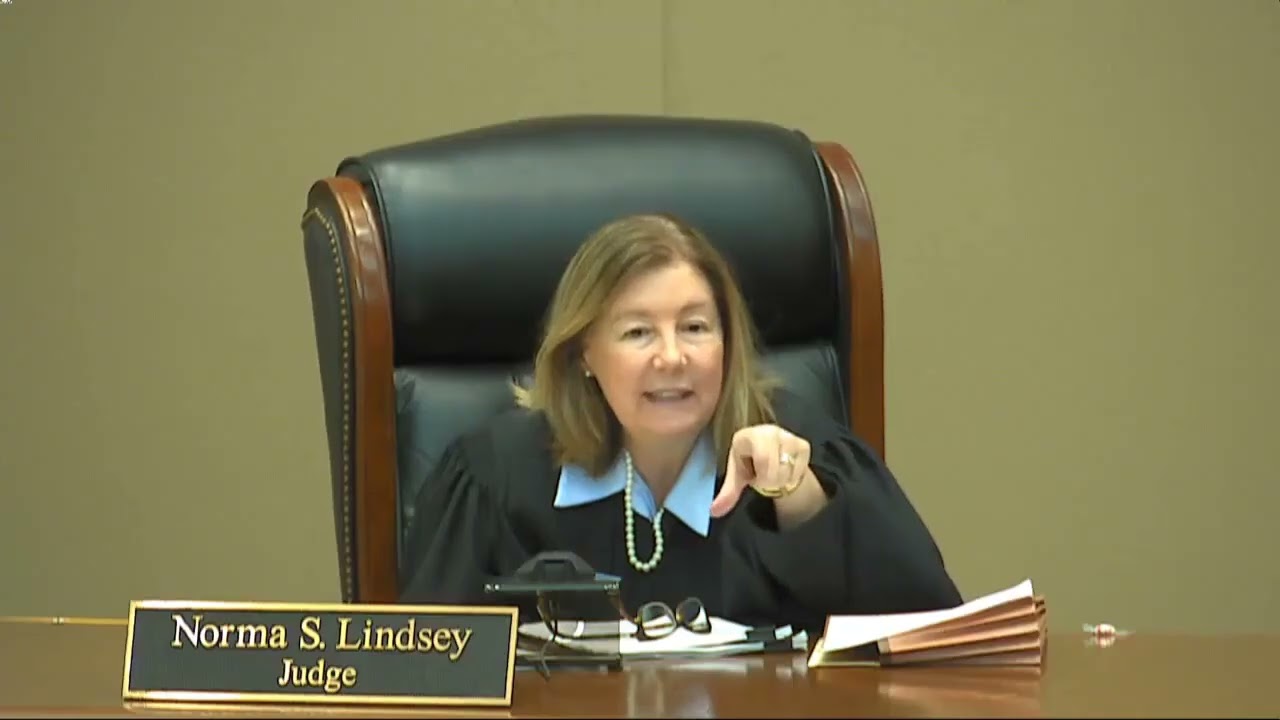
This is the recording of the actual oral argument, posted on the channel. What lawyers and judges say at argument is not the ruling; the decision is summarized above.
📜 New Chain of Title on the Eve of Trial — Was Denying Leave to Amend an Abuse? Florida Appeal
📜 A 1978 'Wild Deed' Surfaces on the Eve of Trial — Can You Still Amend? | Fla. R. Civ. P. 1.190
Read the Law on FloridaRules.net
The statutes and court rules discussed in this article, free to read on FloridaRules.net:
Go Deeper
- Paying the Taxes on One of Two Folios Didn't Stop the Tax Deed (Toledo v. CL Real Estate)
- Appealing Too Early: Why a Condo Ownership Appeal Was Dismissed (Mantabs v. Happy Fiddler)
- Recorded 40 Minutes Too Late: A Dock Easement That Didn't Stick (Hagelin v. U.S. Funding)
Frequently Asked Questions
Can I amend my complaint or counterclaim right before trial in Florida?
You can ask, and rule 1.190(a) says leave shall be given freely when justice requires. But courts weigh prejudice, delay and futility, and late amendments are often denied. In Doron Jockey Club v. B.V.K., denial of a late amendment pleading a new chain of title was affirmed.
What is a wild deed?
A wild deed is a recorded deed that is outside the chain of title, usually because the grantor never appears as an owner in the record. In Doron, both sides had treated a 1978 deed as wild until an expert testified it was part of the chain.
Who can challenge a Florida tax deed for lack of notice?
Generally someone with an interest in the property who was entitled to notice. In Doron, the panel asked how the appellant could challenge the 2008 tax deed if it was not the owner; it answered that it acquired title in 2021, but the trial court struck those documents and the judgment was affirmed.
Can I get a written opinion after a per curiam affirmance?
You can move for one under the appellate rules, but the court has discretion. The Third District denied Doron’s motion for a written opinion on December 6, 2023.
Talk to a Florida real estate litigation lawyer
Weidner Law, P.A. handles Florida real estate disputes, title problems and appeals from St. Petersburg. If you need a real estate litigation lawyer, call (727) 954-8752 or email weidner@mattweidnerlaw.com.
Read the law yourself, free: every Florida statute and court rule is on floridarules.net.
This article is general information about Florida law, not legal advice about your situation. Reading it, watching the videos, or contacting the firm does not create an attorney-client relationship. Every case turns on its own facts, and past results do not guarantee a similar outcome. The hiring of a lawyer is an important decision that should not be based solely upon advertisements.
