
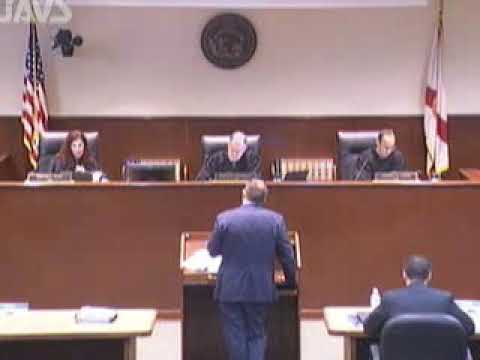
In short: After full briefing and oral argument, the Second DCA dismissed this Pinellas condominium appeal without reaching the merits. The order appealed was not final because interrelated counterclaims were still pending in the trial court, so the appeal was premature. A later appeal in the same case ended in a per curiam affirmance in 2021.
The Facts
This appeal came out of a long-running Pinellas County lawsuit filed in 2007 (No. 2007-CA-9702) between Mantabs, LLC and members of the Salem family on one side and The Happy Fiddler Association, Inc. (a condominium association) and Theochem Laboratories, Inc. on the other. According to the video, the dispute centered on ownership of condominium common area. The court never issued a merits opinion, so the facts here come only from the parties’ framing, not from findings of the appellate court.
The owners appealed a ruling in April 2018. Three days after the notice of appeal was filed, the Second DCA issued an order noting the appeal would proceed as an appeal of a partial final judgment under Florida Rule of Appellate Procedure 9.110(k) and inviting the association to challenge jurisdiction. The parties briefed the case, filed competing motions for appellate fees, and argued it in Tampa on May 14, 2019. This was the owners’ second trip to the Second DCA: an earlier appeal (2D16-2952) had been dismissed in 2017 for the same basic reason.
The Decision
On August 21, 2019, a panel of Judges Casanueva, Kelly, and Lucas dismissed the appeal as taken from a nonappealable, nonfinal order. The court explained the appeal was premature because interrelated counterclaims remained pending in the trial court, citing cases holding that when claims rest on the same facts and are intertwined, reviewing one of them early would invite piecemeal appeals. Both sides’ motions for appellate attorney’s fees were denied.
The video’s description calls the outcome a PCA. That is not accurate for this case number. The dismissal was a jurisdictional ruling, not an affirmance. After the trial court finished the case, the owners appealed again (2D20-2703); that appeal was argued in November 2021 and ended in a per curiam affirmance on December 15, 2021, with appellate fees awarded to the association under section 718.303 and the condominium declaration.
The Law
Florida appellate courts generally review only final orders. Rule 9.110(k) of the Florida Rules of Appellate Procedure allows an appeal from a partial final judgment, but only where the order fully disposes of a claim or a party that is separate and distinct from what remains. If the claims still pending in the trial court arise from the same facts and are legally intertwined, the order is not a partial final judgment and an appeal will be dismissed. The Second DCA relied on Universal Underwriters Ins. Co. v. Stathopoulos, Workmen’s Auto Ins. Co. v. Franz, and Morgan v. Blancher for that rule.
For condominium disputes, fees also matter: section 718.303, Florida Statutes lets the prevailing party recover reasonable attorney’s fees in actions to enforce the condominium statute and governing documents, which is how the association later obtained appellate fees.
Current law (2026): Fla. R. App. P. 9.110(k) and section 718.303, Florida Statutes, remain in effect in 2026.
Lessons
- Before appealing a partial ruling, ask whether any related claims or counterclaims are still pending. If they share the same facts, the appeal is probably premature.
- When the appellate court invites a jurisdictional challenge, take it seriously; a dismissal can come even after oral argument.
- A premature appeal costs time and fees but usually does not forfeit your rights; you can appeal after the final judgment.
- In condominium cases, the losing side can end up paying the association’s fees under section 718.303 and the declaration.
Source: Mantabs, LLC v. The Happy Fiddler Association, Inc., No. 2D18-1343 — Fla. 2d DCA (August 21, 2019).
Watch the Oral Argument
This is the recording of the actual oral argument, posted on the channel. What lawyers and judges say at argument is not the ruling; the decision is summarized above.
Who Owns Condo Common Areas in Florida? | MANTABS v. Happy Fiddler, 2D18-1343
Go Deeper
- Who Owns the Spa and Lobby? Condo-Hotel Rights on Appeal (North Carillon v. Z Capital)
- Developer Parking and Storage Assignments Upheld (Aria on the Bay)
- Florida Condo Owners' Rights: Special Assessments, Records, and Disputes With the Association
Frequently Asked Questions
Can I appeal a partial judgment in Florida?
Sometimes. Rule 9.110(k) permits an appeal of a partial final judgment that fully resolves a separate, distinct claim or a party. If related claims or counterclaims based on the same facts are still pending in the trial court, the appellate court will usually dismiss the appeal as premature, as it did in Mantabs.
What happens if my appeal is dismissed as premature?
The appellate court does not rule on the merits. The case returns to the trial court to finish the remaining claims, and the party can appeal again after a final judgment. In Mantabs, the owners did exactly that and their later appeal was decided in 2021.
Can a Florida appellate court dismiss after oral argument?
Yes. Jurisdiction can be raised at any time, and the court must confirm it has jurisdiction before deciding the merits. In Mantabs, the Second DCA heard argument in May 2019 and then dismissed the appeal three months later because the order was not final.
Who pays attorney's fees in a condo association lawsuit in Florida?
Section 718.303 allows the prevailing party in an action to enforce the condominium statute or the association’s governing documents to recover reasonable attorney’s fees, and many declarations add their own fee clause. In the later Mantabs appeal, the association was awarded appellate fees under both.
Talk to a Florida condominium dispute lawyer
Weidner Law, P.A. handles condominium association and unit-owner disputes from St. Petersburg. If you need a property dispute lawyer, call (727) 954-8752 or email weidner@mattweidnerlaw.com.
Read the law yourself, free: every Florida statute and court rule is on floridarules.net.
This article is general information about Florida law, not legal advice about your situation. Reading it, watching the videos, or contacting the firm does not create an attorney-client relationship. Every case turns on its own facts, and past results do not guarantee a similar outcome. The hiring of a lawyer is an important decision that should not be based solely upon advertisements.
