
In short: In Toledo v. CL Real Estate Holdings, LLC, a former owner fought a tax deed on her Miami-Dade home, which carried two tax folio numbers. She argued that a cashier’s check for the taxes on one folio, and the omission of a homestead amount from the opening bid, should have defeated summary judgment quieting title in the tax deed buyer. The Third District affirmed without a written opinion on October 23, 2013.
The Facts
Andrea Toledo owned a single home in Miami-Dade County that carried two property tax folio numbers. According to the tax collector’s counsel at argument, she had asked years earlier for the folios to be grouped into one, but a folio cannot be canceled while its taxes are delinquent, and the taxes had gone unpaid since 2001. The property was sold for taxes, and CL Real Estate Holdings, LLC obtained the tax deed.
Before the sale, a cashier’s check was tendered for the exact taxes due on one of the two folios. That temporarily stopped the sale, but the property was re-advertised and sold. CL then sued to quiet title, and the Miami-Dade circuit court granted summary judgment for CL. Toledo appealed. A separate argument about notice of the summary judgment hearing was conceded in the reply brief.
The points below are what the lawyers argued at oral argument, not findings by the court.
- Toledo argued that whether the county accepted or negotiated the check was a disputed fact that should have defeated summary judgment.
- She argued the opening bid at the tax deed sale should have included one-half of the assessed value because the property was her homestead, and that the Taxpayer’s Bill of Rights let her raise that point.
- CL argued the only defense allowed against a tax deed holder is full payment of the taxes before the deed issued, and that homestead status is measured when the property is sold, when it was no longer her homestead.
- Counsel for the tax collector and clerk argued that the statute measures homestead by the latest tax roll, which showed no exemption in 2010, and that an omitted homestead amount is not a ground for setting aside a tax sale.
- The panel asked how paying the taxes on one folio could be anything but a partial payment when the owner herself treated the home as one parcel.
The Decision
The Third District affirmed on October 23, 2013, in a per curiam affirmance with no written opinion. The mandate issued November 12, 2013.
The affirmance leaves the tax deed buyer’s quiet title judgment in place. Without an opinion, it does not announce a rule on partial payments across multiple folios or on homestead opening bids.
The Law
Payment is the defense. Section 65.081(3) limits what a former owner can raise when a tax deed holder sues to quiet title: essentially, that the taxes assessed against the property were paid before the tax deed was issued. A payment that covers only part of the taxes on the property does not fit that defense, which is why the panel focused on whether one folio’s taxes could ever be enough.
Homestead opening bid. Section 197.502(6)(c) requires the opening bid on homestead property to include an amount equal to one-half of the latest assessed value of the homestead. The added amount is meant to protect some of the former owner’s equity. The dispute here was whether the property was still homestead under the latest tax roll and whether the issue could be raised at all in a quiet title action.
Notice. Courts also recognize lack of constitutionally required notice as a ground to attack a tax deed. Toledo’s notice argument was conceded in her reply brief and was not argued.
Lessons
- Pay all the taxes on the property, not just one folio. A partial payment is unlikely to stop a tax deed or defeat a quiet title action.
- If a property has more than one folio number, find out exactly what is delinquent on each and get a written payoff for the whole property.
- Keep your homestead exemption current. The homestead opening bid protection depends on the property’s status on the tax roll.
- Defenses after a tax deed issues are narrow. Act before the sale, when there are more options.
- If you have received a tax deed notice, talk to a lawyer immediately. The time between notice and sale is short.
Watch the Oral Argument
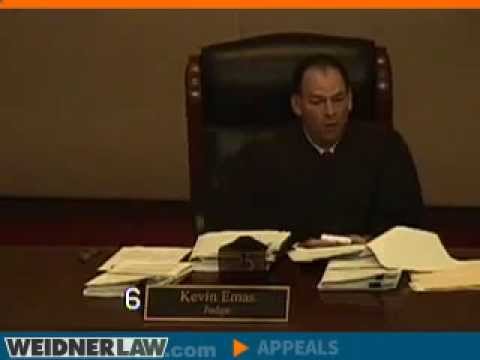
This is the recording of the actual oral argument, posted on the channel. What lawyers and judges say at argument is not the ruling; the decision is summarized above.
📜 Tax Deed Challenge: Payment on One of Two Folios | Toledo v. CL Real Estate Holdings, 3D13-0579
Go Deeper
- Tax Deed Surplus Funds in Florida: Who Gets the Money and How Fast You Must Claim It
- Florida Homestead Exemption and the November 2026 Property Tax Amendment
- Lis Pendens Attack on a County Court Lien Sale Fails (Zelaya v. BAM 32, Inc.)
Frequently Asked Questions
How can a former owner challenge a tax deed in Florida?
The grounds are narrow. Under section 65.081(3), the main defense to a tax deed holder’s quiet title suit is that the taxes were paid before the deed issued, and courts also consider lack of required notice. In Toledo, the owner’s other arguments did not carry the day.
Does paying part of the delinquent taxes stop a tax deed sale?
Generally no. The taxes assessed against the property must be paid. In Toledo, a check for the taxes on one of the home’s two folios stopped the sale only temporarily, and the buyer’s title was upheld.
What is the homestead opening bid in a Florida tax deed sale?
For homestead property, section 197.502(6)(c) adds one-half of the latest assessed value of the homestead to the opening bid. The parties in Toledo disputed whether the home was still homestead on the latest tax roll.
What happens to extra money from a tax deed sale?
Money above what is owed is held by the clerk as surplus, and former owners and lienholders can claim it under the statutory process. Deadlines apply, so claims should be filed promptly.
Talk to a Florida real estate litigation lawyer
Weidner Law, P.A. handles Florida real estate disputes, title problems and appeals from St. Petersburg. If you need a real estate litigation lawyer, call (727) 954-8752 or email weidner@mattweidnerlaw.com.
Read the law yourself, free: every Florida statute and court rule is on floridarules.net.
This article is general information about Florida law, not legal advice about your situation. Reading it, watching the videos, or contacting the firm does not create an attorney-client relationship. Every case turns on its own facts, and past results do not guarantee a similar outcome. The hiring of a lawyer is an important decision that should not be based solely upon advertisements.
