
In short: In Bay Point Schools v. Bay Point School Properties, a nonprofit that ran a school on property owned by another Miami-Dade nonprofit argued its written leases were never meant to create a landlord-tenant relationship and that the owner’s lawyer, who prepared the papers for both sides, had told it so. The trial court entered summary judgment for the property owner. On August 6, 2014, the Third District affirmed in a short per curiam opinion citing a case holding that fraud and estoppel claims cannot contradict a contract’s express terms.
The Facts
Bay Point Schools, Inc. operated a school on property owned by a separate nonprofit, Bay Point School Properties, Inc. According to the argument, the school was in possession from 1992, signed a lease in 1995, signed amendments in 1998, 1999 and 2000, and signed an amended and restated lease in 2005. The Department of Juvenile Justice (DJJ) had a sublease, and the panel noted that roughly $18 million in improvements were built on the property. DJJ left in 2009.
The owner sued to recover the property and obtained summary judgment. The school appealed the final judgment (No. 3D13-1396) and a non-final order (No. 3D13-1274); the Third District consolidated the two under 3D13-1396. The points below are what the lawyers argued, not findings by the court.
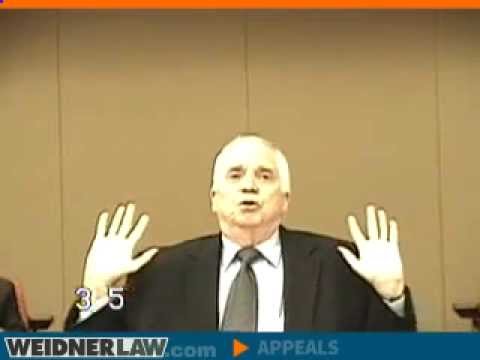
- The school’s counsel, Joseph P. Klock, Jr., argued that one lawyer prepared the leases for both nonprofits and told the school they were not real leases but a way to protect the school in its dealings with DJJ. He pointed to terms that he said made no sense in a true lease, such as a condemnation clause and amendments that kept shortening the term, and argued these fact questions should have gone to trial.
- The owner’s counsel, Raoul G. Cantero, argued that the common-lawyer theory first appeared in the reply brief and was never pleaded, that the only defenses left were fraudulent inducement and estoppel, and that neither can contradict the express terms of a written contract. He read lease language giving the improvements to the landlord when the lease ends, and noted the school signed later amendments and a new 2005 lease without objection.
- The panel asked what written contract could survive if a signer could avoid it by saying she did not read what she signed. The school’s head had testified that she signed the leases and addenda without reading them.
The Decision
The Third District affirmed on August 6, 2014, in a per curiam opinion that cites a single case, Coral Reef Drive Land Development, LLC v. Duke Realty Ltd. Partnership, 45 So. 3d 897, 902 (Fla. 3d DCA 2010). The same disposition was entered in the consolidated case, and the mandate issued August 22, 2014.
A citation affirmance gives no written reasoning, but the cited page tells readers where the court looked. At argument, the owner described Coral Reef as holding that fraud in the inducement and estoppel cannot be used to contradict the express terms of a contract. The affirmance means the summary judgment for the owner stands.
The Law
Florida courts enforce an unambiguous written contract according to its terms. A party who signs a contract is generally bound by it whether or not he or she read it. Equitable estoppel and fraudulent inducement are real defenses, but a claimed oral promise that flatly contradicts what the signed document says usually cannot be the basis for reliance.
The appeal also shows an appellate rule: an argument raised for the first time in a reply brief generally will not be considered. The owner pressed that point at argument, saying the school’s strongest theory, the shared lawyer, was not argued in its initial brief; the school pointed to its statement of facts. The Florida Rules of Appellate Procedure govern what goes in each brief.
Current law (2026): This summary judgment was decided under the old Rule 1.510 standard. Since May 1, 2021, Florida’s Rule 1.510 follows the federal summary judgment standard, which makes it easier for a party with clear written terms to win without a trial.
Lessons
- Read every lease, amendment and addendum before signing. Testimony that you signed without reading rarely helps.
- If an agreement is meant to be something other than what it says, put the real deal in writing. A side assurance from a lawyer is not a substitute.
- When one lawyer papers both sides of a transaction, each party should get independent advice before signing anything that changes its rights.
- Plead every defense and raise every appellate argument in the initial brief. Theories saved for the reply brief are usually lost.
- Improvement and surrender clauses matter. Tenants who build on someone else’s land should know who owns the buildings when the lease ends.
Source: Bay Point Schools, Inc. v. Bay Point School Properties, Inc., Nos. 3D13-1396 & 3D13-1274 — Fla. 3d DCA per curiam opinion (August 6, 2014); ACIS docket 3D2013-1396.
Watch the Oral Argument
This is the recording of the actual oral argument, posted on the channel. What lawyers and judges say at argument is not the ruling; the decision is summarized above.
📜 Estoppel vs. a Written Lease | Bay Point Schools v. Bay Point School Properties, 3D13-1396
Go Deeper
- Commercial Tenant Loses Lease Appeal Without an Opinion (American Infoage v. GF Lake)
- A Handwritten 50-Year Lease Signed by Only One Owner (Corbin v. McDaniel)
- HOA Lost Its Common Areas. Can It Recover Developer Improvements? (Centennial v. Dolomite)
Frequently Asked Questions
Can equitable estoppel override a written lease in Florida?
Rarely. Florida courts generally will not let a party use estoppel or fraudulent inducement to contradict the express terms of a signed contract. In Bay Point Schools, the Third District affirmed the owner’s judgment by citing a case for that point.
Am I bound by a contract I signed without reading?
Generally yes. Florida law presumes a person who signs a contract knows its contents. In Bay Point Schools, the school’s head testified she signed leases and amendments without reading them, and the owner still won.
Who owns the buildings a tenant puts on leased land?
The lease usually decides. The Bay Point leases, as read at argument, said improvements become the landlord’s property when the lease ends, and the sublease said the same. Without such a clause, the answer depends on whether the improvements are fixtures.
What is a per curiam citation affirmance?
It is a short affirmance that gives no reasoning but cites one or more cases or rules. It tells you the authority the court relied on without explaining how it applied. Bay Point Schools was decided that way.
Talk to a Florida real estate litigation lawyer
Weidner Law, P.A. handles Florida real estate disputes, title problems and appeals from St. Petersburg. If you need a real estate litigation lawyer, call (727) 954-8752 or email weidner@mattweidnerlaw.com.
Read the law yourself, free: every Florida statute and court rule is on floridarules.net.
This article is general information about Florida law, not legal advice about your situation. Reading it, watching the videos, or contacting the firm does not create an attorney-client relationship. Every case turns on its own facts, and past results do not guarantee a similar outcome. The hiring of a lawyer is an important decision that should not be based solely upon advertisements.
