
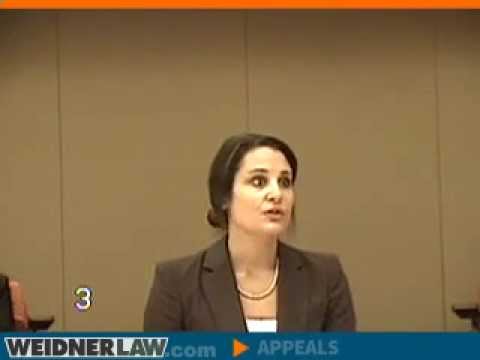
In short: In The Kurzim Group, LLC v. Velasquez, an investor bought a residential lot at a Miami-Dade tax deed sale and then sued to void recorded covenants that tied the lot to its neighbor, limited building on it, and protected a ficus tree. The trial court upheld the covenants. The Third District affirmed without a written opinion on June 4, 2014.
The Facts
Lot 10 in a Coconut Grove neighborhood was burdened by three recorded restrictive covenants. According to the argument, they said Lot 10 could not be conveyed separately from neighboring Lot 9, no separate structure over 1,000 square feet could be built on Lot 10, and a ficus tree in the center of Lot 10 could not be removed. Over the years the two lots had nonetheless ended up in separate hands, including through a foreclosure sale.
The Kurzim Group, LLC bought Lot 10 at a tax deed sale. It conceded at argument that the covenants were recorded and that it had constructive notice of them. It then sued to have the covenants declared invalid so it could build a single-family home, which the zoning allowed. The Miami-Dade circuit court ruled for the defendants, and Kurzim appealed.
The points below are what the lawyers argued at oral argument, not findings by the court.
- Kurzim argued that the Florida Supreme Court cases barring relief for changes that occurred before purchase involved owners trying to switch from residential to commercial use, while it only wanted to use the lot as zoned; that the purpose of the covenants failed once the lots were conveyed separately; and that the covenants had no time limit and left the lot with no practical use.
- Kurzim argued a tax deed sale is different because a bidder cannot make the purchase contingent on clearing restrictions, and a winning bidder who backs out faces penalties.
- The appellees, including the neighborhood association that now held the right to enforce the covenants, argued that section 197.573 makes recorded covenants survive a tax deed sale, that changes before the purchase cannot be used to void a covenant, and that the covenants still serve their purpose of keeping the lot as green space.
- Counsel for the tax collector argued that buyers who know of recorded restrictions should raise them before the sale, and that voiding them afterward would give the buyer a windfall over other bidders who bid on a restricted lot.
- The panel pressed Kurzim on constructive notice and the duty to research title before bidding, and pressed the appellees on what use the lot could have to anyone but the owner of Lot 9.
The Decision
The Third District affirmed on June 4, 2014, in a per curiam affirmance with no written opinion. The mandate issued July 2, 2014.
The affirmance leaves the covenants in place for this lot. Because there is no opinion, it does not say which argument the court accepted, and it is not precedent beyond this case.
The Law
Section 197.573, titled “Survival of restrictions and covenants after tax sale,” provides that covenants running with the land in a recorded deed or other instrument in the chain of title survive and remain enforceable after a tax deed is issued. There are exceptions for covenants that create a debt or lien or require the owner to spend money, with exceptions to those exceptions. A tax deed generally wipes out most liens, but it does not wipe out ordinary deed restrictions.
Changed circumstances. A court of equity may refuse to enforce a restrictive covenant when circumstances have changed so much that the covenant no longer serves its purpose. Florida Supreme Court decisions the parties discussed, including Allen v. Avondale Co. and Wood v. Dozier, hold that a buyer who purchases with notice of the restriction generally cannot rely on changes that happened before the purchase. That rule was the main obstacle for Kurzim.
Notice. Recorded covenants give constructive notice to every later buyer under Florida’s recording laws, including a buyer at a tax deed sale.
Lessons
- Search title before you bid at a tax deed sale. Recorded deed restrictions survive the tax deed under section 197.573.
- Price the restrictions into the bid. A lot that cannot be built on is worth far less, and a court may not let you change that after the sale.
- Do not count on changed circumstances that happened before you bought. Florida courts generally reject that argument from a buyer with notice.
- If a restriction must be challenged, the time to do it is usually before the purchase or sale, not after.
- Covenants with no end date can last indefinitely. Check whether an association or other party has the right to enforce them.
Watch the Oral Argument
This is the recording of the actual oral argument, posted on the channel. What lawyers and judges say at argument is not the ruling; the decision is summarized above.
📋 Tax Deed Buyer vs. Restrictive Covenants and a Ficus Tree | Kurzim Group v. Velasquez, 3D13-745
Go Deeper
- Tax Deed Surplus Funds in Florida: Who Gets the Money and How Fast You Must Claim It
- No Unit Count in the Deed, No Forfeiture of Building Rights (19650 NE 18th Ave v. Presidential)
- Can a Later Amendment Extend Deed Restrictions on Land Already Sold? (Fiore v. Hilliker)
Frequently Asked Questions
Does a tax deed wipe out deed restrictions in Florida?
No. Section 197.573 says recorded covenants running with the land survive and are enforceable after a tax deed is issued, with limited exceptions for covenants that create a debt or lien or require spending money. In Kurzim, the buyer took the lot subject to the covenants.
Can I get a restrictive covenant removed because the neighborhood has changed?
Sometimes, if the change is so great that the covenant no longer serves its purpose. But a buyer who bought with notice generally cannot rely on changes that happened before the purchase. That rule worked against the tax deed buyer in Kurzim.
Should I research title before bidding at a Florida tax deed sale?
Yes. Recorded covenants give constructive notice to every bidder. The tax collector’s counsel in Kurzim argued that problems with restrictions should be raised before the sale, not after.
Who can enforce a restrictive covenant in Florida?
Usually the original grantor or its successors, owners who benefit from the covenant, or an association that holds the enforcement rights. In Kurzim, the neighborhood’s homeowners association had been assigned the right to enforce the restrictions.
Talk to a Florida real estate litigation lawyer
Weidner Law, P.A. handles Florida real estate disputes, title problems and appeals from St. Petersburg. If you need a real estate litigation lawyer, call (727) 954-8752 or email weidner@mattweidnerlaw.com.
Read the law yourself, free: every Florida statute and court rule is on floridarules.net.
This article is general information about Florida law, not legal advice about your situation. Reading it, watching the videos, or contacting the firm does not create an attorney-client relationship. Every case turns on its own facts, and past results do not guarantee a similar outcome. The hiring of a lawyer is an important decision that should not be based solely upon advertisements.
