
In short: Brokers in a Florida sale must disclose known facts that materially affect the value of residential property and are not readily observable, so a broker who knows about a large hidden fee can face claims, but suing a company that was not part of the sale is much harder. In Van Arsdale v. White, a buyer of a lot in Grey Oaks in Naples sued after learning that builders in the community’s required preferred builder program paid a 7% fee to Grey Oaks Realty. The trial court entered summary judgment for Grey Oaks Realty on his unfair trade practices and conspiracy claims, and the Second District affirmed without a written opinion on October 7, 2011.
The Facts
William Van Arsdale bought a vacant lot in Grey Oaks, a Collier County development, from David and Joanne White in a resale. Recorded restrictions required owners to build with a builder from the community’s preferred builder program. What was not in the recorded documents, according to Van Arsdale, was that every preferred builder had to pay Grey Oaks Realty, Inc., the community’s realty company, a fee of 7% on the home it built, which builders passed on to the owner.
About two weeks before the May 9 closing, Van Arsdale received a Grey Oaks disclosure stating that he had to use a preferred builder and that the builder was required to pay Grey Oaks a marketing fee. It did not state the amount. He says he learned of the 7% only when a builder quoted him a price for the house.
He sued the sellers, the brokers and agents in the sale and Grey Oaks Realty. Grey Oaks Realty was not a party to the sale contract and was sued for violating Florida’s Deceptive and Unfair Trade Practices Act (FDUTPA) and for conspiring with the others. The trial court entered summary judgment for Grey Oaks Realty on both counts, ruling that the FDUTPA exemption for real estate licensees applied and that the conspiracy count failed without an underlying claim. Claims against the other defendants remained pending. Van Arsdale appealed (No. 2D11-27). Jon D. Parrish argued for Van Arsdale and Rachael S. Loukonen for Grey Oaks Realty. The points below are what the lawyers argued, not findings by the court.
- Van Arsdale argued a civil conspiracy claim does not require the underlying tort to be pleaded against the conspirator. Fraud, negligent misrepresentation and breach of fiduciary duty were pleaded against the other defendants, and Grey Oaks Realty could be liable for conspiring with them.
- He argued the fraud occurred when he signed the contract and became bound, so a disclosure delivered later did not cure it, and that he was damaged because he would have to disclose the fee to any future buyer of the lot.
- Grey Oaks Realty argued it was a licensed broker, so section 501.212(6) exempted it from FDUTPA for acts that violate the real estate license law, and that a conspiracy claim cannot stand alone without an underlying wrong by the defendant.
- It argued it disclosed the preferred builder requirement and the marketing fee before closing, that the buyer still had time in his due diligence period, and that the dispute was really about the fee’s amount.
- The panel questioned how a claim about a builder’s fee that arises only when a house is built fit a lawsuit about the closing, asked whether Grey Oaks Realty acted as a broker in this sale at all, and questioned how broadly the FDUTPA exemption could reach.
The Decision
The Second District affirmed on October 7, 2011, in a per curiam decision without a written opinion. Van Arsdale moved for rehearing, clarification, certification and a written opinion, and the court denied those motions on December 13, 2011. The mandate issued January 4, 2012.
Because there is no opinion, the affirmance does not say whether the panel agreed with the trial court’s FDUTPA exemption ruling, its conspiracy ruling or something else. It means the summary judgment for Grey Oaks Realty stands. It decided nothing about the claims against the sellers and their brokers, which remained in the trial court.
The Law
Section 501.204 of FDUTPA makes unfair or deceptive acts in trade or commerce unlawful. Section 501.212(6) exempts an act or practice involving the sale, lease, rental or appraisal of real estate by a person licensed under chapter 475 if the act violates section 475.42 or section 475.626. The idea is that the Florida Real Estate Commission polices those licensees. The panel’s questions focused on whether the exemption covers a licensed company that was not acting as a broker in the sale.
Brokers who are part of a sale do have disclosure duties. Under section 475.278, licensees are presumed to be transaction brokers, and a transaction broker must disclose all known facts that materially affect the value of residential real property and are not readily observable to the buyer. A single agent owes full disclosure and the same duty. Sellers of a home also have a duty under Johnson v. Davis to disclose known facts that materially affect value and are not readily observable.
Civil conspiracy in Florida generally requires an agreement to do an unlawful act, an overt act in furtherance of it, and damage, and it is not a freestanding claim: it depends on an underlying wrong. The Florida Supreme Court has recognized a narrow independent tort of conspiracy where the combination itself creates a peculiar power of coercion, which the lawyers at argument agreed was rarely available.
Lessons
- Before buying a lot in a community with a required builder program, ask in writing what fees builders pay to the developer or its affiliates and how they affect the price of your house.
- Get price quotes from the approved builders during your due diligence period, before you are committed.
- Read the recorded restrictions and every disclosure, and ask about anything that mentions a fee without an amount.
- A claim against a company that was not a party to your sale is hard to win. Make sure every claim against it stands on its own facts.
- The FDUTPA exemption for real estate licensees can block an unfair trade practices claim, so plead the license-law violations and other torts that apply.
Watch the Oral Argument
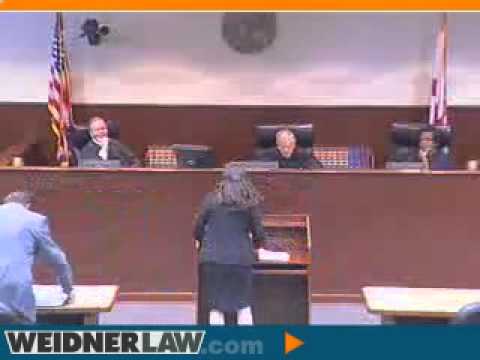
This is the recording of the actual oral argument, posted on the channel. What lawyers and judges say at argument is not the ruling; the decision is summarized above.
🔏 A Hidden Fee That Surfaces Only When You Build: Must the Broker Disclose It? Ch. 475
Go Deeper
- Vacant Lot Buyers Lose Nondisclosure Case Over Hidden Muck (Eiman v. Sullivan)
- Can a Broker Put a Lien on the Property, Not Just the Proceeds? (J. Milton Dadeland v. Abala)
- Hidden Buyer, $13M Sale: A Seller's Fraud Claim Gets Revived (Puleo v. Cohen)
Frequently Asked Questions
Does a Florida real estate agent have to disclose hidden fees?
A broker in the sale must disclose known facts that materially affect the value of residential property and are not readily observable to the buyer under section 475.278. Whether a particular fee qualifies depends on the facts. In Van Arsdale, the buyer’s claims against the brokers in his sale stayed in the trial court; only the claims against the community’s realty company were decided on appeal.
Can I sue a real estate broker under FDUTPA in Florida?
Sometimes. Section 501.212(6) exempts real estate acts by licensees that violate section 475.42 or section 475.626, which are left to the Florida Real Estate Commission and the license law. In Van Arsdale, the trial court applied that exemption to the community’s realty company, and the Second District affirmed without an opinion.
Can I sue someone for conspiracy if they were not part of my real estate deal?
Only if you can prove an agreement to commit an unlawful act, an act in furtherance of it, and damage, tied to an underlying wrong. In Van Arsdale, the realty company won summary judgment on the conspiracy count along with the FDUTPA count, and that ruling was affirmed.
What should I ask before buying a lot that requires a preferred builder?
Ask which builders are approved, what they charge per square foot, and whether they pay any fee to the developer, its realty company or the association. Get it in writing before your inspection or due diligence period ends. In Van Arsdale, the buyer said he learned the builder fee was 7% only when a builder priced his house.
Talk to a Florida real estate litigation lawyer
Weidner Law, P.A. handles Florida real estate disputes, title problems and appeals from St. Petersburg. If you need a real estate litigation lawyer, call (727) 954-8752 or email weidner@mattweidnerlaw.com.
Read the law yourself, free: every Florida statute and court rule is on floridarules.net.
This article is general information about Florida law, not legal advice about your situation. Reading it, watching the videos, or contacting the firm does not create an attorney-client relationship. Every case turns on its own facts, and past results do not guarantee a similar outcome. The hiring of a lawyer is an important decision that should not be based solely upon advertisements.
