

In short: The Third District revived the seller’s fraudulent misrepresentation and civil conspiracy claims. Under Florida law, fraud requires reliance, not justifiable reliance, and the seller had no duty to investigate. Settling with the brokers did not release the other alleged conspirators. The court affirmed the dismissal of the negligence and fiduciary duty claims against the closing agent.
The Facts
In 2019, Marc Puleo sold his Miami Beach home for $13 million to Spanish Rose, LLC. According to the opinion, he was led to believe the buyer was a woman who planned to live there with her family, so he agreed to sell it furnished. The record showed she was a straw buyer. Her domestic partner, a developer named Edmund Irvine, signed her name to the contract and later to an assignment to Spanish Rose, a company he formed shortly before closing. He planned to tear the house down and resell the land. Because the contract was freely assignable, the seller’s signature was not needed for the assignment.
Less than two weeks before closing, Puleo received the title commitment and deed showing Spanish Rose as buyer. Two days before closing, a draft closing statement named Irvine as its authorized member for the first time. The sale closed. Within two months the property was relisted for about $16.5 million and then for nearly $20 million. It resold within a year for $15,977,700.
Puleo sued for about $4.49 million, claiming he would not have dropped his $18 million asking price had he known the truth. The trial court found evidence of misrepresentation but ruled he had not shown justifiable reliance, materiality, or damages. It entered summary judgment on fraud and conspiracy. Puleo settled with the broker defendants and appealed the judgments for the buyer and the title and closing agent.
The Decision
The Third District reversed on fraudulent misrepresentation and conspiracy. Under the Florida Supreme Court’s decision in Butler v. Yusem, justifiable reliance is not an element of fraudulent misrepresentation. A person may rely on a statement even if an investigation would have exposed it, unless he knows it is false or its falsity is obvious. Puleo had no duty to dig further. Once he learned of the assignment, backing out could have exposed him to a specific performance suit and fees, and nothing showed he knew of the redevelopment plan. The later mortgage appraisals created, at most, a factual dispute about damages.
Because the fraud claim survives, so does the conspiracy claim. Settling with the brokers did not bar claims against the other alleged co-conspirators. A settlement binds only its parties and releases only the claims it covers. The court summarily affirmed judgment for the closing agent and title company on the negligence and breach of fiduciary duty counts.
The Law
Fraudulent misrepresentation in Florida has four elements: a false statement of material fact, the speaker’s knowledge that it is false, intent that the listener act on it, and injury to the person who relied on it. Since Butler v. Yusem, 44 So. 3d 102 (Fla. 2010), the person who relied does not have to show the reliance was reasonable. Summary judgment is rarely proper in fraud cases because they turn on intent and the full circumstances of the deal.
Civil conspiracy requires an agreement to commit an unlawful act and an overt act in furtherance that causes damage. Each conspirator need only know of the scheme and help in some way. Summary judgment is decided under amended Florida Rule of Civil Procedure 1.510, which asks whether a reasonable jury could find for the non-moving party.
Lessons
- Sellers: a freely assignable contract lets the buyer swap in an LLC without your signature. If the buyer’s identity matters to you, negotiate assignment limits.
- In Florida fraud cases, the defense “you should have checked” is weak. You may rely on what you are told unless you know it is false or its falsity is obvious.
- Settling with some defendants does not release the others unless the agreement says so. Draft releases carefully.
- Negligence and fiduciary duty claims against a closing agent are a different matter, and here they failed.
Source: Puleo v. Cohen, No. 3D24-0586 — Fla. 3d DCA (March 11, 2026).
Watch the Oral Argument
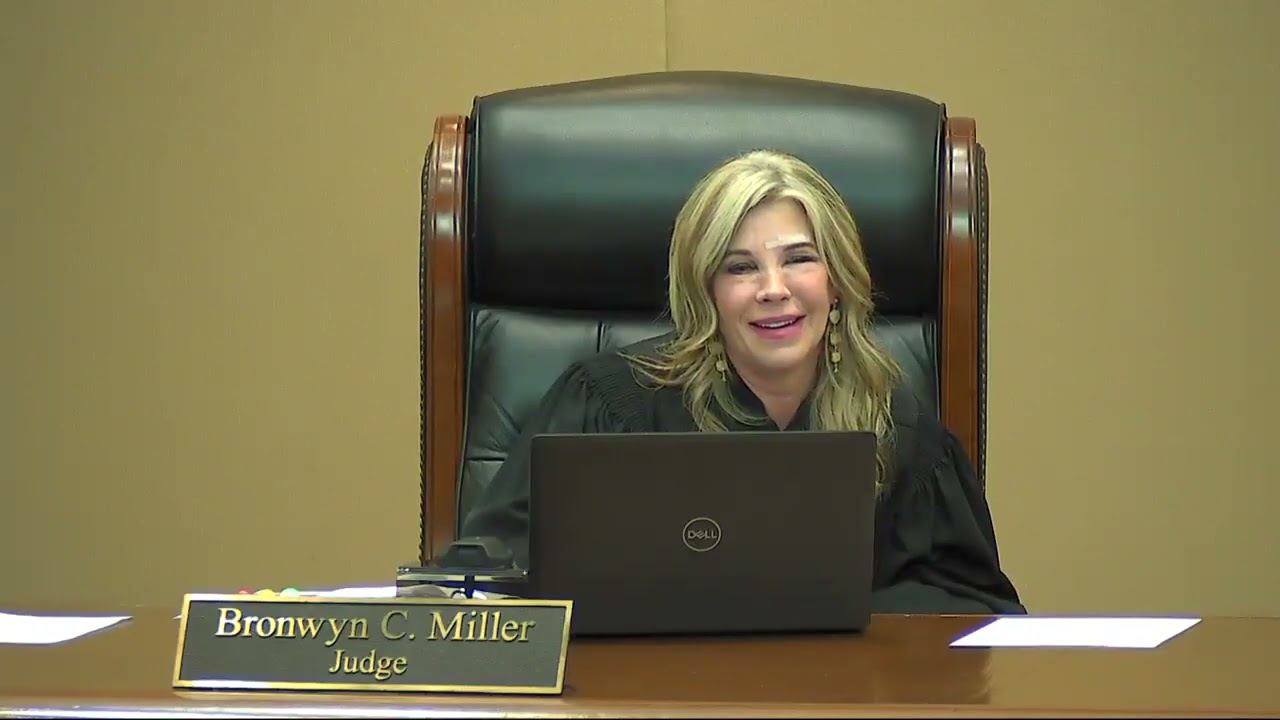
This is the recording of the actual oral argument, posted on the channel. What lawyers and judges say at argument is not the ruling; the decision is summarized above.
Is Justifiable Reliance Required When a Seller Is Fraudulently Induced to Sell Property? | Puleo v. Cohen
Go Deeper
- Deed Fraud in Florida: How Homes Are Stolen on Paper and How to Get Them Back
- Florida's Summary Judgment Rule: How Rule 1.510 Ends Cases Without a Trial
Frequently Asked Questions
Do you have to prove justifiable reliance for fraud in Florida?
No. Under Butler v. Yusem (Fla. 2010), fraudulent misrepresentation requires reliance, not justifiable reliance. You may rely on a statement even if you could have discovered it was false by investigating, unless you knew it was false or its falsity was obvious. Puleo v. Cohen applied this rule to revive a home seller’s claim.
Can a buyer assign a Florida real estate contract without the seller's consent?
If the contract says it is freely assignable, yes. In Puleo, the buyer assigned the contract to a newly formed LLC, and the seller’s signature was not needed. If the buyer’s identity matters to you, negotiate a clause that bars assignment or requires your consent.
Does settling with one defendant release the other conspirators?
Not automatically. A settlement binds only the parties to it, and a release covers only the claims it contemplated. In Puleo, settling with the brokers did not bar the seller’s conspiracy claim against the buyer and the other alleged co-conspirators, which now goes back to the trial court.
Can a seller sue if the buyer resells the home for more?
A higher resale price alone is not fraud. A seller needs proof of a false statement of material fact, knowledge, intent, reliance, and damage. In Puleo, the alleged lies about who was buying and why, plus a quick resale for nearly $3 million more, were enough to reach a jury.
Talk to a Florida real estate litigation lawyer
Weidner Law, P.A. handles Florida real estate disputes, title problems and appeals from St. Petersburg. If you need a real estate litigation lawyer, call (727) 954-8752 or email weidner@mattweidnerlaw.com.
Read the law yourself, free: every Florida statute and court rule is on floridarules.net.
This article is general information about Florida law, not legal advice about your situation. Reading it, watching the videos, or contacting the firm does not create an attorney-client relationship. Every case turns on its own facts, and past results do not guarantee a similar outcome. The hiring of a lawyer is an important decision that should not be based solely upon advertisements.
