
In short: Yes, if the contract expressly allows it. The Commercial Real Estate Sales Commission Lien Act gives brokers a lien on the owner’s net sale proceeds, but the Third District held that remedy is not exclusive. In J. Milton Dadeland, LLC v. Abala, Inc., decided July 30, 2014, the court affirmed a judgment enforcing a broker’s lien on an apartment complex where the commission agreement gave the broker the right to place a lien on the property.
The Facts
The owner of a Miami-Dade apartment complex signed a commission agreement with a broker, Abala, Inc. The agreement promised a 6% commission if the property sold to certain prospects and said the broker had the right to place a lien on the property for the commission.
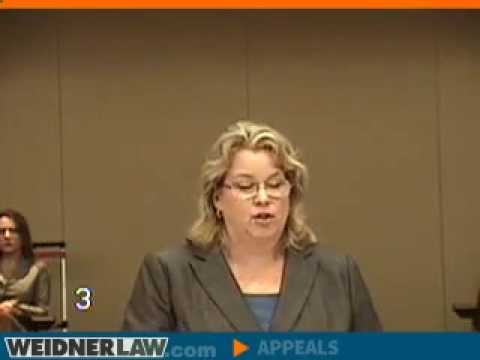
The property was sold to J. Milton Dadeland, LLC in a short sale for about $25,000,000. Before closing, the broker recorded its lien. The buyer sued to remove it, settled that dispute for a $500,000 price reduction and a $70,000 payment, and closed. After closing, the buyer sued to cancel the lien. After a bench trial, the trial court ruled for the broker, and the buyer appealed. At oral argument the parties pressed these points:
- The buyer argued that the lien statute limits a broker to a lien on net proceeds, that the brokerage ethics statute is not a source of lien rights, that the trial court’s findings rested on hearsay, and that the broker was not the procuring cause of the sale.
- The broker argued it relied on the contract, not a statute, that the Lien Act says nothing about being exclusive, and that a proceeds-only lien would be worthless in a short sale that produces no net proceeds.
- The panel asked whether an owner who has never had a lien put on the property can challenge one, and whether a seller can agree to let a broker lien property the seller is selling.
The Decision
The Third District affirmed in a written opinion on July 30, 2014. The appeal was consolidated with a related appeal, No. 3D13-844.
The court held that the Lien Act’s remedy is not exclusive. The Act does not say it is, and reading it that way would leave a broker with no security in a short sale, where there are no net proceeds. The court also held that the commission agreement, which expressly gave the broker the right to place a lien on the property, made the lien proper. Notice was not in doubt because the lien was recorded and the buyer litigated over it before closing and won a price reduction. The court affirmed the remaining issues without discussion. The opinion does not address the standing argument featured in the video.
The Law
The Florida Commercial Real Estate Sales Commission Lien Act is Part IV of chapter 475, beginning with the definitions in section 475.701. Under section 475.703(1), a broker who earns a commission under a brokerage agreement has a lien on the owner’s net proceeds from the sale of commercial real estate. The lien attaches to the net proceeds only, not to the real property. Section 475.703(5) requires a written disclosure in the brokerage agreement before a broker can enforce that statutory lien.
Section 475.42(1) lists acts that subject a licensee to discipline. One paragraph, cited in the opinion as section 475.42(1)(j), bars a broker from recording a lien it knows to be false to collect a commission. Its last sentence says nothing in that paragraph prohibits placing a lien on property where expressly permitted by contractual agreement. The court relied on that sentence and on earlier cases enforcing contractual brokerage liens.
Current law (2026): the false-lien provision now appears at section 475.42(1)(i) in the current statutes.
Lessons
- A broker who wants security on a commercial deal, especially a short sale, should get express written permission to lien the property itself.
- Sellers should read commission agreements closely. A lien clause can cloud title and hold up a closing.
- Buyers should run title well before closing. Here the lien surfaced days before the scheduled closing and forced a renegotiation.
- The statutory proceeds lien and a contractual property lien can exist side by side; one does not cancel the other.
Source: J. Milton Dadeland, LLC v. Abala, Inc., Nos. 3D13-2624 & 3D13-844 (Fla. 3d DCA July 30, 2014) (affirmed); ACIS docket.
Watch the Oral Argument
This is the recording of the actual oral argument, posted on the channel. What lawyers and judges say at argument is not the ruling; the decision is summarized above.
🏗️ A Brokerage Lien Recorded Two Weeks Before Closing — Who Has Standing?
Go Deeper
- Realtor Who Skipped Mediation Still Gets Arbitration (Patterson v. Melman)
- Seller Who Never Delivered the Deed Still Had Standing to Fight Judgment Liens (Zhao v. Premier American Bank)
- A $10 Million Land Deal That Never Closed: Buyer Loses on Appeal (Pine Grove v. Robert Diesel)
Frequently Asked Questions
Can a real estate broker put a lien on my property for a commission in Florida?
On commercial property, the statute gives the broker a lien only on the owner’s net sale proceeds. But in J. Milton Dadeland v. Abala, the Third District held a broker could also lien the property itself because the commission agreement expressly allowed it.
Is the Commercial Real Estate Sales Commission Lien Act a broker's only remedy?
No. The Third District held the Act’s remedy is not exclusive. Reading it as exclusive would leave a broker with nothing in a short sale, where there are no net proceeds.
What happens if a broker records a lien right before closing?
The lien clouds title, and the buyer and seller have to deal with it before or after closing. Here the buyer negotiated a $500,000 price reduction and a $70,000 payment, closed, and then lost its suit to cancel the lien.
Can a broker be disciplined for recording a lien?
Yes, if the broker records a lien it knows is false. Section 475.42(1) makes that a disciplinary violation, but it expressly allows a lien where a contract permits one.
Talk to a Florida real estate litigation lawyer
Weidner Law, P.A. handles Florida real estate disputes, title problems and appeals from St. Petersburg. If you need a real estate litigation lawyer, call (727) 954-8752 or email weidner@mattweidnerlaw.com.
Read the law yourself, free: every Florida statute and court rule is on floridarules.net.
This article is general information about Florida law, not legal advice about your situation. Reading it, watching the videos, or contacting the firm does not create an attorney-client relationship. Every case turns on its own facts, and past results do not guarantee a similar outcome. The hiring of a lawyer is an important decision that should not be based solely upon advertisements.
