

In short: A developer agreed to buy land for about $10 million, paying $2 million at closing plus $10,000 for each of 797 planned home lots, but the deal never closed. The trial court granted summary judgment against the buyer, Pine Grove ADG Holdings. The Fifth DCA affirmed without a written opinion in September 2025.
The Facts
Because the Fifth District affirmed without an opinion, the facts here come from the arguments described on appeal, not from findings in a written decision. Pine Grove ADG Holdings, LLC, a developer, contracted to buy land from Robert Diesel Service, Inc. The price was structured at roughly $10 million: $2 million due at closing, plus $10,000 per home on 797 planned lots, paid as the project developed.
The sale did not close, and the parties ended up in litigation in Duval County circuit court over who was responsible for the failure and what followed from it. The trial court granted summary judgment against Pine Grove, the buyer, and Pine Grove appealed.
The Decision
On September 22, 2025, the Fifth District issued a per curiam affirmance (PCA) with no written opinion, leaving the summary judgment against Pine Grove in place. A PCA resolves only this dispute, does not explain the court’s reasoning and is not precedent for other cases. Anyone reading this case should not treat it as a rule about how land contracts are interpreted generally.
The Law
Real estate contracts are enforced according to their written terms, and Florida requires contracts for the sale of land to be in writing and signed under the statute of frauds, section 725.01. Whether a party breached usually turns on the contract’s conditions, deadlines and whether time was of the essence, as well as which side was ready, willing and able to close. Remedies may include keeping the deposit as liquidated damages, damages or specific performance, depending on what the contract allows.
Summary judgment under Florida Rule of Civil Procedure 1.510, which since 2021 follows the federal standard, lets a court decide a contract case without a trial when the material facts are undisputed and the contract’s meaning is clear.
Lessons
- Large land deals with deferred, per-lot payments should spell out exactly what each side must do before closing, and what happens if a condition is not met.
- Buyers relying on approvals, financing or entitlements should build those in as express conditions with clear deadlines and extension rights.
- When the contract language is clear, a dispute over a failed closing can be decided on summary judgment, without a trial.
- A PCA ends the appeal but sets no precedent; the result here depended on this contract and this record.
Watch the Oral Argument
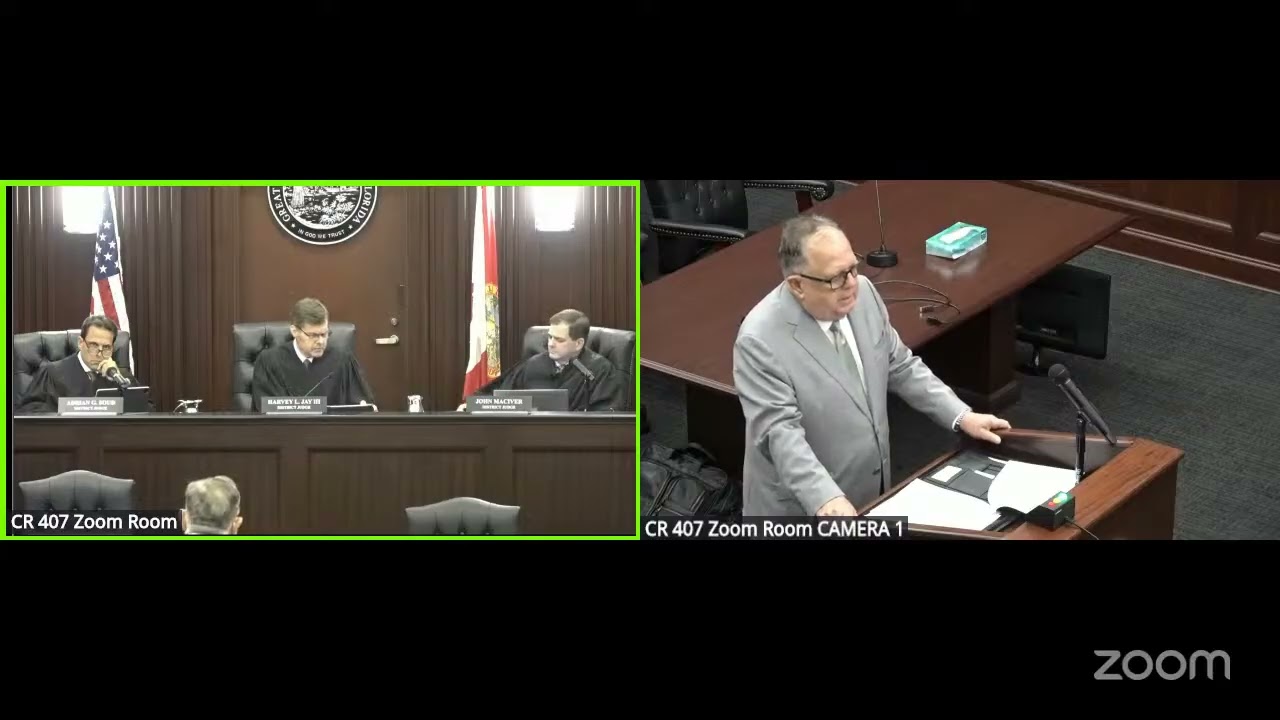
This is the recording of the actual oral argument, posted on the channel. What lawyers and judges say at argument is not the ruling; the decision is summarized above.
$10M Land Deal Fails — Who's to Blame? | Pine Grove v. Robert's Diesel, 5D24-1759
Go Deeper
- Buyer Missed Drop-Dead Closing, Blamed a $50 Alarm Fee (Wilton West II)
- Seller Lost a Time-of-the-Essence Fight Over a Missed Closing (M & S v. Wynwood Propco)
- A Contract Remedy That Wasn't Exclusive: Specific Performance Survives (Regents Park v. KAI)
Frequently Asked Questions
What happens when a Florida real estate deal fails to close?
It depends on the contract. The court looks at which party failed to perform its obligations, whether deadlines were met, and what remedies the contract provides. Common outcomes include the seller keeping the deposit, an award of damages, or, in some cases, an order forcing the sale to close through specific performance.
Can a land contract dispute be decided without a trial?
Yes. If the contract terms are unambiguous and the key facts are undisputed, a Florida court can grant summary judgment under Rule 1.510. That is what happened at the trial level in Pine Grove, and the appellate court affirmed.
What does it mean when a Florida appellate court issues a PCA?
A PCA, or per curiam affirmance, means the appellate court affirmed the trial court’s decision without a written explanation. It ends the appeal for the losing party in most cases and cannot be cited as precedent for other disputes.
How can a developer protect itself in a land purchase contract?
Include clear contingencies for zoning, approvals, financing and due diligence, with written deadlines and a way to extend or exit. Spell out deferred payment obligations, such as per-lot fees, and what happens to the deposit if the deal does not close. Have the contract reviewed before signing, not after a dispute arises.
Talk to a Florida real estate litigation lawyer
Weidner Law, P.A. handles Florida real estate disputes, contracts, closings and appeals from St. Petersburg. If you need a real estate litigation lawyer, call (727) 954-8752 or email weidner@mattweidnerlaw.com.
Read the law yourself, free: every Florida statute and court rule is on floridarules.net.
This article is general information about Florida law, not legal advice about your situation. Reading it, watching the videos, or contacting the firm does not create an attorney-client relationship. Every case turns on its own facts, and past results do not guarantee a similar outcome. The hiring of a lawyer is an important decision that should not be based solely upon advertisements.
