

In short: The buyer lost. Wilton West II, under contract for a Wilton Manors property worth over $2 million, could not fund on the drop-dead closing date and blamed the seller’s unpaid alarm fees of about $50. The trial court denied specific performance but returned half the $180,000 deposit. The Fourth DCA affirmed without opinion on December 31, 2025.
The Facts
Because the Fourth District affirmed without an opinion, what follows is what the record and the arguments showed, as described for the oral argument, not appellate findings.
Wilton West II, LLC was the buyer under a contract to purchase a Wilton Manors property worth more than $2 million from 1017 NW 30th Court, LLC. The contract had a drop-dead closing date, and the buyer could not fund on that date. Meanwhile the seller had not cleared some open alarm-related fees, about $50, and the seller’s principal sent the buyer a heated email that morning. The seller terminated the contract and kept the $180,000 deposit.
The buyer sued in Broward circuit court for specific performance. It argued the seller’s email was an anticipatory repudiation, that title was not clear of code issues, and that the trial court’s later order returning half the deposit implied fault on the seller’s side. The seller answered that the code case had closed weeks before closing and that the fees were trivial and had been waived. The trial court (Judge Mark Alan Speiser) denied specific performance but ordered half of the deposit, $90,000, returned to the buyer.
The Decision
The Fourth District affirmed per curiam without opinion on December 31, 2025. The trial court’s judgment stood: no specific performance for the buyer, and the deposit split in half. The court gave no reasons. It may have deferred to the trial judge’s findings that the buyer was not ready to close and that the fees were immaterial, rejected the repudiation theory, or found the deposit ruling did not compel a different result.
A PCA is not precedent. It does not decide how Florida courts should treat a small open municipal charge at closing or what a heated email does to a contract.
The Law
Specific performance is an equitable order forcing a party to complete a sale. The party seeking it must show a valid written contract (see section 725.01) and that it was ready, willing and able to perform, which usually means having the money to close on the required date. A buyer who cannot fund generally cannot force the sale, unless the seller’s conduct excused performance.
Anticipatory repudiation excuses the other side only when a party clearly and unequivocally refuses to perform before performance is due; angry words alone usually are not enough. And not every open item defeats a closing. A trivial charge that can be paid from the seller’s proceeds at closing is typically not a material title defect, while a failure to deliver what the contract requires within the cure period can be. Trial findings on these questions are hard to overturn on appeal.
Lessons
- Buyers: have funds confirmed before a drop-dead date. Lack of funding is the hardest problem to blame on the seller.
- A heated email is not the same as a clear refusal to close. Anticipatory repudiation requires an unequivocal refusal.
- Small municipal fees are usually paid at closing from the seller’s proceeds and rarely justify walking away.
- Sellers: clear even trivial open items early to remove arguments, and keep communications calm and in writing.
Source: Wilton West II, LLC v. 1017 NW 30th Court, LLC, No. 4D2024-2112 — Fla. 4th DCA (December 31, 2025).
Watch the Oral Argument
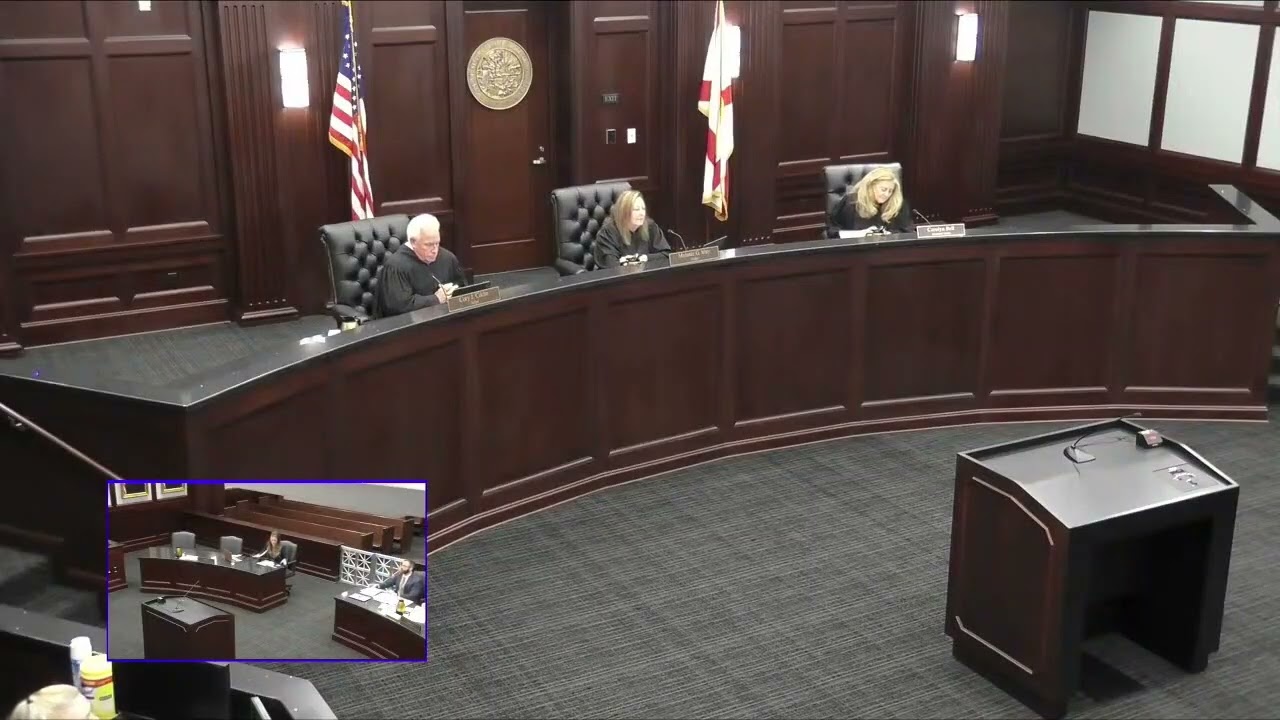
This is the recording of the actual oral argument, posted on the channel. What lawyers and judges say at argument is not the ruling; the decision is summarized above.
$50 False-Alarm Fee Sinks a $2M Deal? Specific Performance | Wilton West II, 4D2024-2112
Go Deeper
- How Appeals Work in Florida: The 30-Day Deadline, Costs, and What a PCA Means
- Can You Sell Your House During Foreclosure in Florida? Yes, and Often You Should
Frequently Asked Questions
Can a buyer get specific performance if it could not fund at closing?
Generally no. A buyer seeking specific performance must show it was ready, willing and able to close, which usually means having the money. In Wilton West II, the buyer could not fund on the drop-dead date; the trial court denied specific performance, and the Fourth DCA affirmed without opinion.
Does a small unpaid municipal fee make title unmarketable in Florida?
Usually not. Minor charges like alarm or permit fees are commonly paid from the seller’s proceeds at closing and are rarely treated as material title defects. The answer depends on the contract’s title and cure provisions and the trial evidence.
What is anticipatory repudiation in a Florida real estate contract?
It is a clear, unequivocal statement or act showing a party will not perform before performance is due. It can excuse the other side’s performance. Heated or ambiguous messages usually do not qualify; courts look for a definite refusal to close.
What does a per curiam affirmance (PCA) mean in Florida?
It means the appellate court upheld the trial court’s judgment with the single word affirmed and no opinion. The losing side gets no explanation, the ruling below stands, and the decision is not precedent for any legal point. In Wilton West II v. 1017 NW 30th Court, the PCA left the trial court’s result in place without endorsing any particular reason for it.
Talk to a Florida real estate litigation lawyer
Weidner Law, P.A. handles Florida real estate disputes, title problems and appeals from St. Petersburg. If you need a real estate litigation lawyer, call (727) 954-8752 or email weidner@mattweidnerlaw.com.
Read the law yourself, free: every Florida statute and court rule is on floridarules.net.
This article is general information about Florida law, not legal advice about your situation. Reading it, watching the videos, or contacting the firm does not create an attorney-client relationship. Every case turns on its own facts, and past results do not guarantee a similar outcome. The hiring of a lawyer is an important decision that should not be based solely upon advertisements.
