
In short: In Gregan Construction Corp. v. Arencibia, a contractor appealed a Miami-Dade judgment entered after a bench trial over a driveway and perimeter fence job. The judgment awarded the homeowners the cost to repair the driveway and rejected the contractor’s construction lien. The Third District affirmed without a written opinion on November 6, 2013.
The Facts
Gregan Construction Corp. worked for homeowner Rene Arencibia on a perimeter fence and gate project and supervised a new driveway at a home in Coral Gables. The relationship broke down, the owners sued over the driveway, and Gregan recorded a claim of lien. After a five-day bench trial, the Miami-Dade circuit court awarded the owners damages to repair the driveway and, according to both sides at argument, found the lien untimely and fraudulent.
Gregan appealed. The points below are what the lawyers argued at oral argument, not findings by the appellate court.
- Gregan argued the owners got a windfall: about $23,000 in damages for a driveway that worked, met city code and was in daily use, based on finish terms it said were never contracted for.
- Gregan argued the lien was timely because work orders and permit meetings continued into August and September 2011, and that an error in the notary date was a scrivener’s error corrected by amended liens.
- Gregan argued the original written contract made later change orders part of the agreement and provided for a flat rate plus 15% overhead, so profit and overhead could be included in the lien.
- The owners argued the damages were the proven cost to repair a driveway not delivered as agreed, a fact question for the trial judge.
- The owners argued the last work was in July 2011 and the lien was recorded October 28, more than 90 days later, and that the lien was fraudulent because it charged for items the owners paid for directly, items never provided, and separate profit and overhead line items.
The Decision
The Third District affirmed on November 6, 2013, in a per curiam affirmance with no written opinion. The mandate issued December 9, 2013.
A per curiam affirmance decides only this case. It leaves the trial court’s judgment in place but does not tell us which of the trial court’s findings the appellate court relied on, and it is not precedent on whether profit and overhead can be included in a construction lien.
The Law
Deadline. Under section 713.08(5), a claim of lien must be recorded no later than 90 days after the lienor’s final furnishing of labor, services or materials. Whether later activity counts as “final furnishing” is often the fight, as it was here, and it is usually a question of fact.
Fraudulent liens. Section 713.31(2) defines a fraudulent lien as one where the lienor willfully exaggerated the amount, willfully included work not performed or materials not furnished, or prepared the claim with such willful and gross negligence as to amount to a willful exaggeration. A minor mistake or a good faith dispute over the amount is not enough. A fraudulent lien is a complete defense to enforcement, and the owner may recover damages, attorney’s fees and costs, and punitive damages up to the difference between the amount claimed and the amount actually due.
Standard of review. After a bench trial, the trial judge’s findings of fact are reviewed for competent, substantial evidence, while contract interpretation and legal conclusions are reviewed de novo. Gregan tried to frame its issues as contract construction; the owners framed them as findings of fact.
Lessons
- Count the 90 days from the last real work on the job. Meetings, paperwork and punch-list activity may not extend the deadline.
- Do not put anything in a claim of lien you cannot prove you furnished. Charging for items the owner paid for directly is the kind of entry that leads to a fraudulent lien finding.
- A fraudulent lien finding can cost a contractor the lien entirely and expose it to fees and punitive damages under section 713.31.
- Write down change orders and how pricing works, including overhead and profit, and keep the documents consistent.
- Appeals from bench trials are hard to win when the issues turn on credibility and fact findings.
Watch the Oral Argument
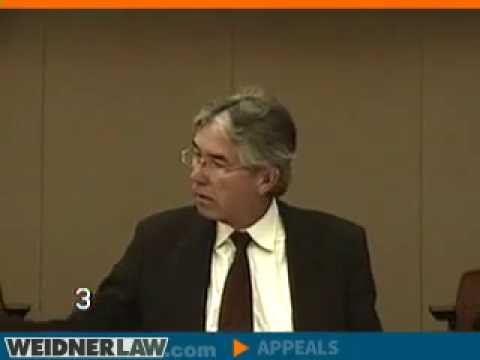
This is the recording of the actual oral argument, posted on the channel. What lawyers and judges say at argument is not the ruling; the decision is summarized above.
🎯 Timely or Fraudulent Construction Lien? | Gregan Construction v. Arencibia, 3D13-0578
Go Deeper
- Fraudulent Construction Lien and FDUTPA Claims on Appeal (Riverfront v. Wisenbaker)
- Unlicensed Contractor's Lien and a Sanctions Award Reversed (MacAlister v. Bevis)
- Oral Change Orders on a Fisher Island Renovation: The Owner Paid, So the Owner Waived (Moscato v. Mutchnik Construction)
Frequently Asked Questions
How long does a contractor have to file a construction lien in Florida?
The claim of lien must be recorded no later than 90 days after the lienor’s final furnishing of labor, services or materials under section 713.08(5). In Gregan, the owners argued the last work was in July and the lien was recorded in late October, too late.
What makes a construction lien fraudulent in Florida?
Under section 713.31, a lien is fraudulent if the lienor willfully exaggerated the amount, included work or materials not furnished, or prepared it with gross negligence amounting to willful exaggeration. A minor mistake or a good faith dispute over the amount is not fraud.
What can a homeowner recover for a fraudulent lien?
The lien becomes unenforceable, and the owner can recover damages, attorney’s fees and costs, and punitive damages up to the difference between the amount claimed and the amount actually due. The claim can be brought as a counterclaim in the lien foreclosure.
Can a contractor include profit and overhead in a lien?
The parties in Gregan disputed this. The owners argued profit and overhead can be recovered in a contract claim but not liened as separate line items, while the contractor argued the written contract allowed them. The affirmance without opinion did not resolve that question.
Talk to a Florida real estate litigation lawyer
Weidner Law, P.A. handles Florida real estate disputes, title problems and appeals from St. Petersburg. If you need a real estate litigation lawyer, call (727) 954-8752 or email weidner@mattweidnerlaw.com.
Read the law yourself, free: every Florida statute and court rule is on floridarules.net.
This article is general information about Florida law, not legal advice about your situation. Reading it, watching the videos, or contacting the firm does not create an attorney-client relationship. Every case turns on its own facts, and past results do not guarantee a similar outcome. The hiring of a lawyer is an important decision that should not be based solely upon advertisements.
