
In short: Homeowners sued an unlicensed contractor for malicious prosecution after he pursued a lien he knew was invalid. They lost at trial, and the court sanctioned their attorney about $75,000 under section 57.105. The Second DCA reversed in 2015: the claim had factual support, so it was not frivolous.
The Facts
In 2004 Michael Bevis, who was not a licensed contractor, agreed to build a home for James and Kathleen DeRosa. When disputes arose, a lien was recorded in the name of his company, Bevis Construction, Inc., and the company sued the DeRosas to foreclose it. During that suit, state regulators investigated Bevis for unlicensed contracting, issued a cease-and-desist order, and required the lien to be released. The lien was released, but the company kept prosecuting its case. That case was eventually dismissed.
The DeRosas then sued Bevis and his company for malicious prosecution. A jury found the company had not acted maliciously. The trial court then ordered the DeRosas’ attorney, Colleen MacAlister, to pay $75,771.40 in fees and costs under section 57.105, finding the claim had no factual or legal support. She appealed.
The Decision
The Second District reversed. A claim is supported by material facts if the party has admissible evidence that would prove the point if believed. Here there was evidence that the company pursued a lien it knew was invalid and already released, that Bevis was unlicensed and knew it, and that permits were pulled improperly. That was enough to show lack of probable cause and to infer legal malice. Bevis’s denials created a jury question, not a frivolous claim.
The court added that invasion of a legal right supports at least nominal damages, and that the trial court’s earlier rulings allowing punitive damages and denying summary judgment showed the claim had support. Losing at trial does not make a claim sanctionable.
The Law
Under section 489.128, Florida Statutes, a contract entered into by an unlicensed contractor is unenforceable by that contractor in law or equity, and no lien or bond claim exists in the contractor’s favor for work under that contract. Whether a contractor is unlicensed is measured as of the contract date. A lien recorded or pursued in the face of that statute can expose the lienor to claims such as fraudulent lien under section 713.31, Florida Statutes or malicious prosecution.
section 57.105, Florida Statutes(1) requires fees when a party or attorney knew or should have known a claim was unsupported by material facts or existing law. Courts apply it with restraint so it does not chill legitimate claims; a claim that is arguably supportable is not sanctionable.
Current law (2026): s. 489.128, Fla. Stat. (2026): unlicensed contractor’s contract unenforceable by the contractor and no lien or bond claim exists for that work; licensure measured at contract date (489.128(1)(c)).
Lessons
- An unlicensed contractor cannot enforce the contract or hold a valid lien for that work under section 489.128.
- Homeowners facing such a lien have remedies, including fraudulent-lien and malicious-prosecution claims, but they must prove each element.
- Losing at trial does not make a claim frivolous. Section 57.105 targets claims with no factual or legal support from the start.
- Lawyers should document the evidence supporting each element when a claim is filed, in case sanctions are sought later.
Watch the Oral Argument
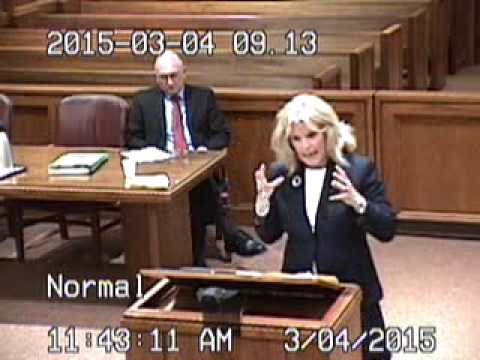
This is the recording of the actual oral argument, posted on the channel. What lawyers and judges say at argument is not the ruling; the decision is summarized above.
Unlicensed Contractor, a Lien Suit, and a §57.105 Sanction | MacAlister v. Bevis Construction, 2D14-1549
Go Deeper
- Oral Change Orders on a Fisher Island Renovation (Moscato v. Mutchnik)
- A Landlord's Renovation Without Permits and the Tenant's Building-Code Claim (Comptech)
Frequently Asked Questions
Can an unlicensed contractor file a lien in Florida?
No valid lien exists for an unlicensed contractor. Section 489.128 makes contracts by unlicensed contractors unenforceable by them and says no lien or bond claim exists in their favor for that work. Licensing is measured as of the contract date, so getting licensed later does not cure the problem for that job.
What can a homeowner do about an invalid construction lien?
Options include demanding release, filing a notice of contest or an order to show cause to shorten the lien’s life, and suing for a fraudulent lien under section 713.31 if the lienor knowingly overstated or had no right to the lien. Malicious prosecution may be available if a baseless foreclosure suit was pursued.
When can a Florida court sanction a lawyer under 57.105?
When the lawyer knew or should have known a claim was not supported by material facts or by then-existing law. A claim backed by admissible evidence that would establish the facts if believed is not frivolous, even if the jury ultimately rejects it. Courts apply the statute with restraint.
What are the elements of malicious prosecution in Florida?
The plaintiff must show a prior proceeding was started or continued by the defendant, ended in the plaintiff’s favor, lacked probable cause, was pursued with malice, and caused damages. Legal malice can be inferred from lack of probable cause, and nominal damages can support the claim.
Talk to a Florida construction and lien dispute lawyer
Weidner Law, P.A. handles construction lien, contractor and building defect disputes from St. Petersburg. If you need a real estate litigation lawyer, call (727) 954-8752 or email weidner@mattweidnerlaw.com.
Read the law yourself, free: every Florida statute and court rule is on floridarules.net.
This article is general information about Florida law, not legal advice about your situation. Reading it, watching the videos, or contacting the firm does not create an attorney-client relationship. Every case turns on its own facts, and past results do not guarantee a similar outcome. The hiring of a lawyer is an important decision that should not be based solely upon advertisements.
