
In short: A son sued to remove his parents from a home deeded to him. After two years of missed discovery deadlines, sanctions and contempt, the trial court dismissed his case with prejudice, struck his pleadings and defaulted him on the parents’ counterclaims. The Third DCA affirmed in 2017 without a written opinion.
The Facts
The Third District affirmed this case without an opinion, so the facts below come from the record and arguments as described in the oral argument, not from findings by the appellate court.
A son held title to a Miami-Dade property deeded to him in 1999. He sued to eject his elderly parents, who lived there. The parents counterclaimed, arguing they held an oral life estate or a lifetime right to stay. Over more than two years the trial court entered repeated orders compelling the son to produce discovery, including financial documents, and imposed attorney’s fee sanctions.
The son then failed to appear on an order to show cause and was held in contempt. The court dismissed his complaint with prejudice, struck his pleadings and entered defaults against him on the parents’ counterclaims. On appeal he argued the trial court did not properly apply the Kozel factors, did not find willful conduct, and ordered disclosure of private financial information after an earlier certiorari ruling had addressed that issue.
The Decision
On April 26, 2017, a three-judge panel affirmed in a one-word per curiam decision. Because there is no written opinion, the court did not explain which arguments it rejected or why. A PCA leaves the trial court’s dismissal, the stricken pleadings and the defaults in place, and it cannot be cited as precedent for any particular rule.
The Law
Florida Rule of Civil Procedure 1.380(b) lets a trial court strike pleadings, dismiss an action or enter a default when a party disobeys a discovery order. Because dismissal is the harshest sanction, the Florida Supreme Court in Kozel v. Ostendorf, 629 So. 2d 817 (Fla. 1993), requires the trial court to weigh factors such as whether the violation was willful or merely neglectful, whether the client was personally involved, whether the other side was prejudiced, and whether lesser sanctions would work.
Appellate courts review these sanctions for abuse of discretion. A long record of ignored orders, prior lesser sanctions and contempt is the kind of record that usually survives review.
Lessons
- Discovery orders are not suggestions. Repeated noncompliance can end your case, even if you are the plaintiff who holds title.
- Courts usually try lesser sanctions first, such as fee awards. Once those have failed, dismissal becomes much easier to defend on appeal.
- If you believe a discovery request invades privacy, seek a protective order or review promptly; do not simply refuse to comply.
- Ejectment suits against family members often draw counterclaims for life estates or oral agreements. Be ready to litigate both.
Watch the Oral Argument
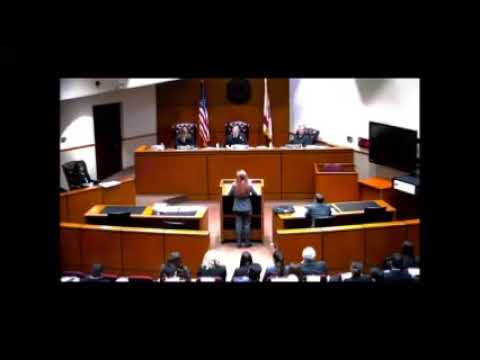
This is the recording of the actual oral argument, posted on the channel. What lawyers and judges say at argument is not the ruling; the decision is summarized above.
Ejectment Suit Dismissed for Discovery Defiance: Too Harsh? | Gomez v. Gomez, 3D16-0511
Go Deeper
- Oral Family Real Estate Deal: Statute of Frauds Doesn't End It (Gomez v. Gomez)
- Why Florida Judges Are Rushing to Close Cases: Rule 1.200 and the New Case Management
- How to Vacate a Default or Final Judgment in Florida: Rule 1.540 and Its Limits
Frequently Asked Questions
Can a Florida court dismiss my case for not answering discovery?
Yes. Rule 1.380(b) allows a court to dismiss a case, strike pleadings or enter a default when a party disobeys a discovery order. Because dismissal is so severe, the court should consider the Kozel factors, including whether the violation was willful and whether lesser sanctions would cure the problem. Repeated violations after warnings make dismissal much more likely.
What are the Kozel factors in Florida?
From Kozel v. Ostendorf (Fla. 1993), they ask whether the attorney’s disobedience was willful or deliberate rather than neglectful, whether the attorney was previously sanctioned, whether the client was personally involved, whether the delay prejudiced the other side, whether there was a reasonable justification, and whether the delay created serious problems of judicial administration.
What does a per curiam affirmance mean?
A per curiam affirmance, or PCA, means the appellate court upheld the trial court’s ruling without a written explanation. The lower court’s judgment stands, but the decision does not set precedent, and in most cases it cannot be reviewed by the Florida Supreme Court because there is no opinion expressing a rule of law.
Can my parents claim a life estate in a house deeded to me?
They can try. A parent may claim a life estate or right to occupy based on an agreement or the circumstances of the transfer. Oral agreements about land face statute of frauds problems, but courts sometimes recognize exceptions. The outcome depends on the documents, the parties’ conduct and the evidence, so the claim must be litigated on its facts.
Talk to a Florida real estate litigation lawyer
Weidner Law, P.A. handles Florida real estate disputes, contracts, closings and appeals from St. Petersburg. If you need a real estate litigation lawyer, call (727) 954-8752 or email weidner@mattweidnerlaw.com.
Read the law yourself, free: every Florida statute and court rule is on floridarules.net.
This article is general information about Florida law, not legal advice about your situation. Reading it, watching the videos, or contacting the firm does not create an attorney-client relationship. Every case turns on its own facts, and past results do not guarantee a similar outcome. The hiring of a lawyer is an important decision that should not be based solely upon advertisements.
