

In short: Owl Construction recorded a construction lien, ignored the owner’s suit to discharge it, and later said service was defective because papers went to a staff member, not its registered agent. The Second DCA reversed the order vacating the default: the return was regular on its face, service was proper, and Owl’s bare denial was not enough.
The Facts
KMG Properties bought a condominium unit while Owl Construction was in the middle of renovations worth roughly $125,000. KMG found problems, including an expired permit that covered only part of the work, code violations and no inspections. KMG fired Owl and hired someone else. Owl recorded a construction lien against the unit.
KMG sued to discharge the lien. Owl did not respond, the clerk entered a default, and the court entered a default judgment. Owl then moved to vacate, saying it was never properly served. The process server had left the papers at the registered agent’s office with a staff member who said the agent was busy but had authorized her to accept them. The registered agent testified she authorized no one and was not served.
The trial court believed the registered agent, found the return of service irregular because it did not use the words “substitute service,” and vacated the default judgment. KMG appealed.
The Decision
The Second District reversed and ordered the default judgment reinstated. First, the return of service was regular on its face. It showed the date and time the papers were received and served, the manner of service, and the name of the person served, which is what the statute requires. Leaving out a label like “substitute service” did not make it defective.
Second, service was proper. A registered agent must keep the office open and keep someone on site during required hours to accept process, and that person does not have to be the agent’s employee. Because the return was regular, service was presumed valid, and Owl had to prove otherwise by clear and convincing evidence. The registered agent’s uncorroborated denial, with nothing from the staff member who took the papers, did not meet that burden.
The Law
Service on a limited liability company is governed by section 48.062, and the duties of a registered agent, including keeping the office open and staffed for service of process, are in section 48.091. What a valid return of service must show is in section 48.21. A return that is regular on its face is presumed valid, and the party attacking it carries a clear-and-convincing burden. A construction lienor who is sued to discharge its lien under section 713.21 must respond like any other defendant.
The Legislature amended section 48.091 in 2025. The current version expressly lets a process server serve an employee of an individual registered agent who is not at the office, even on the first attempt, and lets the server serve an employee present at the office when the registered agent is itself a business entity. Those changes make it even harder to escape a default on the theory that the wrong person at the registered office took the papers.
Current law (2026): Section 48.091 was amended by ch. 2025-13 after this decision. The 2026 text (48.091(4)(b)-(c)) lets a server serve any employee of an individual registered agent who is not at the registered office, even on the first attempt, and serve an employee present at the office when the registered agent is an entity. The opinion applied the 2023 statutes (ch. 2022-190 overhaul effective Jan. 2, 2023).
Lessons
- If you record a construction lien, expect to be sued over it and watch your registered agent’s office for papers.
- A registered agent who tells staff to accept papers, or keeps staff on site for that purpose, cannot easily deny service later.
- Attacking a facially valid return of service takes real evidence, not just a denial from the person who was supposed to be served.
- Owners facing a bad lien should act promptly; a default judgment discharging the lien can stick if the contractor sits on its hands.
Source: KMG Properties, LLC v. Owl Construction, LLC, No. 2D2023-1769 — Fla. 2d DCA (April 24, 2024).
Watch the Oral Argument
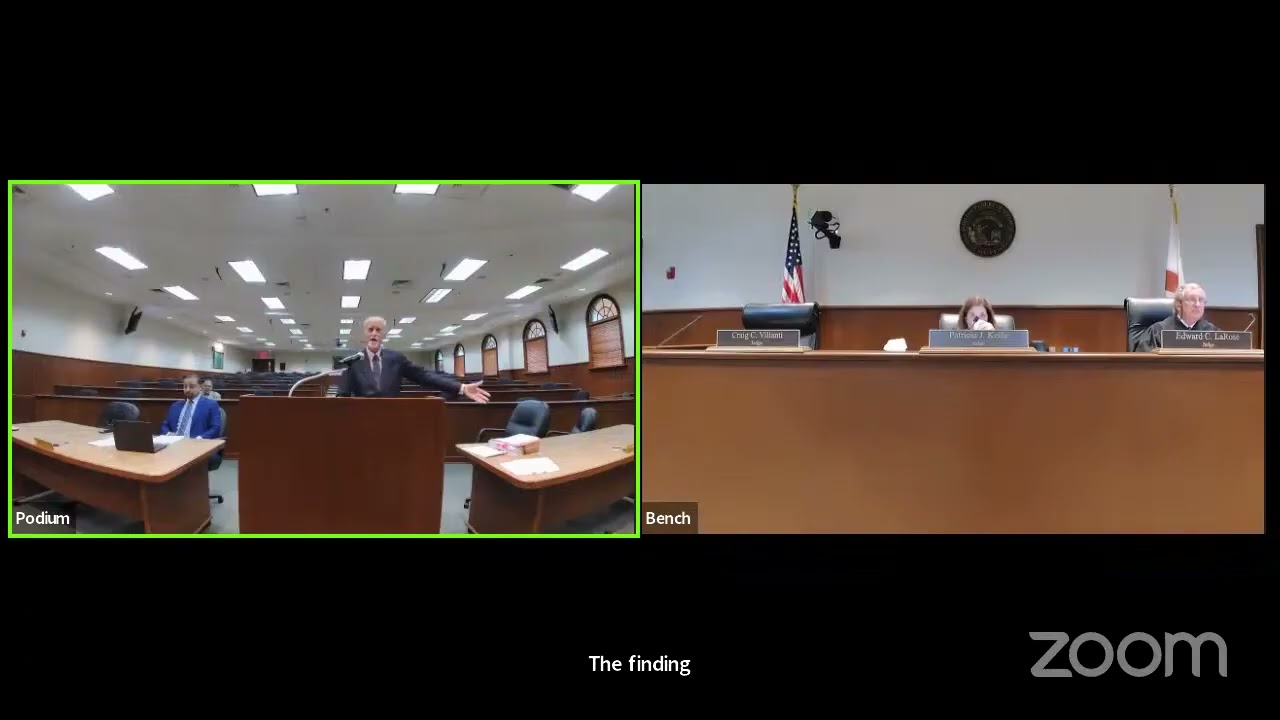
This is the recording of the actual oral argument, posted on the channel. What lawyers and judges say at argument is not the ruling; the decision is summarized above. (The channel has this argument posted twice; the other upload is here.)
Property Owner v. Contractor | KMG Properties v. Owl Construction, 2D23-1769
Go Deeper
- Oral Change Orders on a Fisher Island Renovation (Moscato v. Mutchnik)
- How to Vacate a Default or Final Judgment in Florida: Rule 1.540 and Its Limits
Frequently Asked Questions
Can a process server serve someone other than the registered agent in Florida?
Yes, in some situations. The registered agent must keep a person on site during set business hours to accept process, and the 2025 amendments to section 48.091 let a server serve an employee present at the registered office when the agent is away or when the agent is a business entity. In KMG, service on the staff member at the agent’s office was held proper.
What makes a return of service regular on its face?
Under section 48.21, the return must show the date and time the server received the papers, the date and time of service, the manner of service, and the name of the person served. In KMG, the court said the return did not need to use a particular label, such as substitute service, to be regular.
How do you set aside a default judgment for bad service in Florida?
You move to vacate the judgment as void. But if the return of service is regular on its face, service is presumed valid and you must prove it was defective by clear and convincing evidence. A bare denial from the person supposedly served usually is not enough, especially when the process server testifies otherwise.
Can an owner sue to remove a contractor's construction lien?
Yes. An owner can sue to discharge a construction lien under chapter 713. If the contractor does not respond, the owner can obtain a default and a judgment discharging the lien. Chapter 713 also has a prevailing-party fee provision in section 713.29.
Talk to a Florida construction and lien dispute lawyer
Weidner Law, P.A. handles construction lien, contractor and building defect disputes from St. Petersburg. If you need a real estate litigation lawyer, call (727) 954-8752 or email weidner@mattweidnerlaw.com.
Read the law yourself, free: every Florida statute and court rule is on floridarules.net.
This article is general information about Florida law, not legal advice about your situation. Reading it, watching the videos, or contacting the firm does not create an attorney-client relationship. Every case turns on its own facts, and past results do not guarantee a similar outcome. The hiring of a lawyer is an important decision that should not be based solely upon advertisements.
