
In short: In Ramos v. Halpern, a Miami-Dade trust said a beneficiary had to post a $200,000 bond before challenging the price the trustee paid for trust assets. The beneficiary argued that requirement was an unenforceable penalty under section 736.1108 of the Florida Trust Code. After a second trip to the Third District, the court affirmed the judgment for the trustee on October 25, 2023, without a written opinion explaining its reasons.
The Facts
William L. Ramos, Jr. was a beneficiary of a trust whose trustee, Michael Halpern, bought assets from the trust. The trust contained a litigation provision: anyone who wanted to contest the price of that purchase first had to post a $200,000 bond.
Ramos sued. In the first appeal, Ramos v. Halpern, No. 3D20-738 (Fla. 3d DCA Dec. 1, 2021), the Third District held the bond applied only to the counts attacking the purchase price. It reinstated Ramos’s declaratory judgment count asking the court to declare the bond provision an unenforceable penalty, and it expressly took no position on whether the bond was enforceable.
On remand the trial court entered summary judgment for the trustee and denied Ramos leave to amend. Ramos appealed again (No. 3D2022-1989), and the case was argued on October 12, 2023. The points below are what the lawyers argued, not findings by the court.
- Ramos argued the bond “purports to penalize” a beneficiary for contesting the trust, which section 736.1108 makes unenforceable, and that section 736.0105(2) makes that rule mandatory no matter what the trust says.
- He also argued the trial court had to decide the whole declaratory count the first appeal sent back, and that it abused its discretion by refusing leave to amend.
- The trustee argued the bond does not forfeit or reduce the beneficiary’s share; it only secures fees the trust would spend defending the purchase. The panel asked whether a “penalty” requires losing the beneficiary’s share.
The Decision
The Third District affirmed on October 25, 2023. The ACIS docket lists the disposition as “Affirmed,” and no written opinion explaining the reasons was available. The same day the court granted the trustee’s motion for appellate attorney’s fees, denied Ramos’s, and sent the amount back to the trial court. Rehearing was denied on December 15, 2023.
Because there is no opinion, the affirmance does not tell us which argument carried the day. It means the trial court’s judgment for the trustee stands; it is not a statement that every trust litigation bond is enforceable.
The Law
Section 736.1108 of the Florida Trust Code says a trust provision that purports to penalize an interested person for contesting the trust or starting other proceedings relating to the trust is unenforceable. It is Florida’s ban on in terrorem (no-contest) clauses for trusts; section 732.517 does the same for wills.
Section 736.0105(2) lists the Trust Code rules a settlor cannot override in the trust document, and the ban on penalty clauses is among them.
Fees are a separate question. Section 736.1004 lets a court award attorney’s fees in trust litigation, and the trustee’s side argued that the bond simply guaranteed fees the beneficiary could owe anyway. Whether a large up-front bond is a “penalty” or only fee security is the question this case framed.
Lessons
- Florida will not enforce a trust clause that punishes a beneficiary for going to court, but a beneficiary who wants to rely on section 736.1108 should be ready to show the clause actually penalizes the contest.
- Read the litigation provisions of a trust before filing. A bond or pre-suit condition can decide which claims survive, as it did in the first Ramos appeal.
- Losing a trust case can mean paying the other side’s fees. Here the trustee won appellate fees.
- A per curiam affirmance without an opinion settles that case only. It is not a ruling that similar clauses are valid.
Source: Ramos v. Halpern, No. 3D2022-1989 — Fla. 3d DCA docket (affirmed October 25, 2023); earlier opinion: Ramos v. Halpern, No. 3D20-738 (Fla. 3d DCA Dec. 1, 2021).
Watch the Oral Argument
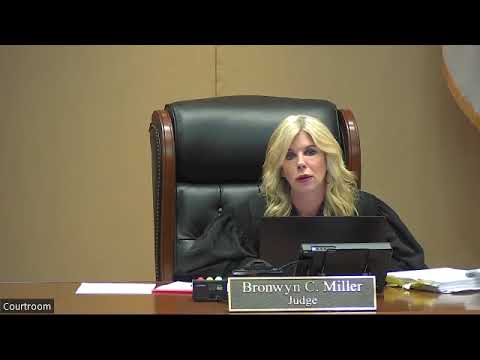
This is the recording of the actual oral argument, posted on the channel. What lawyers and judges say at argument is not the ruling; the decision is summarized above.
💰 A $200,000 Bond Before You Can Contest the Trust — An Unenforceable Penalty? Florida Appeal
Go Deeper
- How to Contest a Trust in Florida: Deathbed Amendments, Undue Influence and More
- Who Pays the Lawyers in a Florida Trust Lawsuit? Attorney Fees and the Trust
- A $2.5 Million Golf Course Sold for $12 Million: Trustee Surcharged
Frequently Asked Questions
Are no-contest clauses in Florida trusts enforceable?
No. Section 736.1108 makes a trust provision that purports to penalize an interested person for contesting the trust unenforceable, and a settlor cannot draft around that rule. Wills have the same rule under section 732.517.
Can a trust require a beneficiary to post a bond before suing the trustee?
A trust can contain such a provision, and in Ramos v. Halpern the trustee’s judgment was affirmed. Whether a particular bond is a forbidden penalty or permissible fee security depends on its terms and effect. The Third District affirmed without a written opinion, so the case does not announce a rule.
Can a trustee buy assets from the trust?
Self-dealing by a trustee is generally voidable by a beneficiary under the Florida Trust Code unless the trust authorizes it, the beneficiary consents, or a court approves it. A trust that authorizes the purchase can also set conditions on challenging it, which is what the Ramos trust tried to do.
Who pays attorney's fees when a beneficiary loses a trust lawsuit?
The court has discretion under section 736.1004 to award fees from a party’s share of the trust or against the party. In Ramos, the Third District granted the trustee’s motion for appellate fees and denied the beneficiary’s.
Talk to a Florida trust litigation lawyer
Weidner Law, P.A. handles Florida trust disputes and probate appeals from St. Petersburg. If you need a trust litigation lawyer, call (727) 954-8752 or email weidner@mattweidnerlaw.com.
Read the law yourself, free: the full Florida Probate Code and Probate Rules and the Florida Trust Code are on floridarules.net.
This article is general information about Florida law, not legal advice about your situation. Reading it, watching the videos, or contacting the firm does not create an attorney-client relationship. Every case turns on its own facts, and past results do not guarantee a similar outcome. The hiring of a lawyer is an important decision that should not be based solely upon advertisements.
