
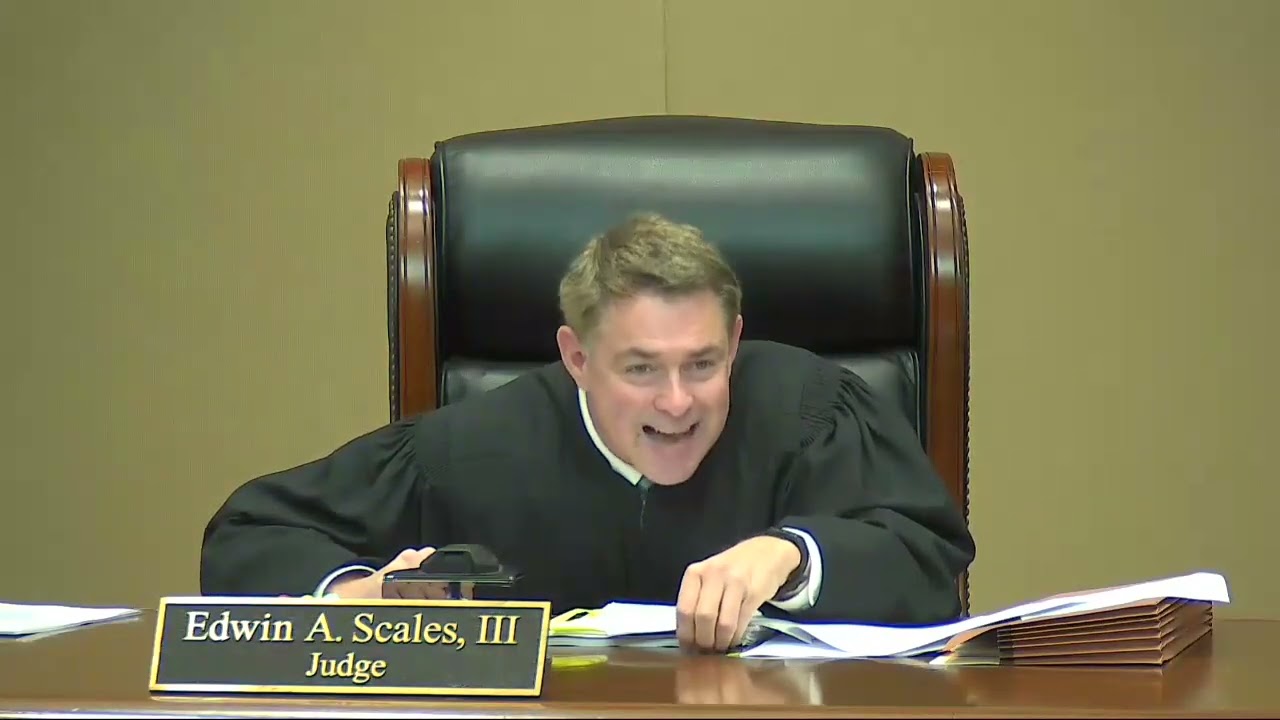
In short: In Fuentes v. Link, a daughter sued to quiet title to her late father’s Miami-Dade home, arguing his unrecorded revocable trust never conveyed the house to his wife as trustee. The trial court ruled the trust instrument itself operated as a deed. On June 19, 2024, the Third District affirmed in a written opinion, holding that revocability and the failure to record did not create a genuine factual dispute about the father’s intent to convey.
The Facts
Douglas Link signed a revocable living trust agreement in 2004. It named his wife, Irene Link, as trustee and beneficiary, and a schedule to the trust listed his Miami-Dade home. Douglas, Irene and two witnesses signed the instrument, and Irene signed an acceptance as trustee. Nobody recorded it until after Douglas died intestate in July 2020. He had kept living in the home.
His daughter, Donna Fuentes, who is not Irene’s daughter, filed a petition to quiet title. She argued the trust never conveyed the home, so it passed outside the trust and she inherited as an heir. Both sides moved for summary judgment, and the trial court ruled for Irene, finding the trust instrument itself acted as a deed.
At oral argument, the points below are what the lawyers argued, not findings by the court.
- The daughter argued that delivery and the grantor’s intent are questions of fact, and that the 17 years without recording, the father’s continued possession, and handwritten portions of the trust and its property schedule should have kept the case from being decided on summary judgment.
- She relied on cases holding that the test of delivery is whether the grantor kept the power to change his mind, and on section 689.06’s reference to a deed being signed and delivered.
- The widow argued the trust met every formality of a deed, contained conveyance language, and was delivered when she signed as trustee. She argued that recording only protects against third parties and is not required for delivery between the parties.
- The panel pressed the daughter on her own summary judgment motion, which said no material facts were in dispute, and pressed the widow on why intent was not a question for a factfinder.
The Decision
The Third District affirmed on June 19, 2024, in a written opinion reported at 394 So. 3d 684. It reviewed the summary judgment de novo under Florida’s current rule 1.510, which follows the federal standard: the question is whether the non-moving party has shown a genuine dispute of material fact.
The court explained that a conveyance of real property in Florida must be a signed writing executed in the presence of two subscribing witnesses, and that the instrument does not have to be called a deed. This trust had conveyance language, two witnesses, the trustee’s signed acceptance, and recitals showing that Douglas would keep the benefit of the home during his life and that it would go to Irene at his death. The trust was never amended or revoked.
The court agreed that delivery turns on the grantor’s intent, which is usually a fact question. But the daughter offered nothing on intent except that the trust was revocable and unrecorded. The court called that argument merely colorable and held it did not create a genuine issue for trial. It distinguished cases in which a grantor kept a deed or there was no evidence of an unconditional delivery. Rehearing was not sought, and the mandate issued July 10, 2024.
The Law
Section 689.01 requires a conveyance of land to be in writing, signed by the grantor in the presence of two subscribing witnesses. Section 689.06, which the daughter cited, speaks of a deed being signed and delivered. Delivery depends on whether the grantor intended the instrument to take effect.
Recording is governed by chapter 695. Under section 695.01, an unrecorded conveyance is not good against later creditors or purchasers for value without notice. As the widow argued and the court accepted, that protects third parties; it does not decide whether a conveyance was effective between the grantor and the grantee.
Summary judgment is governed by Florida Rule of Civil Procedure 1.510, amended effective May 1, 2021 to adopt the federal standard. Under that rule, a party opposing summary judgment has to come forward with evidence, not just argument, that a real factual dispute exists.
Current law (2026): Since January 1, 2024, section 695.26 requires an instrument conveying real property to include the post-office address of each witness before the clerk will record it. That is a recording requirement, not one of the execution requirements the court applied in this case.
Lessons
- A revocable trust that is drafted and signed with deed formalities can convey Florida real estate by itself, even if no separate deed is ever recorded.
- Do not count on that. The safer practice is still to sign and record a separate deed to the trustee, which avoids the litigation this family went through.
- Someone challenging a conveyance on summary judgment needs evidence about the grantor’s intent. Pointing out that the trust was revocable or unrecorded was not enough here.
- Be careful about telling the trial court there are no disputed facts. That concession was hard to walk back on appeal.
Source: Fuentes v. Link, 394 So. 3d 684 (Fla. 3d DCA June 19, 2024), No. 3D22-2053; Fla. 3d DCA docket.
Watch the Oral Argument
This is the recording of the actual oral argument, posted on the channel. What lawyers and judges say at argument is not the ruling; the decision is summarized above.
🏠 Can an Unrecorded Revocable Trust Itself Act as a Deed to the Home? Florida 3rd DCA Appeal
Go Deeper
- TikTok Says Everyone Needs a Revocable Trust. Here Is What It Leaves Out
- Can You Revoke a Revocable Trust by Selling Its Assets? Substantial Compliance (Jesmer v. Jesmer)
- What Happens to Your Parents' House After Death in Florida? Who Controls It, Who Pays, and How to Protect It
Frequently Asked Questions
Does a house have to be deeded to a revocable trust to be in the trust?
Usually a separate deed is signed and recorded. In Fuentes v. Link, the Third District held that a trust instrument signed with two witnesses and containing conveyance language conveyed the home by itself, even without a separate deed. Relying on that is risky; a recorded deed avoids the fight.
Is an unrecorded deed valid in Florida?
Between the grantor and the grantee, an unrecorded deed can be valid if it was properly signed, witnessed and delivered. Recording protects the grantee against later creditors and buyers who had no notice. In Fuentes, the trust was not recorded until after the father died, and the conveyance still stood.
What makes a deed valid in Florida?
Section 689.01 requires a signed writing executed in the presence of two subscribing witnesses, and the grantor must deliver it with the intent that it take effect. The Third District noted that the instrument does not have to be labeled a deed. A notary acknowledgment and witness addresses are needed to record it.
Can a child challenge a parent's trust that left the house to a stepparent?
Yes, a child can sue, but the child needs evidence. In Fuentes, the daughter argued the trust was revocable and unrecorded, and the court held that alone did not create a genuine factual dispute about her father’s intent. Homestead rules can also limit how a married owner may leave the home, which is a separate question from the one decided here.
Talk to a Florida homestead and probate lawyer
Weidner Law, P.A. handles Florida homestead, probate and real estate disputes from St. Petersburg. If you need a probate real estate lawyer, call (727) 954-8752 or email weidner@mattweidnerlaw.com.
Read the law yourself, free: the full Florida Probate Code and Probate Rules and the Florida Trust Code are on floridarules.net.
This article is general information about Florida law, not legal advice about your situation. Reading it, watching the videos, or contacting the firm does not create an attorney-client relationship. Every case turns on its own facts, and past results do not guarantee a similar outcome. The hiring of a lawyer is an important decision that should not be based solely upon advertisements.
