
In short: No. A proposal for settlement made to a husband and wife must state the amount and terms for each spouse, even when they own the property as tenants by the entireties. In Watkins v. Corbett, a Hillsborough home seller who won at trial on the buyers’ fraud claims could not collect attorney’s fees because her joint proposal to the buyers was not apportioned, and the Second District affirmed on March 25, 2026.
The Facts
Richard and Jennifer Corbett bought a home from Smith L. Watkins. They later sued her in Hillsborough County, claiming she fraudulently induced them to buy by concealing defects she knew about. Watkins won at trial.
Before trial, Watkins had served a proposal for settlement titled as her proposal “to Plaintiffs Richard Corbett and Jennifer Corbett.” It was addressed to them individually, did not mention that they were married or how they held title, and did not split the amount between them. After winning, she moved for attorney’s fees under the offer of judgment statute. The trial court denied the motion, and she appealed. The case was argued on September 16, 2025.
Watkins argued that because the Corbetts owned the home as tenants by the entireties, they were in effect one party, so the rule requiring a joint proposal to be apportioned did not apply.
The Decision
The Second District affirmed in a written opinion on March 25, 2026. It held that a tenancy by the entireties is only a form of ownership; it cannot sue or be sued, so it cannot be a party. The Corbetts sued in their individual capacities, Watkins addressed them that way, and their fraud claim under Johnson v. Davis did not depend on how they held title.
The court repeated that apportionment under rule 1.442 is a bright-line rule: “There are no exceptions for claims brought by tenants by the entireties.” It followed its earlier decision in Cobb v. Durando and disagreed with the Fourth District’s decision in Mackensen v. Trace Elements, Inc., which was then under review in the Florida Supreme Court.
On July 2, 2026, the Florida Supreme Court decided that case, Trace Elements, Inc. v. Mackensen, No. SC2024-1274. Based on a published summary of that decision, the Court held that a joint proposal must be apportioned even for a single, unified claim by a married couple, quashed the Fourth District, and approved Cobb. Watkins moved for rehearing in the Second District on April 8, 2026; an October 27, 2026 docket entry is a notice of filing an order denying rehearing.
The Law
Section 768.79, Florida’s offer of judgment statute, lets a defendant recover reasonable attorney’s fees and costs if the plaintiff rejects the defendant’s offer and then recovers nothing or a judgment at least 25 percent less than the offer. Because it shifts fees, courts construe it strictly.
Rule 1.442 sets the procedure. Under subdivision (c)(3), a proposal may be made by or to any party or parties, and a joint proposal must state the amount and terms attributable to each party. Florida courts have applied that requirement even when no logical apportionment can be made, because each offeree must be able to evaluate and accept the offer independently.
The Corbetts’ claim was a seller nondisclosure claim under Johnson v. Davis, 480 So. 2d 625 (Fla. 1985), which requires a home seller to disclose known facts that materially affect value and are not readily observable to the buyer.
Lessons
- When you make a proposal for settlement to two or more people, including spouses, state a separate amount and terms for each one.
- How the plaintiffs hold title does not turn two people into one party. A tenancy by the entireties cannot sue or be sued.
- If you are unsure whether the other side counts as one party or several, serve separate, apportioned proposals. A defective proposal can cost you a fee award even after you win.
- Check for new decisions before serving a proposal. In 2026 the Florida Supreme Court reinforced the apportionment rule in Trace Elements v. Mackensen.
Source: Watkins v. Corbett, No. 2D2025-0214 (Fla. 2d DCA Mar. 25, 2026); Fla. 2d DCA docket. Related: Trace Elements, Inc. v. Mackensen, No. SC2024-1274 (Fla. July 2, 2026).
Watch the Oral Argument
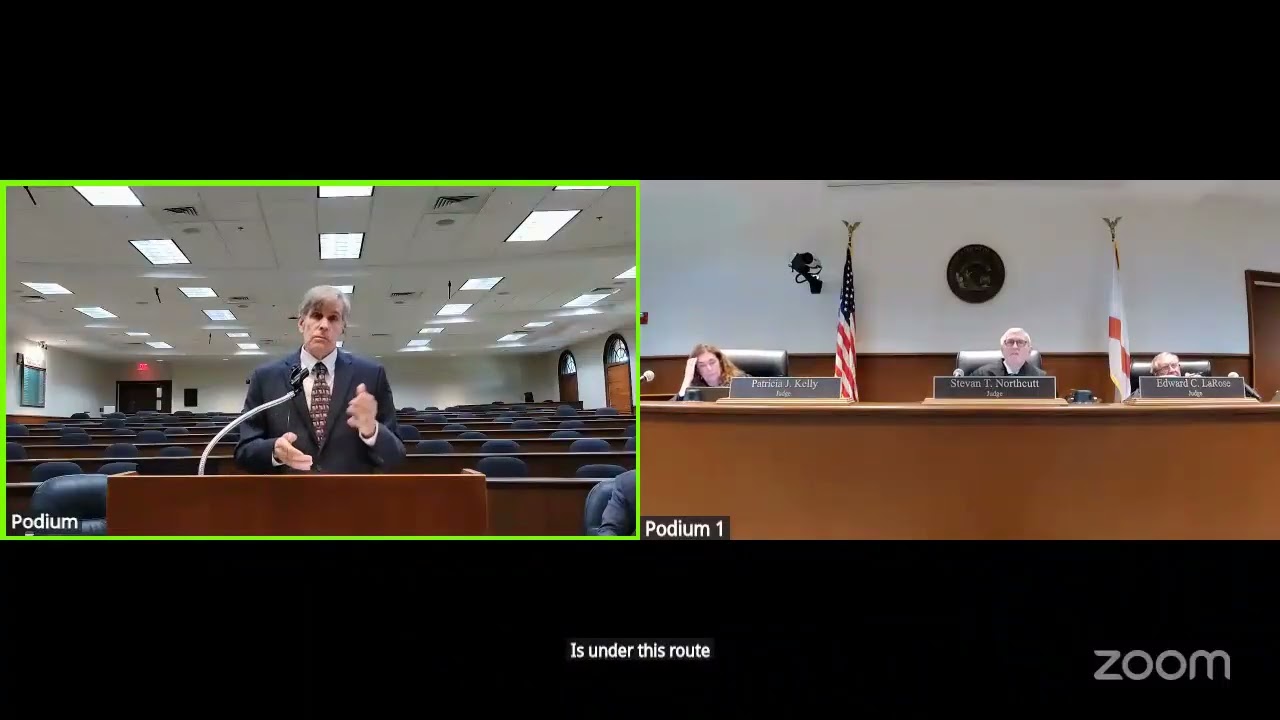
This is the recording of the Second District oral argument on September 16, 2025, posted on the channel. What lawyers and judges say at argument is not the ruling; the court’s written opinion is summarized above.
⚖️ Attorney Fees & Proposal for Settlement: Tenants by Entireties = One Party? | Watkins | 25-0214
Read the Law on FloridaRules.net
The statutes and court rules discussed in this article, free to read on FloridaRules.net:
Go Deeper
- Was the Settlement Proposal Too Ambiguous to Enforce? (Troexco, Inc. v. Maddox)
- A Proposal for Settlement in a Wrongful Death Case: Who Was the Offer From? (Family Food Saver II v. Snell)
- Vacant Lot Buyers Lose Nondisclosure Case Over Hidden Muck (Eiman v. Sullivan)
Frequently Asked Questions
Do I have to split a proposal for settlement between a husband and wife in Florida?
Yes. Under rule 1.442, a joint proposal must state the amount and terms attributable to each party. In Watkins v. Corbett, an unapportioned proposal to a married couple was invalid, so the seller could not recover fees.
Are tenants by the entireties one party in a lawsuit?
No, not for a proposal for settlement. The Second District held that a tenancy by the entireties is a form of ownership that cannot sue or be sued; the spouses are the parties, and here they sued in their individual capacities.
Can I get attorney's fees if I win a lawsuit after making a settlement offer?
Possibly, under section 768.79, if the plaintiff rejected your valid offer and then recovered nothing or at least 25 percent less than the offer. The proposal must strictly comply with the statute and rule 1.442, or the fee claim fails, as it did in Watkins.
What did the Florida Supreme Court decide about joint proposals in 2026?
In Trace Elements, Inc. v. Mackensen (July 2, 2026), the Court held that a joint proposal must be apportioned among the parties even when they pursue a single, unified claim, rejecting the Fourth District’s contrary approach. That is consistent with the Second District’s ruling in Watkins.
Talk to a Florida real estate litigation lawyer
Weidner Law, P.A. handles Florida real estate disputes, title problems and appeals from St. Petersburg. If you need a real estate litigation lawyer, call (727) 954-8752 or email weidner@mattweidnerlaw.com.
Read the law yourself, free: every Florida statute and court rule is on floridarules.net.
This article is general information about Florida law, not legal advice about your situation. Reading it, watching the videos, or contacting the firm does not create an attorney-client relationship. Every case turns on its own facts, and past results do not guarantee a similar outcome. The hiring of a lawyer is an important decision that should not be based solely upon advertisements.
