
In short: Sometimes. A city has broad discretion to reject all bids, but not for arbitrary, capricious or pretextual reasons, and Florida courts have ordered an award when nothing was left for the government to decide. In City of Miami v. Virginia Key, LLC, a Miami-Dade judge found the City Commission’s rejection of every proposal for a Virginia Key marina lease was pretextual and ordered the City to sign the lease with the top-ranked bidder. The Third District affirmed on July 31, 2024, and denied rehearing on November 8, 2024.
The Facts
The City of Miami solicited proposals to lease and redevelop a marina on Virginia Key. According to the parties’ appellate filings, the City issued requests for proposals in 2015 and 2017, Virginia Key, LLC was ranked first both times, and city managers recommended it. City staff negotiated a lease with the company; at oral argument the panel described it as a 59-page agreement. In November 2020 the City Commission rejected all bids.
Virginia Key sued. After a three-day bench trial, the circuit court entered a final judgment on February 10, 2023. As summarized in the parties’ filings, the court found the rejection of all bids arbitrary, capricious and pretextual, found favoritism toward the incumbent marina operator, granted a writ of mandamus ordering the City to execute the lease, and granted declaratory relief that the proposal should go to the voters by referendum. It declined to order a third round of bidding.
The City appealed (No. 3D2023-0436). The incumbent operator, Rickenbacker Marina, Inc., filed its own appeal (No. 3D2023-0422), which the Third District dismissed on May 3, 2023, on Virginia Key’s motion. The City’s appeal was argued in 2024. The points below are what the lawyers argued, not findings by the appellate court.
- The City argued mandamus requires a clear legal duty with no discretion, and the City Code and the RFP reserved to the Commission the final decision whether to accept or reject proposals and the right to negotiate lease terms, including price.
- The City argued that a request for proposals is not an invitation to bid decided on price alone, so cases ordering an award to the “lowest responsible bidder” did not apply, and that the right remedy for an arbitrary rejection is to send the matter back to the Commission without the improper reasons.
- Virginia Key argued the City never identified a single open lease term, that witnesses testified the lease was final, and that once the Commission’s discretion was exercised arbitrarily and in favor of a favored bidder, signing the lease was ministerial. It relied on public-bidding cases such as Wood-Hopkins, City of Sweetwater v. Solo Construction and Marriott v. Metropolitan Dade County.
- The panel pressed both sides on separation of powers: whether a court can make the decision for an elected commission, especially one whose membership has changed and might prefer not to lease the land at all.
The Decision
The Third District affirmed on July 31, 2024. The ACIS docket lists the disposition as “Affirmed” under a disposition-by-opinion entry; we could not locate the text of an opinion, so we cannot say whether the court explained its reasoning. The City moved for rehearing, rehearing en banc and clarification; the court denied rehearing and clarification on November 8, 2024, and also denied rehearing en banc. The mandate issued December 3, 2024.
The result is that the trial court’s judgment, including the mandamus ordering the City to execute the lease, stands. Without a written opinion, the affirmance does not announce a rule for other bid disputes. News reports in October 2026 described the Virginia Key marina lease as headed to a referendum of Miami voters in November 2026.
The Law
Florida public-bidding law gives governments wide discretion. A public body may reject all bids, and courts will not substitute their judgment for an honest exercise of that discretion. But the discretion is not unlimited: a decision that is arbitrary, capricious, fraudulent or the product of favoritism can be set aside, because the purpose of competitive bidding is to protect the public and give bidders a fair field.
Mandamus is the remedy that compels a public official to perform a clear legal duty that is ministerial, meaning nothing is left to judgment. The usual remedy for an arbitrary bid decision is to send the matter back to the agency. The cases the parties argued over involve the harder question of when a court may go further and order the award itself, which turns on whether any real decision remains for the government to make.
This dispute arose under the City of Miami’s own code and charter procedures for leasing city waterfront property, including a requirement of voter approval. Each government’s code controls how its solicitations work.
Lessons
- A government can reject all bids, but if its stated reasons are pretext, a court can set the decision aside.
- The more complete the deal when the government balks, the stronger a bidder’s argument that nothing is left but a ministerial act.
- Build the record at trial: here the City was criticized for not showing any lease term that was still open.
- Bid protests and lawsuits over public leases can take years. This one began with a 2015 solicitation.
- An affirmance without a located opinion decides this case; it is not a rule that courts will order every rejected bid awarded.
Source: City of Miami v. Virginia Key, LLC, No. 3D2023-0436 — Fla. 3d DCA docket (affirmed July 31, 2024; rehearing denied November 8, 2024); related appeal Rickenbacker Marina, Inc. v. Virginia Key, LLC, No. 3D2023-0422 (dismissed May 3, 2023); trial court: Miami-Dade Circuit Court No. 2021-022931-CA-01.
Watch the Oral Argument
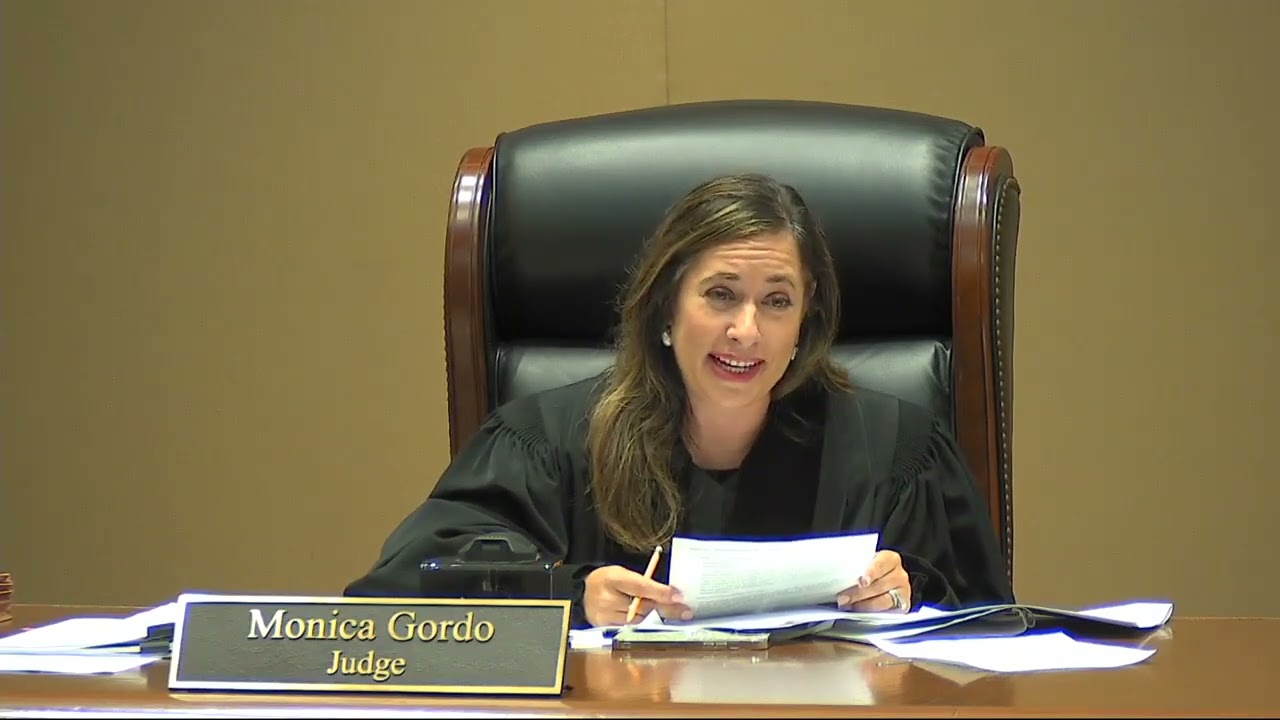
This is the recording of the actual oral argument, posted on the channel. What lawyers and judges say at argument is not the ruling; the decision is summarized above.
📑 Nine Years, a 59-Page Lease, All Bids Rejected: Can a Court Order the Award? Florida Appeal
Go Deeper
- Condo’s $610,000 Sewer Job Was Never Bid: Owners Keep Their Win (Buttonwood Bay v. Mead)
- Florida Public Records and Sunshine Laws: How to Request Records and Enforce Your Rights
- A 1974 Park Deed’s Reverter Clause Survives: Not a Dedication Under 95.36 (1000 Brickell v. City of Miami)
Frequently Asked Questions
Can a Florida city reject all bids?
Yes. Governments usually reserve the right to reject all bids, and courts respect an honest exercise of that discretion. But a rejection that is arbitrary, capricious, pretextual or driven by favoritism can be set aside, as the trial court found in the Virginia Key case.
Can a court force a government to award a contract to the winning bidder?
In limited cases. Mandamus can compel only a ministerial act, so the bidder must show nothing discretionary is left. In Virginia Key, the trial court ordered the City of Miami to sign a fully negotiated lease, and the Third District affirmed in 2024.
What is the difference between an RFP and an invitation to bid?
An invitation to bid usually awards to the lowest responsible bidder on price, while a request for proposals weighs several criteria and often leaves terms to negotiate. The City of Miami argued that difference meant no court could order an award; the trial court found the lease was already final.
What can a losing bidder do if a city's bid decision was unfair?
Follow the bid protest procedure in the solicitation and the government’s code, on time, and then consider a lawsuit for declaratory relief or mandamus. Deadlines in bid protest rules are short.
Talk to a Florida real estate litigation lawyer
Weidner Law, P.A. handles Florida real estate disputes, title problems and appeals from St. Petersburg. If you need a real estate litigation lawyer, call (727) 954-8752 or email weidner@mattweidnerlaw.com.
Read the law yourself, free: every Florida statute and court rule is on floridarules.net.
This article is general information about Florida law, not legal advice about your situation. Reading it, watching the videos, or contacting the firm does not create an attorney-client relationship. Every case turns on its own facts, and past results do not guarantee a similar outcome. The hiring of a lawyer is an important decision that should not be based solely upon advertisements.
