
In short: Yes, if it acts before the tax roll is certified. In Sowell v. Panama Commons, a limited partnership that owned a 92-unit affordable housing project in Panama City had its 2013 exemption application denied after the Legislature repealed the exemption for limited partnerships and applied the repeal to the 2013 tax roll. The owner argued its right to the exemption vested on January 1. On June 2, 2016, the Florida Supreme Court disagreed and reversed, holding that the right had not vested, so applying the repeal did not violate due process.
The Facts
Panama Commons L.P., a nonprofit Florida limited partnership, built a 92-unit affordable housing project in Panama City. The Bay County Property Appraiser granted it a full ad valorem tax exemption for 2012 under section 196.1978, and it timely applied again for 2013.
After that application was filed, the 2013 Legislature eliminated the exemption for affordable housing owned by limited partnerships and made the change apply to the 2013 tax roll. On June 19, 2013, the property appraiser issued a notice disapproving the 2013 exemption because of the change in law.
Panama Commons sued, arguing that applying the repeal to 2013 was unconstitutional. The circuit court granted partial summary judgment for the owner, finding the right to the exemption vested on January 1, 2013. The First District affirmed in Stranburg v. Panama Commons L.P. (Fla. 1st DCA 2015), holding the retroactive repeal violated due process, over a dissent. Because the First District held a statute invalid as applied, the property appraiser (Dan Sowell) and the Executive Director of the Department of Revenue appealed to the Florida Supreme Court, which heard argument on February 4, 2016.
The Decision
The Florida Supreme Court reversed and remanded on June 2, 2016, in a unanimous opinion. It held that Panama Commons had, at most, an expectation of the exemption on January 1, 2013, not a vested right.
The Court explained that every property tax exemption depends on a chain of steps: a timely application by March 1, the property appraiser’s review and written notice of any denial by July 1, assessment, submission of the roll, budgeting and millage hearings, and finally certification of the tax roll to the tax collector, usually in October. Because the Legislature repealed the exemption before that process was complete, the amended statute was the law in effect when the appraiser acted on the application.
The Court rejected the idea that the January 1 status date fixes the law for the year. January 1 is when a property’s use and status are judged, not when a right to an exemption becomes untouchable. The Court also repeated the starting rule that all property is taxable unless expressly exempt, that exemptions are strictly construed against the taxpayer, and that one Legislature cannot bind the next on taxation. It did not reach the State’s alternative argument that Panama Commons did not qualify even under the 2012 law.
The Law
Section 196.1978 is Florida’s affordable housing property tax exemption. Section 196.011 requires an owner to file for most exemptions by March 1 each year, and missing the deadline waives the exemption for that year. Section 196.193 requires the property appraiser to notify the applicant in writing by July 1 if an exemption is denied.
Property is assessed as of January 1 under section 192.042, and the assessment roll is later certified to the tax collector under section 193.122. Sowell treats that certification, not January 1, as the point at which the right to an exemption for the year becomes fixed.
Retroactive statutes are reviewed in two steps: did the Legislature intend the law to apply retroactively, and if so, does applying it impair a vested right or otherwise violate due process. Here the Legislature clearly intended the repeal to reach the 2013 roll, and the Court found no vested right.
Current law (2026): section 196.1978 has been amended several times since 2013, including by the 2023 Live Local Act, which added a separate exemption for qualifying multifamily affordable housing. Check the current statute and the property appraiser’s application requirements for the tax year at issue.
Lessons
- A property tax exemption is not locked in on January 1. Until the roll is certified, the Legislature can change the rules for that tax year.
- Developers who underwrite projects on a tax exemption should treat it as a policy risk, not a guaranteed asset, and plan for a change in law.
- File every exemption application by March 1. A late filing waives the exemption for the year no matter how strong the claim.
- Exemptions are read narrowly against the property owner. Ownership structure, such as a limited partnership, can decide eligibility.
Source: Sowell v. Panama Commons L.P., 192 So. 3d 1243 (Fla. June 2, 2016), No. SC15-774 (reversed and remanded); Florida Supreme Court docket.
Watch the Oral Argument
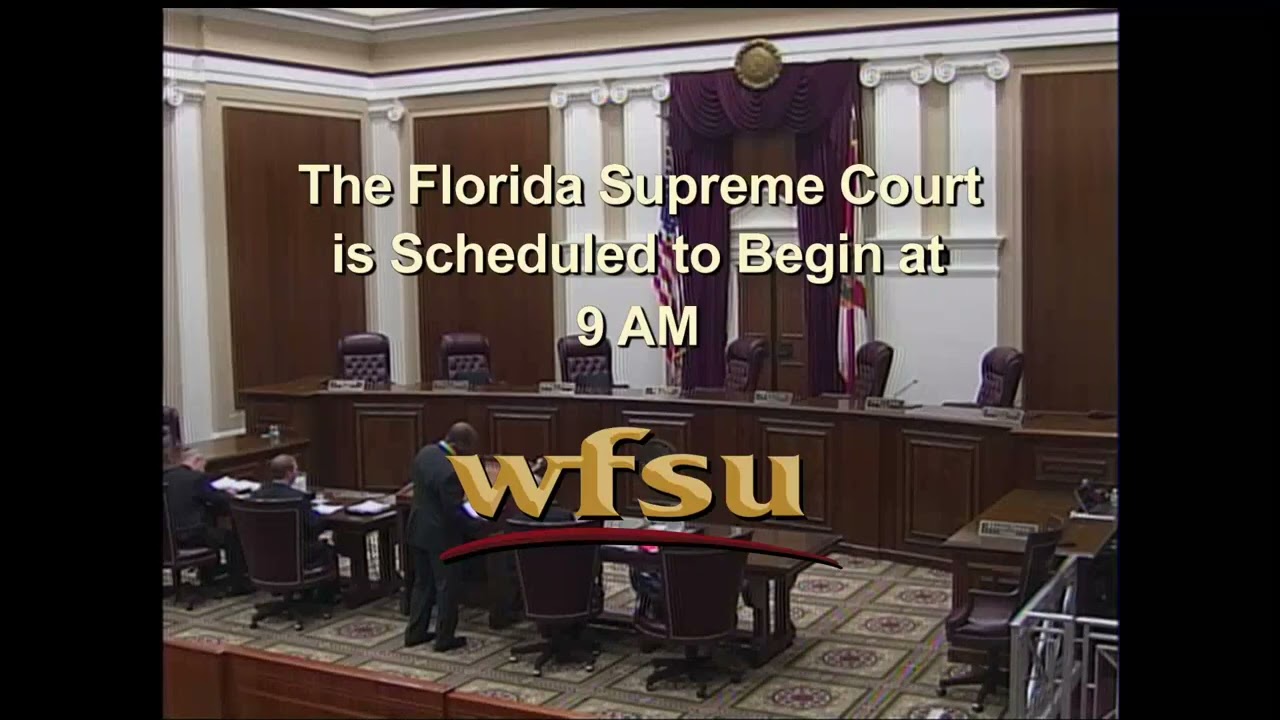
Recordings of the Florida Supreme Court argument on February 4, 2016, posted on the channel (two uploads). What lawyers and justices say at argument is not the ruling; the decision is summarized above.
🏠 Property Tax "Additions" Dispute — What Counts? | Sowell v. Panama Commons | SC15-774
🏠 Property Tax "Additions" Dispute — What Counts? | Sowell v. Panama Commons | SC15-774
Go Deeper
- Does Florida's 3-Year Portability Window Apply to an Earlier Move? (Frehling v. Garcia)
- Homestead Exemption Revoked for Nine Years: The 10% Cap Still Applies (Russell v. Hassett)
- Florida Homestead Exemption and the November 2026 Property Tax Amendment
Frequently Asked Questions
Can Florida take away a property tax exemption after I already applied?
Yes. In Sowell v. Panama Commons, the Florida Supreme Court held that a right to an exemption does not vest until the tax roll is certified, usually in October. A repeal enacted before then can apply to that year’s taxes.
Does my property tax exemption lock in on January 1 in Florida?
No. January 1 is the date your property’s status and use are judged under section 192.042, but the Supreme Court held it is not the date the exemption becomes a vested right. The law can still change before the roll is certified.
When is the deadline to apply for a property tax exemption in Florida?
For most exemptions, March 1 of the tax year under section 196.011. Missing the deadline waives the exemption for that year, and the property appraiser must give written notice of a denial by July 1 under section 196.193.
Do affordable housing properties get a property tax exemption in Florida?
Some do under section 196.1978, but eligibility depends on ownership, income limits and the current version of the statute. In 2013 the Legislature removed limited partnerships from the exemption Panama Commons had used, and the statute has been amended again since.
Talk to a Florida real estate litigation lawyer
Weidner Law, P.A. handles Florida real estate disputes, title problems and appeals from St. Petersburg. If you need a real estate litigation lawyer, call (727) 954-8752 or email weidner@mattweidnerlaw.com.
Read the law yourself, free: every Florida statute and court rule is on floridarules.net.
This article is general information about Florida law, not legal advice about your situation. Reading it, watching the videos, or contacting the firm does not create an attorney-client relationship. Every case turns on its own facts, and past results do not guarantee a similar outcome. The hiring of a lawyer is an important decision that should not be based solely upon advertisements.
