
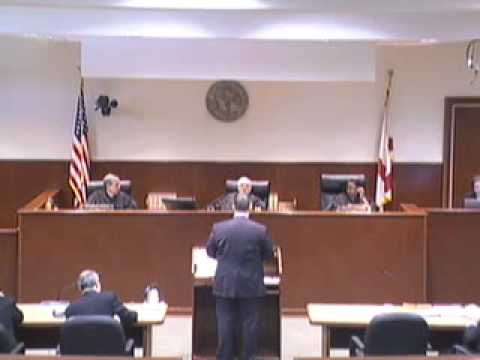
In short: Terry Bollea (Hulk Hogan) sued Gawker-related companies, including Hungarian company Kinja, formerly Blogwire Hungary. Kinja moved to dismiss for lack of personal jurisdiction. The trial court deferred the issue but entered an order simply denying the motion. In April 2015 the Second DCA reversed because the jurisdiction challenge was never actually heard and decided.
The Facts
Terry Gene Bollea, known as Hulk Hogan, sued several defendants in Pinellas County over the publication of a story about his sexual encounter that included excerpts of a video recording. One defendant was Kinja, KFT, a Hungarian company formerly named Blogwire Hungary, connected to Gawker Media’s publishing platform.
Kinja moved to dismiss the amended complaint on two grounds: failure to state a cause of action and lack of personal jurisdiction in Florida. At one hearing, the court indicated it would deny the jurisdiction challenge without prejudice so Bollea could take more jurisdictional discovery. At a later hearing, it denied the failure-to-state-a-claim ground but deferred ruling on jurisdiction. The written orders, though, simply denied Kinja’s motion without separating the two grounds.
Kinja appealed. The video description frames Kinja’s argument as having no Florida contacts; the appellate court did not reach that question.
The Decision
The Second District first held it had jurisdiction to hear the appeal, because a nonfinal order that expressly denies a motion to dismiss for lack of personal jurisdiction is immediately appealable. On the merits, it held that neither side had received a full hearing on Kinja’s jurisdictional objection under the procedure the Florida Supreme Court set out in Venetian Salami Co. v. Parthenais. Without that hearing, denying the motion was error.
The court reversed the denial and remanded for further proceedings consistent with its opinion. It did not decide whether Kinja had enough Florida contacts to be sued there.
The Law
Florida’s long-arm statute, section 48.193, lists the activities that subject a nonresident to suit in Florida, such as committing a tortious act within the state or engaging in substantial business activity here. Due process separately requires minimum contacts so that being sued in Florida is fair.
Venetian Salami sets the procedure. The plaintiff first pleads a basis for long-arm jurisdiction. If the defendant files a legally sufficient affidavit contesting it, the burden shifts back to the plaintiff to prove jurisdiction by affidavit or other sworn proof. If the affidavits conflict and cannot be reconciled, the court must hold a limited evidentiary hearing. An order denying a jurisdictional motion is reviewable right away under Florida Rule of Appellate Procedure 9.130(a)(3)(C)(i).
Lessons
- A personal jurisdiction challenge has to be heard and decided on the evidence; a court cannot deny it by default while saying it is deferring the issue.
- Defendants should file sworn affidavits contesting specific jurisdictional facts, which shifts the burden back to the plaintiff.
- If a written order says something different from what the judge said at the hearing, the written order controls. Get it fixed or appeal.
- Orders denying jurisdictional motions can be appealed immediately; do not wait for final judgment.
Watch the Oral Argument
This is the recording of the actual oral argument, posted on the channel. What lawyers and judges say at argument is not the ruling; the decision is summarized above.
Personal Jurisdiction Over a Foreign Company | Bollea v. Blogwire Hungary, 2D14-2630
Go Deeper
- When Your Teenager Accepts the Summons: Default in a Partition Case (Tan v. Hua)
- Why Florida Judges Are Rushing to Close Cases: Rule 1.200 and the New Case Management
Frequently Asked Questions
How do you challenge personal jurisdiction in Florida?
Raise it in your first response, usually a motion to dismiss, and support it with a sworn affidavit refuting the plaintiff’s jurisdictional allegations. Under Venetian Salami, the burden then shifts to the plaintiff to prove jurisdiction with sworn evidence. Conflicting affidavits require a limited evidentiary hearing.
Can you appeal an order denying a motion to dismiss for lack of personal jurisdiction in Florida?
Yes. Florida Rule of Appellate Procedure 9.130(a)(3)(C)(i) allows an immediate appeal of a nonfinal order determining jurisdiction of the person. In this case the Second DCA held an order that expressly denied the motion was appealable even though the judge had said the issue was being deferred.
What is the Venetian Salami test?
It is the Florida Supreme Court’s two-step framework for personal jurisdiction: first, whether the complaint alleges facts bringing the defendant within the long-arm statute, and second, whether the defendant has sufficient minimum contacts with Florida to satisfy due process. It also sets the affidavit and burden-shifting procedure.
Did the court decide whether Gawker's Hungarian affiliate could be sued in Florida?
No. The Second DCA reversed because the trial court denied the motion without the required hearing on the jurisdictional issue. It remanded for further proceedings and did not decide whether the company had sufficient Florida contacts. Whether the company could be sued in Florida was left for the trial court to address on remand.
Talk to a Florida civil litigation and appeals lawyer
Weidner Law, P.A. has handled Florida civil litigation and appeals for more than 25 years. If you need a civil litigation lawyer, call (727) 954-8752 or email weidner@mattweidnerlaw.com.
Read the law yourself, free: every Florida statute and court rule is on floridarules.net.
This article is general information about Florida law, not legal advice about your situation. Reading it, watching the videos, or contacting the firm does not create an attorney-client relationship. Every case turns on its own facts, and past results do not guarantee a similar outcome. The hiring of a lawyer is an important decision that should not be based solely upon advertisements.
