
In short: William Howell sued to quiet title against mortgage lienholders, arguing their liens had expired under section 95.281 because the final maturity date was ascertainable from the record. The Second DCA affirmed the ruling against him without a written opinion in February 2015 and later denied rehearing and a request for a written opinion.
The Facts
Because the Second District affirmed without an opinion, the facts here come from the arguments described on appeal, not from a written decision. The homeowner, William W. Howell, brought a quiet title action against mortgage lienholders, including SunTrust Bank, seeking a ruling that their mortgage liens on his property had expired and no longer clouded title.
The argument rested on Florida’s mortgage lien statute of repose, section 95.281. That statute ends a mortgage lien five years after the final maturity date if that date can be determined from the recorded mortgage, but otherwise allows the lien to last twenty years from the date of the mortgage. The dispute was over whether the maturity date was ascertainable from the record: the mortgage stated a final maturity date, but the parties disagreed about whether a maturity that could move up on acceleration changed the analysis.
The Decision
On February 4, 2015, the Second District issued a per curiam affirmance (a PCA) with no written opinion, leaving the trial court’s ruling against Mr. Howell in place. He moved for rehearing, rehearing en banc and a written opinion; the court denied that motion in May 2015, and the mandate issued in June 2015.
Because there is no opinion, the decision does not explain how the court read the maturity language or the effect of acceleration, and it is not precedent for other cases.
The Law
Section 95.281(1) sets two outside limits on mortgage liens. If the final maturity of the obligation is ascertainable from the record of the mortgage, the lien terminates five years after that final maturity date. If it is not, the lien terminates twenty years after the date of the mortgage, unless the holder rerecords the mortgage with the obligation or records the obligation with an affidavit before the twenty years run, in which case the five-years-after-maturity rule applies. The statute has not been substantively amended since 1995.
Florida courts read the ascertainable-from-the-record test literally. In Layton v. Bay Lake Ltd. Partnership (2002) and CCM Pathfinder Palm Harbor Management, LLC v. Unknown Heirs of Gendron (2015), the Second DCA applied the twenty-year period where the controlling maturity date was in an unrecorded note or loan agreement rather than the recorded mortgage. Acceleration, which makes the whole debt due early, starts the clock on the statute of limitations for foreclosure; the repose period in section 95.281 is measured from the final maturity date of record.
Current law (2026): Section 95.281 (2026) is unchanged in substance since 1995 (last history entry s. 527, ch. 95-147); verified on flsenate.gov.
Lessons
- Section 95.281 can clear very old mortgages from title, but the five-year clock runs from the final maturity date shown in the recorded mortgage, not from default or acceleration.
- If the recorded mortgage does not show the final maturity, the lien can last twenty years from the mortgage date.
- Before filing a quiet title action based on repose, read the recorded mortgage itself and calculate both periods.
- A PCA ends the appeal but leaves no reasoning to rely on; check published cases before building a quiet title theory.
Source: Howell v. SunTrust Bank, No. 2D14-2610 — Fla. 2d DCA (February 4, 2015).
Watch the Oral Argument
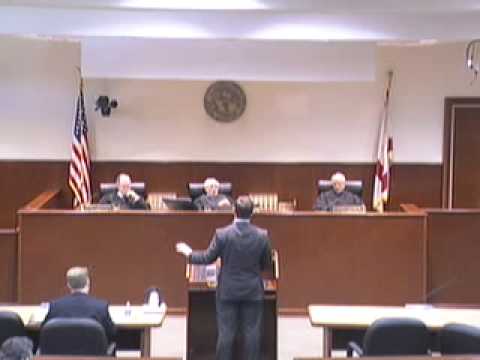
This is the recording of the actual oral argument, posted on the channel. What lawyers and judges say at argument is not the ruling; the decision is summarized above.
Mortgage Statute of Repose & Quiet Title | Howell, 2D14-2610
Go Deeper
- Foreclosure Statute of Limitations in Florida: Bartram, Refiled Cases, and the 5-Year Rule
- A 1973 Golf-Course Restriction Wiped Out by the Marketable Record Title Act (La Minnesota Riviera)
Frequently Asked Questions
When does a mortgage lien expire in Florida?
Under section 95.281, a mortgage lien ends five years after the final maturity date of the debt if that date can be found in the recorded mortgage. If it cannot, the lien ends twenty years after the date of the mortgage, unless the lender records the note or an affidavit showing the maturity date before then.
Does acceleration change the maturity date for the statute of repose?
Generally no. Acceleration makes the full debt due early and starts the statute of limitations on a foreclosure action, but courts look to the final maturity date stated in the recorded mortgage for the repose period in section 95.281. In Howell, the Second DCA affirmed a ruling against the homeowner without explaining its reasoning.
Can I quiet title against an old mortgage in Florida?
Possibly, if the lien has expired under section 95.281 or the debt is otherwise unenforceable. You would file a quiet title action naming the lienholder. The key step is confirming from the public record whether the final maturity date is ascertainable and whether the five- or twenty-year period has passed.
What is the difference between the statute of limitations and the statute of repose for mortgages?
The statute of limitations, generally five years for foreclosure under section 95.11, limits how long a lender has to sue after a default or acceleration. The statute of repose in section 95.281 is an outside limit on the life of the lien itself, measured from the final maturity date or the date of the mortgage.
Talk to a Florida title and property dispute lawyer
Weidner Law, P.A. handles quiet title, deed, lien and title disputes from St. Petersburg, backed by more than 25 years of title work. If you need a real estate litigation lawyer, call (727) 954-8752 or email weidner@mattweidnerlaw.com.
Read the law yourself, free: every Florida statute and court rule is on floridarules.net.
This article is general information about Florida law, not legal advice about your situation. Reading it, watching the videos, or contacting the firm does not create an attorney-client relationship. Every case turns on its own facts, and past results do not guarantee a similar outcome. The hiring of a lawyer is an important decision that should not be based solely upon advertisements.
