
In short: Sometimes, and Chase v. Sixto is an example where it did. In Chase Home Loans, LLC v. Sixto, a Miami-Dade case, the lender sold the unit and the association was paid from the sale before Chase appealed; the association argued Chase had given up its standing and paid voluntarily. The Third District denied the association’s motion to dismiss the appeal and, on June 19, 2013, reversed and remanded on the authority of its then-new decisions limiting what an association could collect from a later owner. The short opinion does not discuss standing or voluntary payment.
The Facts
The written opinion gives almost no facts. What follows comes from the ACIS docket and from the four-minute argument, and it is labeled as what the parties argued, not as findings.
Chase Home Loans, LLC appealed an order of the Miami-Dade circuit court in a dispute with Costa Del Sol Association, Inc., a condominium association, over amounts the association claimed on a unit. Before Chase filed its notice of appeal it had conveyed the unit, and the association was paid out of that sale. At the time, according to the association’s counsel, the association had a recorded lien on the unit but had not filed a foreclosure suit.
Early in the appeal the association moved to dismiss and asked the court to take judicial notice of a special warranty deed. On February 11, 2013, the Third District took judicial notice of the deed and denied the motion to dismiss. The case was argued in June 2013. The arguments were:
- Chase argued the case was indistinguishable from Aventura Management, LLC v. Spiaggia Ocean Condominium Ass’n, decided after the order under review, and asked for reversal on its authority.
- The association conceded that Aventura was intervening precedent on point as to at least the last sentence of the order, but argued Chase lacked standing because it conveyed the unit before appealing.
- The association also argued the payment was voluntary: Chase chose to sell for a profit, and a lien, demand or threat of foreclosure does not make a payment involuntary.
The Decision
On June 19, 2013, the Third District reversed and remanded “for further proceedings” on the authority of two decisions issued after the trial court ruled: Aventura Management, LLC v. Spiaggia Ocean Condominium Ass’n, 105 So. 3d 637 (Fla. 3d DCA 2013), and Barnes v. Castle Beach Club Condominium Ass’n, 106 So. 3d 86 (Fla. 3d DCA 2013). It also cited Waterfront Investment Real Estate, LLC v. Bentley Bay Condominium Ass’n, No. 3D12-1833 (Fla. 3d DCA May 15, 2013).
The opinion does not mention standing or the voluntary payment doctrine. The court had already refused to dismiss the appeal, and it decided the merits. So the case shows the appeal went forward, but it is not a written ruling on when a seller who paid an association keeps the right to appeal. The mandate issued July 9, 2013.
The Law
Section 718.116(1)(a) makes a condominium unit owner, however title was acquired, liable for assessments that come due while he or she owns the unit, and jointly and severally liable with the previous owner for unpaid assessments that came due before the transfer of title.
In Aventura and Barnes, the association had taken title to delinquent units through its own lien foreclosure, and a later buyer took title through a bank’s foreclosure sale. The Third District read the statute’s plain words to mean the association was the “previous owner,” jointly liable for the arrears, so it could not collect from the new buyer the assessments that had accrued before the buyer took title.
Current law (2026): In 2014 the Legislature amended section 718.116(1)(a) to say that the term “previous owner” does not include an association that acquires title to a delinquent property through foreclosure or by deed in lieu of foreclosure. That change was a response to the Aventura line of cases, so Aventura and Barnes should not be relied on for transfers governed by the current statute.
First mortgagees have their own rule. Under the safe harbor in section 718.116(1)(b), a first mortgagee that takes title by foreclosure or deed in lieu, and that joined the association in the foreclosure, owes only the lesser of 12 months of past-due regular assessments or 1 percent of the original mortgage debt for the period before it took title.
Lessons
- Selling the unit and paying the association out of the closing did not stop this appeal, but the Sixto opinion does not explain why, so do not rely on it alone.
- If you plan to appeal, consider preserving your position in writing at closing, for example by paying under protest or escrowing the disputed amount.
- Check which version of section 718.116 applies. The 2014 amendment changed who counts as a “previous owner.”
- Watch for new decisions while an appeal is pending. Here, cases decided after the trial court ruled controlled the result.
Source: Chase Home Loans, LLC v. Sixto, No. 3D12-3372 (Fla. 3d DCA June 19, 2013) (opinion); ACIS docket.
Watch the Oral Argument
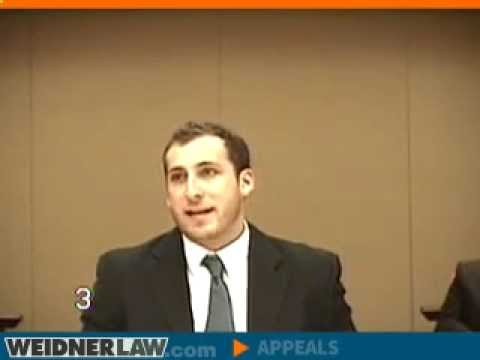
This is the recording of the actual oral argument, posted on the channel. What lawyers and judges say at argument is not the ruling; the decision is summarized above.
💼 Sold the Unit, Paid the Association, Then Appealed: Standing? | Chase v. Sixto, 3D12-3372
Go Deeper
- How Far Back Does a Condo Buyer Owe Unpaid Assessments? (Park West v. Londono)
- Bought at a Foreclosure Sale, Sold It, and Still Had a Live HOA Dispute (Real Estate Solutions v. Viera East)
- Defending HOA Lien Foreclosure Claims
Frequently Asked Questions
Can I still appeal after I sell the property?
Sometimes. Courts have held that conveying property before appealing can end a party’s standing, and the association made that argument in Chase v. Sixto. The Third District denied the association’s motion to dismiss and decided the appeal, but its opinion does not explain the standing question, so get advice before you sell.
Does a new condo owner have to pay the previous owner's unpaid assessments?
Generally yes. Under section 718.116(1)(a), the new owner is jointly and severally liable with the previous owner for assessments that came due before the transfer, and can seek repayment from the previous owner. Different rules apply to first mortgagees and, since 2014, to associations that took title by foreclosure.
How much does a bank owe the condo association after foreclosure?
A first mortgagee that joined the association in the foreclosure owes the lesser of 12 months of past-due regular assessments or 1 percent of the original mortgage debt for the time before it took title, under section 718.116(1)(b). After it takes title, it owes assessments as they come due.
If I pay the association to close a sale, can I get the money back?
Possibly, but the association may argue the payment was voluntary. In Sixto the association made that argument and the Third District reversed anyway, without addressing it. Paying under a written protest or escrow agreement helps preserve the claim.
Talk to a Florida real estate litigation lawyer
Weidner Law, P.A. handles Florida real estate disputes, title problems and appeals from St. Petersburg. If you need a real estate litigation lawyer, call (727) 954-8752 or email weidner@mattweidnerlaw.com.
Read the law yourself, free: every Florida statute and court rule is on floridarules.net.
This article is general information about Florida law, not legal advice about your situation. Reading it, watching the videos, or contacting the firm does not create an attorney-client relationship. Every case turns on its own facts, and past results do not guarantee a similar outcome. The hiring of a lawyer is an important decision that should not be based solely upon advertisements.
