
In short: No fees. In Johnson v. Carroll Oaks HOA (2025), an association beat an owner’s lawsuit over a tow, but the Second District reversed the attorney’s fee award. The dispute turned on the state towing statute, not on enforcing the declaration, and the declaration’s fee clause did not reach it.
The Facts
A new owner in a Hillsborough County community parked in her own assigned space using a guest hang tag because she had not yet received a resident sticker. The association, Carroll Oaks, had her car towed. Community parking rules required residents to park in their own spaces and display matching stickers.
She sued the association and the towing company in county court, arguing the association never posted the tow-away signs Florida’s towing statute requires. That statute excuses posted signs when the vehicle owner was personally told the area is reserved and that unauthorized vehicles may be towed at the owner’s expense. The county court granted summary judgment to the association, finding she had personal notice through governing documents she received before closing.
The association then asked for its attorney’s fees under the community’s recorded Declaration of Easements, which allowed enforcement by any appropriate proceeding and let the enforcing party recover reasonable fees. The county court awarded fees, reasoning the case was about her relationship with the association as a member. She appealed only the fee award.
The Decision
The Second District reversed the fee award, holding there was no legal basis for it. The trial court had relied on Florida Supreme Court cases (Careers USA and Caufield) where fee clauses applied because the lawsuit enforced the contract or arose from its subject matter. This case was different: it turned on a statutory towing-notice requirement, and the association’s defense was proof that it gave the notice the statute requires, not enforcement of its declaration. Courts must look closely at the exact wording of each fee clause, and this one did not reach the dispute.
A concurring judge added that the declaration had no broad “arising out of” or “relating to” language, fee provisions are strictly construed, and the parking rules were in a separately signed document with no fee clause of its own. The court noted in a footnote that the merits ruling was not appealed and called the adequacy of the towing notice debatable.
The Law
Florida follows the American rule: each side pays its own lawyer unless a statute or contract says otherwise. A community declaration is a contract, so its fee clause controls only the disputes its words cover. Chapter 720 separately gives fees to the prevailing party in actions to enforce chapter 720, the governing documents, or association rules (section 720.305(1)); the opinion addressed only the declaration’s contractual fee clause.
The towing statute, section 715.07(2)(a)5., generally requires conspicuous tow-away signs before a vehicle is towed from private property without consent, but excuses signs when the owner or operator was personally notified that the area is reserved and the vehicle may be towed at the owner’s expense. That personal-notice exception remains in the 2026 statute.
Current law (2026): s. 715.07(2)(a)5. personal-notice exception still in 2026 statute (last amended ch. 2024-27). s. 720.305(1) prevailing-party fee provision exists but was not addressed in the opinion.
Lessons
- Winning the case does not automatically mean winning fees. The fee clause must actually cover the type of dispute.
- HOA boards: if parking rules live in a separate document, make sure that document carries its own fee provision or is expressly tied to the declaration.
- Owners: a towing dispute that turns on the towing statute may not expose you to the association’s fees under the declaration, but check every governing document and chapter 720.
- Parking and towing rules handed out at closing can count as personal notice under section 715.07, so read them.
Source: Johnson v. Carroll Oaks Homeowners Ass'n, No. 2D2024-0631 — Fla. 2d DCA (April 23, 2025).
Watch the Oral Argument
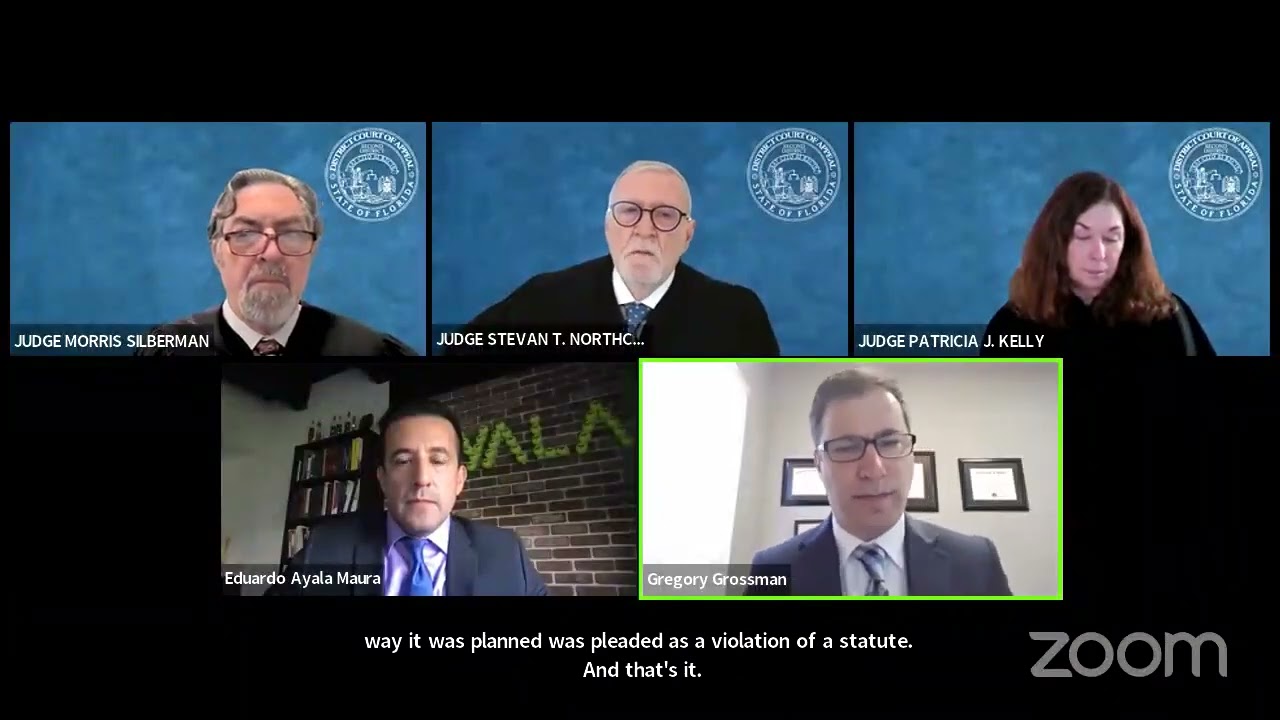
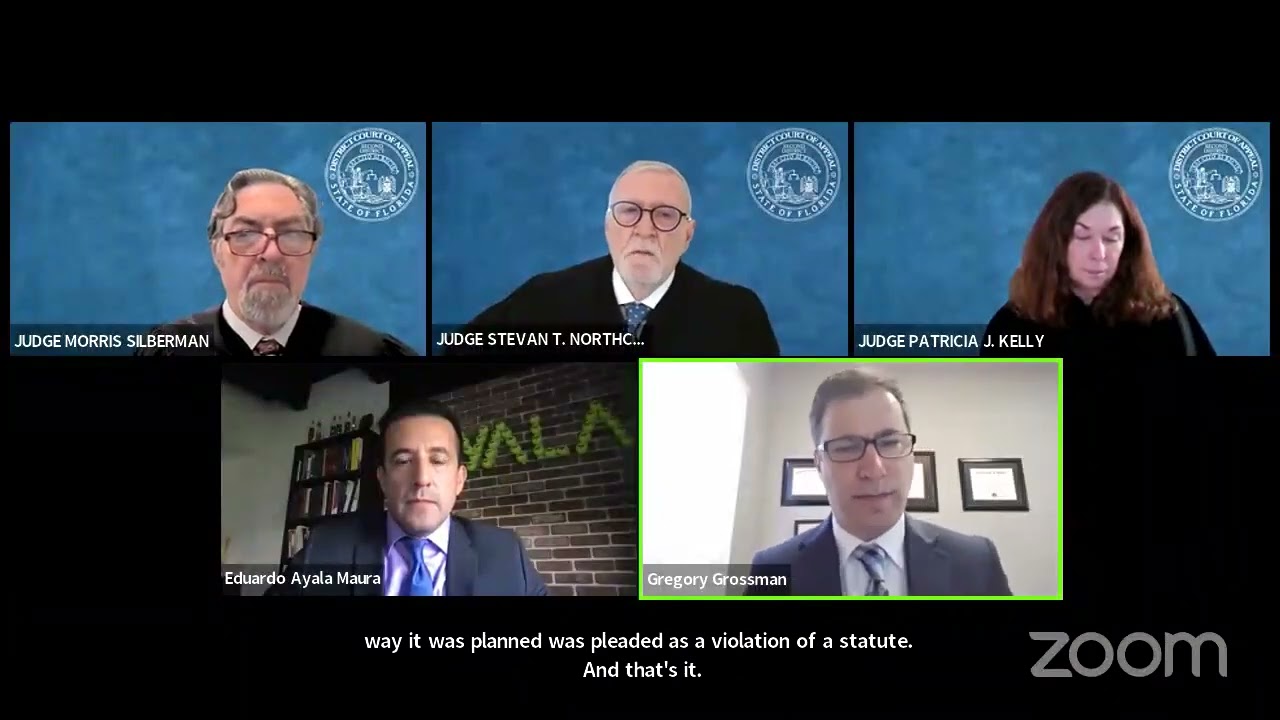
This is the recording of the actual oral argument, posted on the channel. What lawyers and judges say at argument is not the ruling; the decision is summarized above.
Homeowner v. HOA | Johnson v. Carrol Oaks, 2D24-0631
Go Deeper
- Bought at a Foreclosure Sale, Sold It, and Still Had a Live HOA Dispute (Viera East)
- Can a Later Amendment Extend Deed Restrictions on Land Already Sold? (Fiore v. Hilliker)
- Florida Condo Owners' Rights: Special Assessments, Records, and Disputes With the Association
Frequently Asked Questions
Can my HOA make me pay its attorney fees if I sue over towing?
Not automatically. In Johnson v. Carroll Oaks HOA (2025), the Second District reversed a fee award against an owner who lost her towing suit, because the declaration’s fee clause did not cover a dispute that turned on the state towing statute. Fees depend on the exact wording of the governing documents and any statute that applies.
Does a Florida HOA have to post tow-away signs before towing?
Generally yes. Section 715.07 requires posted notice meeting size and placement rules, but it excuses signs when the vehicle owner was personally notified that the area is reserved and the car may be towed at the owner’s expense. In this case the trial court found parking documents given before closing were personal notice; that ruling was not appealed.
Does an HOA declaration fee clause cover every dispute with an owner?
No. Fee clauses are read by their words and strictly construed. The Second District held that a clause allowing fees to the party enforcing the declaration did not reach a towing case decided under a statute, even though the parties were the association and a member.
Who pays attorney fees in a Florida HOA lawsuit?
Each side pays its own unless a statute or contract shifts fees. Section 720.305(1) gives fees to the prevailing party in actions to enforce chapter 720, the governing documents, or association rules, and many declarations have their own fee clauses. Whether either applies depends on what the lawsuit is actually about.
Talk to a Florida HOA dispute lawyer
Weidner Law, P.A. handles homeowners association, covenant and community disputes from St. Petersburg. If you need a property dispute lawyer, call (727) 954-8752 or email weidner@mattweidnerlaw.com.
Read the law yourself, free: every Florida statute and court rule is on floridarules.net.
This article is general information about Florida law, not legal advice about your situation. Reading it, watching the videos, or contacting the firm does not create an attorney-client relationship. Every case turns on its own facts, and past results do not guarantee a similar outcome. The hiring of a lawyer is an important decision that should not be based solely upon advertisements.
