

In short: In 2010 servicer employees admitted signing thousands of foreclosure affidavits a month without reading them. Florida foreclosure firms withdrew affidavits, and the Florida Supreme Court required residential foreclosure complaints to be verified. In 2013 the Legislature required plaintiffs to certify possession of the original note. Fraud on the court remains a defense when false documents are used.
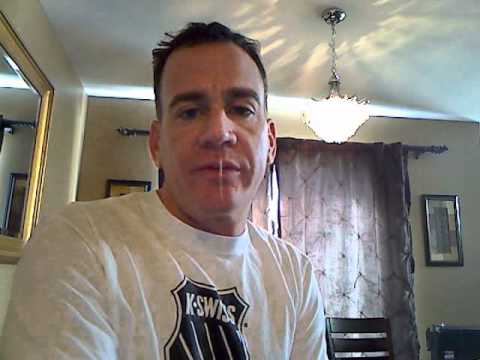
Matt Weidner was in Florida’s foreclosure courtrooms when the robo-signing scandal broke. The videos below were recorded as it happened.
What Happened
In September 2010, a deposition of a GMAC Mortgage employee revealed he signed roughly 10,000 foreclosure documents a month without personally verifying the facts. GMAC and other servicers paused foreclosures in judicial states. In Florida, one of the largest foreclosure firms withdrew affidavits signed by that employee, and the Law Offices of David J. Stern, once the state’s largest foreclosure mill, collapsed in 2011. In 2012, the five largest servicers entered the $25 billion National Mortgage Settlement with federal and state officials.
What Changed in Florida
- Verified complaints (2010): the Florida Supreme Court amended Rule 1.110(b) to require residential foreclosure complaints to be verified.
- Original note certification (2013): the Legislature enacted § 702.015, requiring the plaintiff to certify possession of the original note or plead the lost-note elements, and to file the original before judgment.
- Deficiency limits (2013): the same law shortened the time to sue for a deficiency on one- to four-family residential property to one year.
Fraud on the Court
When a party knowingly uses false documents or testimony to deceive the court, the court can dismiss the case. Florida courts reserve that sanction for clear and convincing proof of a scheme calculated to interfere with the court’s ability to decide fairly. Backdated assignments, fabricated endorsements, and false affidavits have all been litigated under that standard.
Why It Still Matters
The rules adopted after 2010 are now routine, and courts are moving foreclosure cases faster. Defenses based on standing and document integrity still win when the records don’t add up, but they must be raised and proven with evidence.
Watch: the videos behind this article
Just How Deep Will The Foreclosure/Robo Signer Controversy Go?
The Foreclosure Robo Signer Scandal is a Crisis of Confidence in Our Courts
The Jeffrey Stephan Fiasco is Just The Tip Of The Iceberg!
More Short Videos on This Issue



Watch the Real Appellate Arguments
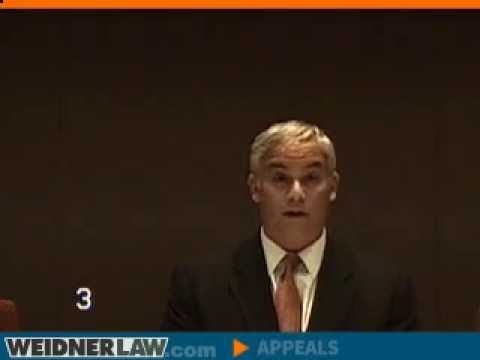
These are recordings of actual Florida appellate arguments over fraud on the court and irregular documents in foreclosure cases, posted on the channel. An argument is not a ruling: read the written opinion before relying on any outcome.
Fraud on The Court in Foreclosure and Irregular Documents at Trial
Backdated Assignment, Then a Voluntary Dismissal: Can Foreclosure Fraud Escape Sanctions?
Tampa Home Foreclosure Trial Attorney Lawyer Lawsuit Defense "ROBOSIGNING" MORTGAGE SELLOUT
Go Deeper
- Foreclosure Standing on Appeal in Florida: Watch the Arguments Over Who Owns the Note
- Ruffenach v. Deutsche Bank- ALL THE BRIEFS HERE!
Frequently Asked Questions
What was robo-signing?
The practice, revealed in 2010, of servicer employees signing foreclosure affidavits in bulk without personal knowledge of the facts.
Do Florida foreclosure complaints have to be verified?
Yes. Since 2010, residential foreclosure complaints must be verified under Rule 1.110(b).
What does § 702.015 require?
The plaintiff must certify possession of the original note or plead the lost-note elements, and file the original before judgment.
Can a foreclosure be dismissed for fraud on the court?
Yes, with clear and convincing proof that a party knowingly used false evidence to interfere with the court’s ability to decide the case fairly.
Talk to a Florida foreclosure lawyer
Weidner Law, P.A. has defended Florida homeowners in foreclosure for more than 25 years. If you need a foreclosure lawyer in St. Petersburg, call (727) 954-8752 or email weidner@mattweidnerlaw.com.
Read the law yourself, free: Florida’s foreclosure statutes (Chapter 702) and judicial sales (Chapter 45), and every Florida rule on floridarules.net.
This article is general information about Florida law, not legal advice about your situation. Reading it, watching the videos, or contacting the firm does not create an attorney-client relationship. Every case turns on its own facts, and past results do not guarantee a similar outcome. The hiring of a lawyer is an important decision that should not be based solely upon advertisements.
