
In short: Not if the clause is ambiguous. Florida enforces an exculpatory clause only when it clearly and unequivocally says what liability the tenant is giving up. In Obsessions in Time, Inc. v. Jewelry Exchange Venture, LLLP, a booth tenant alleged a landlord’s employee let an unauthorized person empty its goods from the shared vault. On May 9, 2018, the Third District reversed the dismissal of the tenant’s claims, holding the lease’s clause was ambiguous because it disclaimed all liability while also promising ordinary care to keep strangers out of the vault.
The Facts
In May 2009 Obsessions in Time leased a booth at the Jewelry Exchange in Miami-Dade County to sell classic watches and other valuables. The landlord provided a master safe for the tenants, and its lease required valuables to be in the vault within one hour after closing.
Obsessions alleged that a Jewelry Exchange employee let an unauthorized person into the safe to remove its items, a loss it put at more than $2 million. It sued the landlord for breach of contract and negligence, among other claims against others. The trial court dismissed those two claims with prejudice based on the lease’s exculpatory clause, and Obsessions appealed.
Paragraph 37 of the lease said the landlord was not a bailee and was not liable for loss to vault contents “caused by burglary, fire, or any cause whatsoever.” The same paragraph said the landlord’s “sole liability” was “limited to the exercise of ordinary care to prevent the opening of said vault” by anyone other than the tenant or its authorized agent. At the April 2018 argument:
- The tenant argued the sentences cancel each other out, so a reasonable person could not tell what was waived, and that exculpatory clauses must be clear and unambiguous. It relied on Sunny Isles Marina, Inc. v. Adulami. It also complained that the trial court signed the landlord’s proposed order verbatim within the hour.
- The landlord argued the ordinary-care sentence described only a performance standard, not liability, and that the lease said repeatedly the landlord was not liable and required tenants to insure their own goods. It said the business could not operate if it were liable for the inventory in the vault.
- The panel asked why the lease would define the landlord’s “sole liability” as ordinary care if the tenant could never sue for any reason.
The Decision
The Third District reversed in a written opinion on May 9, 2018. It held the exculpatory clause was ambiguous: while purporting to relieve the landlord of all liability, it also imposed a duty to use ordinary care to prevent unauthorized opening of the vault, and potential liability if the landlord failed to use that care.
Exculpatory clauses are disfavored and strictly construed against the party relying on them. Reading the clause to bar all liability would make the ordinary-care sentence meaningless, and reading the whole lease did not resolve the conflict. Because the clause was not clear and unequivocal, it could not support dismissal. The court sent the case back for further proceedings and did not reach the tenant’s other arguments, including the verbatim proposed order. The mandate issued May 29, 2018.
The Law
Under Sanislo v. Give Kids the World, Inc., 157 So. 3d 256 (Fla. 2015), an exculpatory clause is enforceable only if its intent to release a party from liability is clear and unequivocal, so that an ordinary person knows what is being given up. The Third District applied the same rule in Sunny Isles Marina, Inc. v. Adulami, 706 So. 2d 920 (Fla. 3d DCA 1998).
Courts read a contract as a whole and try to give meaning to every provision. When one sentence takes away all liability and another promises reasonable care, a court may find the two irreconcilable and refuse to enforce the release, as the Third District did here, citing similar results in Murphy v. YMCA of Lake Wales and Brooks v. Paul.
The dismissal of some claims while others remained pending was reviewable as a partial final judgment under Florida Rule of Appellate Procedure 9.110(k). Contract interpretation on a motion to dismiss is reviewed de novo.
Lessons
- Landlords who want a release must say it one way. A clause that both disclaims all liability and promises reasonable care invites a court to refuse to enforce the release.
- Tenants who store valuables on a landlord’s premises should read the exculpatory, bailment and insurance clauses together and insure their goods.
- A complaint can survive a motion to dismiss on an ambiguous release. The fight then moves to the facts.
- Ambiguity is construed against the drafter. In this case the landlord drafted the lease.
Source: Obsessions in Time, Inc. v. Jewelry Exchange Venture, LLLP, No. 3D16-2620 (Fla. 3d DCA May 9, 2018); ACIS docket.
Watch the Oral Argument
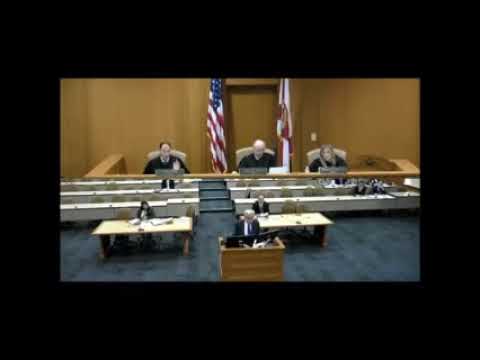
This is the recording of the actual oral argument, posted on the channel. What lawyers and judges say at argument is not the ruling; the decision is summarized above.
Ambiguous Exculpatory Clause in a Jewelry Booth Lease: Landlord Liable for a $1M Vault Loss?
Go Deeper
- Is a Landlord's "You Need to Relocate" Letter a Constructive Eviction? (In-Time v. Metromall)
- Commercial Lease Fights in Florida: Lockouts, Holdovers and One Word in the Lease
- "It Was Never Really a Lease": Estoppel Loses to the Written Terms (Bay Point Schools)
Frequently Asked Questions
Are exculpatory clauses enforceable in Florida commercial leases?
Yes, if they are clear and unequivocal. Florida courts disfavor them and construe them strictly against the party relying on them. In Obsessions in Time, the Third District refused to enforce a lease clause that was internally inconsistent.
Can my landlord be liable if my goods are stolen from the building?
It depends on the lease and the facts. A clear release can bar the claim, but in Obsessions in Time the lease also promised ordinary care to keep unauthorized people out of the vault, so the tenant’s negligence and contract claims were reinstated.
What makes a liability waiver ambiguous?
Language that pulls in two directions. Here one sentence said the landlord was not liable for loss from “any cause whatsoever,” while another limited its “sole liability” to ordinary care. The court held a reasonable person could not tell what was waived.
Can a case be dismissed based on a lease's no-liability clause?
Yes, when the clause is clear, because contract interpretation is a question of law. When the clause is ambiguous, dismissal is improper, as the Third District held in reversing the dismissal with prejudice in Obsessions in Time.
Talk to a Florida real estate litigation lawyer
Weidner Law, P.A. handles Florida real estate disputes, title problems and appeals from St. Petersburg. If you need a real estate litigation lawyer, call (727) 954-8752 or email weidner@mattweidnerlaw.com.
Read the law yourself, free: every Florida statute and court rule is on floridarules.net.
This article is general information about Florida law, not legal advice about your situation. Reading it, watching the videos, or contacting the firm does not create an attorney-client relationship. Every case turns on its own facts, and past results do not guarantee a similar outcome. The hiring of a lawyer is an important decision that should not be based solely upon advertisements.
