
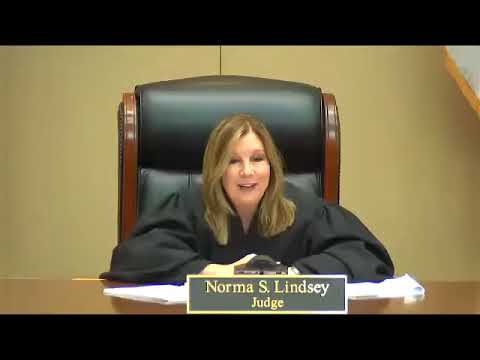
In short: It depends on the lease, and a tenant that misses a lease deadline tied to its termination right can lose that right. In Walgreen Co. v. 947 Lincoln Road Holdings, LLC, Walgreens argued its Miami Beach landlord breached a duty to use commercially reasonable good-faith efforts to get historic board approvals for a 24-hour store, and that fact disputes barred summary judgment. The landlord argued Walgreens gave up termination by not applying for a building permit within 30 days. On May 25, 2022, the Third District affirmed the judgment for the landlord without a written opinion.
The Facts
According to the record described at argument, Walgreens leased space in a historic building at 947 Lincoln Road in Miami Beach for a store. Under the lease, the landlord had to use commercially reasonable good-faith efforts to obtain approvals from the City’s Historic Preservation Board so Walgreens could get a building permit. Walgreens then had to apply for a building permit within 30 days after the landlord gave notice that it had obtained the approvals.
The board approved the project. Walgreens did not apply for a permit within 30 days. Counsel said that more than a year later the City changed its zoning rules and applied them to projects that did not yet have permits, and Walgreens said its permit was then denied. Walgreens sought to end the lease, and the trial court entered summary judgment for the landlord. Walgreens appealed, and a second appeal was consolidated into this one. The points below come from the May 3, 2022 argument, not from findings by the court:
- Walgreens argued the landlord’s presentation to the board described a specialty space open limited hours and not at peak traffic times, when the lease called for a 24-hour Walgreens. It argued those were affirmative misstatements, that whether the landlord used commercially reasonable efforts is a question of fact, and that the lease’s anti-waiver clause and preserved common-law rights let it terminate for the landlord’s breach.
- It also argued that whether it waived termination by not seeking the permit was a fact question, pointing to emails showing the parties discussed letting existing tenants stay longer.
- The landlord argued the lease clearly took away Walgreens’ right to terminate for a zoning change if it did not apply for a permit within 30 days, that Walgreens knew or should have known everything said at the public hearings, and that nothing showed its statements caused the City to change the zoning.
- The panel asked about the lease’s confidentiality provision, which kept the tenant’s name out of the application, and whether the missing name rather than the hours caused any problem.
The Decision
The Third District affirmed on May 25, 2022, in a per curiam decision without a written opinion. The mandate issued June 13, 2022. The docket shows no rehearing or further review.
Because there is no opinion, the affirmance does not tell us whether the court relied on the 30-day permit provision, on waiver, on causation, or on some other ground. It means the judgment for the landlord stands in this case.
The Law
A lease is a contract, and courts enforce clear terms as written. A promise to use “commercially reasonable” or “good faith” efforts is a real obligation, but whether a party met it often turns on facts, which is why Walgreens argued the issue belonged to a jury.
Waiver is the voluntary giving up of a known right. It can be shown by conduct, and a lease’s anti-waiver clause can affect whether delay counts as waiver. A specific clause that conditions a remedy, like termination, on the tenant meeting a deadline can be enforced on its own terms.
Summary judgment is decided under rule 1.510. Current law (2026): Florida adopted the federal summary judgment standard for motions decided on or after May 1, 2021, so the question is whether the evidence shows a genuine dispute of material fact that a reasonable jury could resolve for the non-moving party. Counsel at this argument referred to the old standard.
Lessons
- Calendar every lease deadline that protects a remedy. Missing a 30-day permit window was the landlord’s central argument here.
- If a landlord is seeking approvals for your use, review what it files and says at the hearing. The landlord argued the tenant was bound by what was said publicly.
- Confidentiality clauses that keep a tenant’s name out of approval applications can create later disputes about what the board actually approved.
- A per curiam affirmance resolves this case only. It is not a ruling on what commercially reasonable efforts require.
Watch the Oral Argument
This is the recording of the actual oral argument, posted on the channel. What lawyers and judges say at argument is not the ruling; the decision is summarized above.
Commercially Reasonable Efforts to Win Historic Board Approval: Lease Breach or Tenant Waiver?
Read the Law on FloridaRules.net
The statutes and court rules discussed in this article, free to read on FloridaRules.net:
Go Deeper
- Is a Landlord's "You Need to Relocate" Letter a Constructive Eviction? (In-Time v. Metromall)
- Commercial Lease Fights in Florida: Lockouts, Holdovers and One Word in the Lease
- Driftwood Historic Designation Causes Problems for Homeowners
Frequently Asked Questions
What does 'commercially reasonable efforts' mean in a Florida lease?
It is a promise to make real, good-faith efforts that a reasonable business would make, but not a guarantee of the result. Whether a party met the standard usually depends on the facts. In Walgreen v. 947 Lincoln Road, the tenant argued the landlord’s board presentation fell short, but the judgment for the landlord was affirmed without an opinion.
Can a commercial tenant terminate a lease if a zoning change blocks its use?
Only if the lease or the law gives that right, and on the lease’s conditions. In this case the landlord argued the lease let Walgreens terminate for a zoning change only if it applied for a building permit within 30 days of the approvals, which it did not do.
Can I waive a lease right by not acting on time?
Yes, a missed deadline or conduct showing you gave up a known right can waive it, though an anti-waiver clause may help. Waiver is often a fact question, but a clause that conditions a remedy on meeting a deadline may be enforced as written.
Is summary judgment possible in a commercial lease dispute?
Yes, when the lease is clear and there is no genuine dispute of material fact. Under the current version of rule 1.510, Florida follows the federal summary judgment standard. Walgreens argued fact issues remained, but the summary judgment for the landlord was affirmed.
Talk to a Florida real estate litigation lawyer
Weidner Law, P.A. handles Florida real estate disputes, title problems and appeals from St. Petersburg. If you need a real estate litigation lawyer, call (727) 954-8752 or email weidner@mattweidnerlaw.com.
Read the law yourself, free: every Florida statute and court rule is on floridarules.net.
This article is general information about Florida law, not legal advice about your situation. Reading it, watching the videos, or contacting the firm does not create an attorney-client relationship. Every case turns on its own facts, and past results do not guarantee a similar outcome. The hiring of a lawyer is an important decision that should not be based solely upon advertisements.
