
In short: It can be, when the lease gives the landlord sole control over the place the problem comes from. In Hale v. Sleiman Enterprises, Inc., a restaurant manager slipped on water from a roof leak at a Duval County property where the lease let only the landlord or its roofer go on the roof. The trial court ruled the landlord owed no duty. On June 5, 2026, the Fifth District reversed, holding the landlord owed a duty of reasonable care to timely investigate the leak.
The Facts
Scott Hale managed a Domino’s Pizza restaurant in a building leased from Sleiman Enterprises, Inc. in Duval County. Water began leaking from the roof into the kitchen. Hale put garbage cans under the leak and Domino’s reported it to the landlord.
The lease allowed only the landlord or its designated roofing contractor on the roof, so Domino’s did not inspect it. About a week later Hale saw no active leak, found the floor under the cans dry, and removed them. Shortly afterward he slipped on a wet spot while walking past the oven toward the refrigerator. He testified he did not see the water before he fell.
Hale sued the landlord for premises liability. The landlord moved for summary judgment, arguing the water came from a defective hood vent that the lease required Domino’s to maintain, so the landlord owed Hale no duty. Hale answered that the landlord had exclusive control of roof access, so Domino’s could not find or fix the source of the leak without it. The trial court granted summary judgment for the landlord, and Hale appealed.
The Decision
The Fifth District reversed and remanded in a written opinion on June 5, 2026. Whether a duty exists is a question of law, and a duty arises when a defendant’s conduct creates a foreseeable zone of risk that poses a general threat of harm to others.
The lease terms are part of the facts that bear on duty. Here the lease kept the tenant off the roof and reserved that access to the landlord. Because only the landlord could investigate the leak, it owed Hale a duty of reasonable care to timely investigate the cause. The tenant’s lease duty to maintain the hood vent might matter to other issues in the case, such as fault, but it did not erase the landlord’s duty.
In a footnote, the court rejected the argument that the danger was open and obvious. An obvious hazard can discharge a duty to warn, but not the separate duty to keep the property reasonably safe. The case returns to the trial court; the opinion decides that a duty existed, not that the landlord is liable.
The Law
Florida negligence law starts with duty. Under McCain v. Florida Power Corp., 593 So. 2d 500 (Fla. 1992), a duty arises when a defendant’s conduct foreseeably creates a broader zone of risk. Under Clay Electric Cooperative, Inc. v. Johnson, 873 So. 2d 1182 (Fla. 2003), a contract such as a lease is one of the sources a court looks to in deciding whether a duty exists.
As a general rule, a commercial landlord that has turned possession and control over to a tenant is not responsible for conditions inside the leased space. Hale shows the exception that matters: control. When the lease reserves to the landlord the right and responsibility to deal with part of the building, such as the roof, the landlord can owe a duty to people injured by conditions coming from that part.
The case was decided on summary judgment under rule 1.510, which allows judgment only when there is no genuine dispute of material fact and the moving party is entitled to judgment as a matter of law.
Lessons
- Landlords: a lease that reserves roof access or repairs to you can also create a duty to act promptly when the tenant reports a leak.
- Tenants: report leaks and other building problems to the landlord in writing, and keep the report. The notice was central here.
- Read the maintenance and access clauses together. A tenant’s duty to maintain one item does not necessarily relieve the landlord of duties tied to areas only it controls.
- An open and obvious hazard does not end a premises case in Florida; the duty to keep the property reasonably safe can remain.
Source: Hale v. Sleiman Enterprises, Inc., No. 5D2024-2944 (Fla. 5th DCA June 5, 2026) (reversed and remanded); Fifth District docket.
Watch the Oral Argument
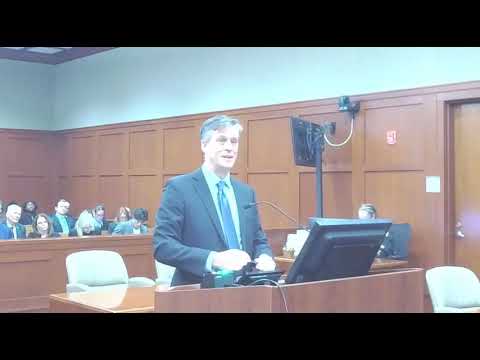
This is the recording of the actual oral argument, posted on the channel. What lawyers and judges say at argument is not the ruling; the decision is summarized above.
Big Real Estate Company Gets Sued! Scott Hale v. Sleiman Enterprises | 5th DCA 5D2024-2944
Read the Law on FloridaRules.net
The statutes and court rules discussed in this article, free to read on FloridaRules.net:
Go Deeper
- Leaky Roof Killed the Deli: Lost Profits, Not Market Value (Katz Deli v. Waterways Plaza)
- Is a Landlord's "You Need to Relocate" Letter a Constructive Eviction? (In-Time v. Metromall)
- Apartment Lease Arbitration Clause Covers a Tenant's Common-Area Fall (Mid-America v. Gonzalez)
Frequently Asked Questions
Can I sue my employer's landlord if I slip on water from a roof leak?
Possibly. In Hale v. Sleiman, the restaurant manager was a tenant’s employee, and the Fifth District held the landlord owed him a duty of reasonable care because the lease gave the landlord exclusive control over roof access. Liability still depends on proving breach, causation and damages at trial.
Is a commercial landlord responsible for roof leaks in Florida?
It depends on the lease and who controls the roof. Where the lease reserves roof access and repairs to the landlord, Hale holds the landlord owes a duty to timely investigate a reported leak. A lease that puts the roof on the tenant may produce a different result.
Does a tenant's duty to maintain equipment protect the landlord from liability?
Not by itself. The Sleiman lease made the tenant maintain the hood vent the landlord blamed for the leak, but the court said that clause did not relieve the landlord of its own duty. It may still matter to comparative fault and other issues.
Does an open and obvious hazard bar a slip-and-fall claim in Florida?
No, not entirely. An obvious danger may satisfy the owner’s duty to warn, but it does not discharge the separate duty to keep the premises reasonably safe. The Fifth District applied that rule in a footnote in Hale.
Talk to a Florida real estate litigation lawyer
Weidner Law, P.A. handles Florida real estate disputes, title problems and appeals from St. Petersburg. If you need a real estate litigation lawyer, call (727) 954-8752 or email weidner@mattweidnerlaw.com.
Read the law yourself, free: every Florida statute and court rule is on floridarules.net.
This article is general information about Florida law, not legal advice about your situation. Reading it, watching the videos, or contacting the firm does not create an attorney-client relationship. Every case turns on its own facts, and past results do not guarantee a similar outcome. The hiring of a lawyer is an important decision that should not be based solely upon advertisements.
