
In short: In Stav Software v. Lederman Investments, a buyer under contract for a Miami Beach home sued for specific performance after the seller, with the closing date passed, sold the house to a land trust. The trial court ruled the contract lapsed when closing did not happen on the set date. On May 29, 2024, the Third District reversed the summary judgment on specific performance, holding that texts and testimony created a fact question about whether the parties agreed to extend the closing.
The Facts
Lederman Investments, LLC agreed to sell a single-family home at 5979 Alton Road in Miami Beach to Stav Software, LLC. The seller’s mortgage lender had started foreclosure. Days before the closing date, the seller asked Stav whether it would extend closing so the seller could get a better payoff arrangement with the lender. The parties exchanged texts about an extension, but no formal signed modification was ever completed.
After the original closing date passed, the seller conveyed the property to the 5979 Alton Road Land Trust Dated August 8, 2020. Stav sued the Trust for specific performance and also sued for tortious interference. The trial court granted the Trust summary judgment, ruling that Stav’s contract lapsed when closing did not occur on the set date.
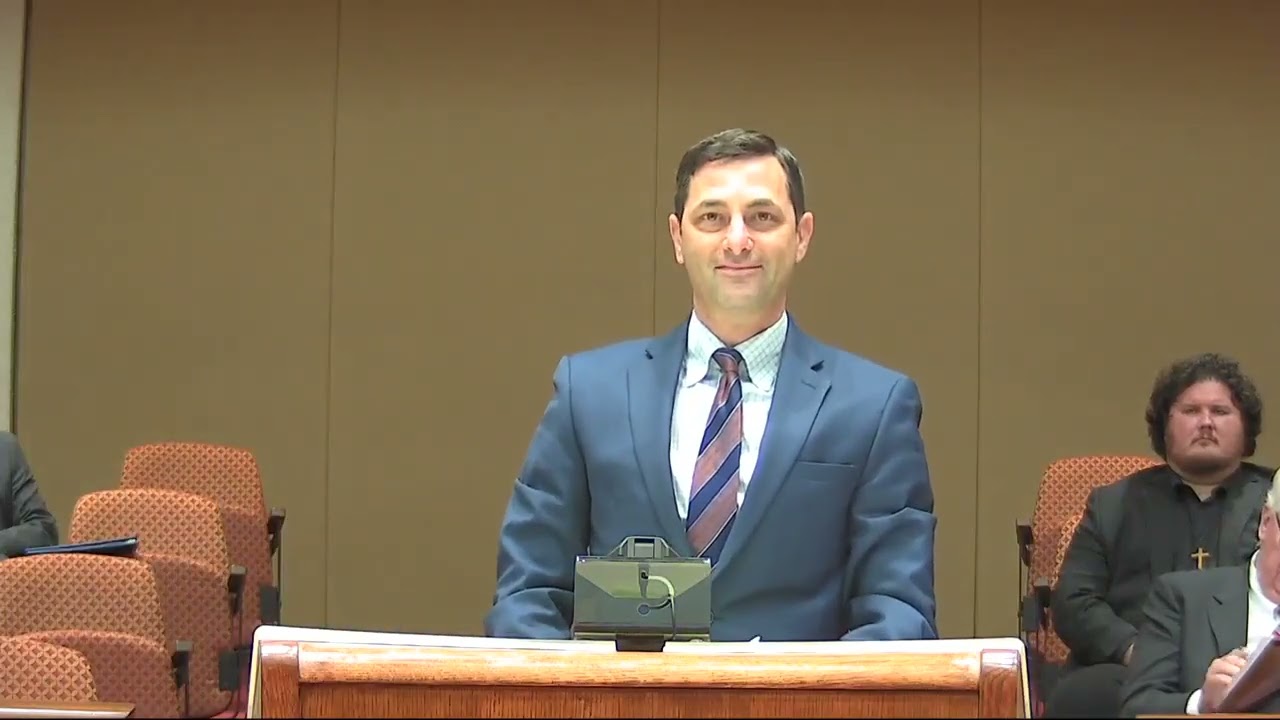
At oral argument, the points below were what the lawyers argued, not findings by the court:
- Stav’s counsel, Omar K. Ibrahem, argued the contract was a standard Florida Realtors/Florida Bar form with a specific performance remedy, that Florida cases allow parties to extend a closing date by agreement even when the contract says changes must be in writing, and that the Trust never pleaded the statute of frauds.
- The Trust’s counsel, Marlon Jay Weiss, argued the Trust was an arm’s-length backup buyer, that the contract’s no-oral-modification clause controlled, and that even if closing was extended once, Stav had no evidence of an extension through the date the Trust bought.
- The panel pointed to a text in which Stav’s representative announced a new closing date and the seller’s representative thanked him, and asked why that, plus continued negotiations, did not create a fact question.
The Decision
In an opinion filed May 29, 2024, the Third District reversed the summary judgment on the specific performance claim, affirmed the summary judgment on the tortious interference claim without discussion, and remanded for further proceedings. Stav’s motions for rehearing were denied on July 8, 2024.
The court explained that a buyer who takes with knowledge of a prior contract to sell can face specific performance, but only if the earlier contract is valid. Stav’s contract required modifications to be in writing and signed. Even so, a written contract can in some circumstances be modified by a later oral agreement or by the parties’ conduct, despite a clause forbidding that, and whether that happened is a question of fact.
Stav pointed to texts and deposition testimony indicating the parties verbally agreed to extend closing to August 17; the Trust pointed to a text from the seller saying it did not agree to any extension. That conflict was a genuine dispute of material fact, so summary judgment was improper. The court did not decide whether the closing was in fact extended.
The Law
The opinion relied on Henley v. MacDonald, 971 So. 2d 998 (Fla. 4th DCA 2008), for the rule that a written contract may be modified by a subsequent oral agreement even when it says it cannot be, and on Kiwanis Club of Little Havana, Inc. v. de Kalafe, 723 So. 2d 838 (Fla. 3d DCA 1998), for the rule that whether a contract was modified orally or by course of dealing is for the jury. On specific performance against a later buyer with notice, it cited Hallmark Builders, Inc. v. Hickory Lakes of Brandon, Inc., 458 So. 2d 45 (Fla. 2d DCA 1984).
The statute of frauds, section 725.01, generally requires a contract for the sale of land to be in a writing signed by the party to be charged. The Trust did not plead it, and the argument focused instead on the contract’s own writing requirement.
Summary judgment in this case was decided under the current Rule 1.510, which since May 1, 2021 follows the federal standard. Even under that standard, when the evidence would let a reasonable factfinder go either way, the case goes to trial.
Lessons
- Put every closing extension in a signed addendum. Texts and phone calls invite exactly this kind of lawsuit.
- A no-oral-modification clause is not a guarantee. Florida courts may still find the parties changed the deal by words or conduct.
- Sellers who keep talking with a buyer after the closing date passes may be treated as keeping the contract alive.
- Backup buyers who know about an earlier contract take a risk. If the first contract was still valid, the first buyer may be able to force the sale.
- Buyers asserting a contract should record a notice or lis pendens promptly when a dispute arises, to protect against a later conveyance.
Source: Stav Software, LLC v. Lederman Investments, LLC, No. 3D23-0361 — Fla. 3d DCA opinion (May 29, 2024); ACIS docket 3D2023-0361 (rehearing denied July 8, 2024).
Watch the Oral Argument
This is the recording of the actual oral argument, posted on the channel. What lawyers and judges say at argument is not the ruling; the decision is summarized above.
🚨 Contract Lapsed at Midnight on Closing Day? Buyer Says the Seller Kept Extending. Florida Appeal
Go Deeper
- A $10 Million Land Deal That Never Closed: Buyer Loses on Appeal (Pine Grove v. Robert Diesel)
- A Contract Remedy That Wasn’t Exclusive: Specific Performance Survives (Regents Park v. KAI Properties)
- What Happens at a Florida Real Estate Closing: Costs, Liens, and Whether You Need a Lawyer
Frequently Asked Questions
Does a Florida real estate contract automatically end if closing does not happen on the closing date?
Not necessarily. In Stav Software v. Lederman (2024), the Third District held that evidence the parties agreed to extend closing, even by text and conversation, created a fact question that kept the buyer’s specific performance claim alive.
Can a closing date be extended by text message or verbally in Florida?
It can, in some circumstances, even when the contract says changes must be in writing and signed. Florida courts treat whether the parties modified the contract orally or by conduct as a fact question. A signed addendum is still the safe way to do it.
Can a buyer force a sale after the seller sells to someone else?
A buyer may get specific performance against a later purchaser who knew about the earlier contract, but only if the earlier contract was valid. In Stav Software, that question has to be tried because the extension was disputed.
What is a no-oral-modification clause?
It is a contract term saying the agreement can be changed only in a signed writing. Florida courts enforce it in many cases, but they have also held that parties can waive or modify it by later agreement or conduct, as the Third District recognized in Stav Software.
Talk to a Florida real estate litigation lawyer
Weidner Law, P.A. handles Florida real estate disputes, title problems and appeals from St. Petersburg. If you need a real estate litigation lawyer, call (727) 954-8752 or email weidner@mattweidnerlaw.com.
Read the law yourself, free: every Florida statute and court rule is on floridarules.net.
This article is general information about Florida law, not legal advice about your situation. Reading it, watching the videos, or contacting the firm does not create an attorney-client relationship. Every case turns on its own facts, and past results do not guarantee a similar outcome. The hiring of a lawyer is an important decision that should not be based solely upon advertisements.
