


In short: Standard Florida mortgages let the lender protect the property if the borrower defaults or abandons it, including changing locks and securing doors. That clause doesn’t authorize entering an occupied home or taking your belongings. If contractors break in while you live there, document everything, notify the servicer in writing that the home is occupied, and consider trespass and conversion claims.
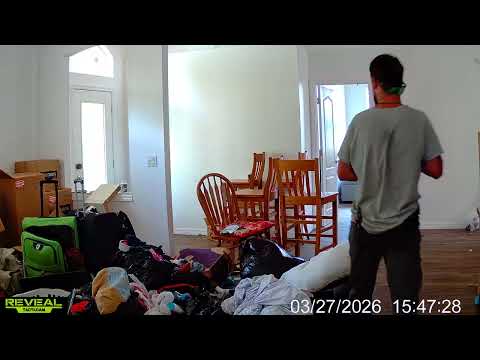
The videos below show bank-hired contractors inside and outside homes, one with a gun drawn, and police declining to intervene because "the bank can do this." The bank’s right is narrower than that.
What the Mortgage Says
Standard Fannie Mae and Freddie Mac mortgages contain a "protection of lender’s interest" clause. If the borrower fails to perform or abandons the property, the lender may do what is reasonable to protect its interest, including entering to make repairs, change locks, board up openings, and drain pipes. A separate clause permits reasonable inspections, with notice for an interior inspection.
The Key Word Is Abandoned
Property preservation companies decide a house is vacant from a drive-by: overgrown grass, no car, a notice on the door. They are often wrong. An occupied home is not abandoned, and the mortgage doesn’t authorize forced entry into a home where people live. Even for a vacant home, the mortgage is a contract right, not a license to take or destroy personal property.
Possible Claims
- Trespass for an unauthorized entry.
- Conversion for belongings removed or thrown out.
- Breach of contract when the servicer goes beyond what the mortgage allows.
- Mortgage servicing claims under federal Regulation X when a servicer mishandles an occupied loan and ignores a notice of error.
What to Do Now
- Post a notice on the door that the home is occupied, with your phone number.
- Send the servicer a written notice that the property is occupied and not abandoned, and keep proof of delivery.
- Install cameras and keep the footage.
- Call law enforcement and ask for a report even if officers say it is civil.
- Photograph and list any damaged or missing property.
- Talk to a lawyer before signing any release the servicer sends.
The Other Side of the Problem
Some foreclosed homes sit vacant for years after the bank fought to take them, as the 2013 videos below show. Those properties become code enforcement problems for the whole neighborhood.
Watch: the videos behind this article
FORECLOSED Homes Sit Vacant After The Banks Took Them Years Ago
FORECLOSED Home Sits Empty Years After The Banks Fought To Take It
More Short Videos on This Issue




Watch the Real Appellate Arguments
These are recordings of actual Florida appellate arguments over a lender’s entry into a house under the mortgage, posted on the channel. An argument is not a ruling: read the written opinion before relying on any outcome.
The Lender Entered the House — Paragraph 9, Abandonment, and a Trespass Claim
Fraudclosure, Bank Break Ins And The Fatally Desecrated State of Our Nation's Failed Court System
Go Deeper
- Mortgage Servicer Errors and RESPA: Building Your Case Before the Bank Files
- The Florida Foreclosure Process, Step by Step (From Default to Writ of Possession)
Frequently Asked Questions
Can my mortgage lender enter my house in Florida?
Standard mortgages allow reasonable inspections and, after default or abandonment, steps to protect the property. They don’t authorize forcing entry into an occupied home.
What is a property preservation company?
A contractor hired by a servicer to inspect, secure, and maintain properties it believes are vacant or in default.
What should I do if a bank contractor entered my home?
Document it, call law enforcement for a report, notify the servicer in writing that the home is occupied, and consult a lawyer about trespass and conversion claims.
Can the bank throw out my belongings?
Personal property is not the lender’s collateral. Removing it can support a conversion claim.
Talk to a Florida foreclosure lawyer
Weidner Law, P.A. has defended Florida homeowners in foreclosure for more than 25 years. If you need a foreclosure lawyer in St. Petersburg, call (727) 954-8752 or email weidner@mattweidnerlaw.com.
Read the law yourself, free: Florida’s foreclosure statutes (Chapter 702) and judicial sales (Chapter 45), and every Florida rule on floridarules.net.
This article is general information about Florida law, not legal advice about your situation. Reading it, watching the videos, or contacting the firm does not create an attorney-client relationship. Every case turns on its own facts, and past results do not guarantee a similar outcome. The hiring of a lawyer is an important decision that should not be based solely upon advertisements.
