
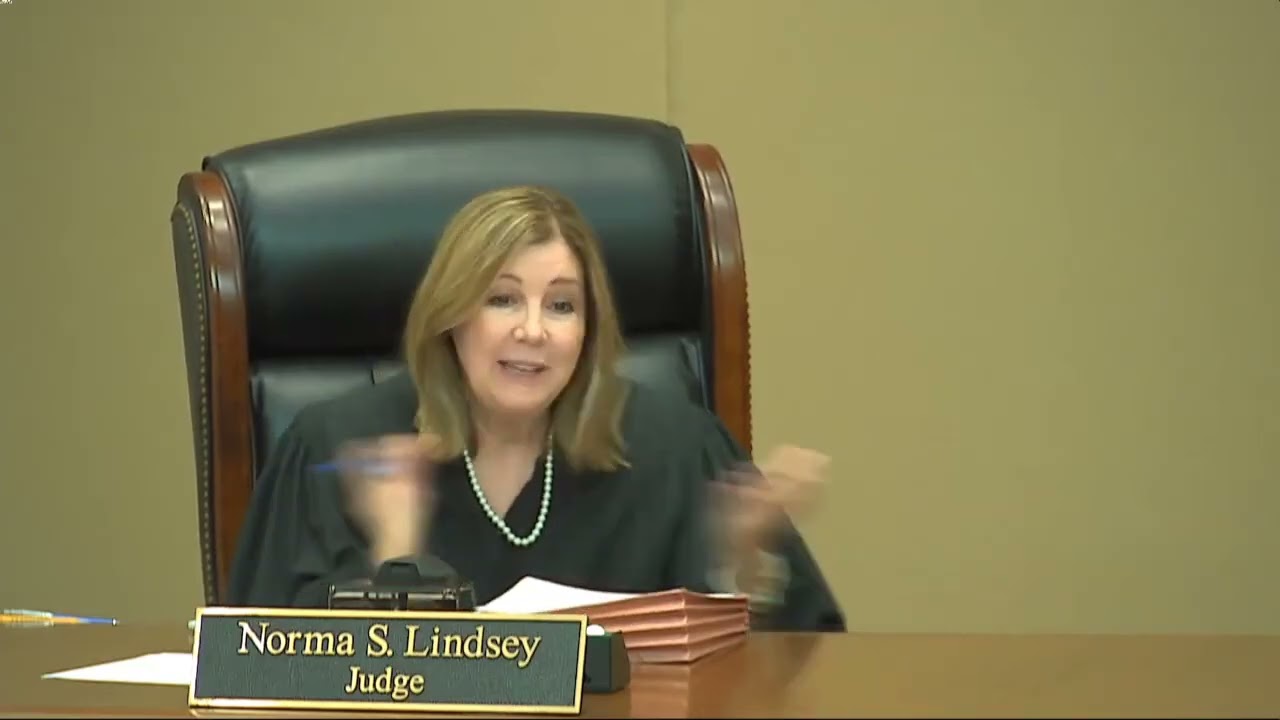
In short: It can when the recorded declaration gives it that right, and in Pollak v. De Soleil South Beach Association the foreclosure stood. Condo unit owners argued that a master association, which is not a condominium association and does not count individual owners as members, never had lien rights against their unit and could not add them by a 2016 amendment. The Third District affirmed the foreclosure judgment on November 23, 2022, without a written opinion.
The Facts
The building is a mixed-use property on Miami Beach. Counsel for the master association described it at argument as the Z Ocean Hotel, with a residential condominium whose units are rented nightly, retail space on the first floor, and a garage. De Soleil South Beach Association, Inc. is the master association over the whole property. It is a Florida not-for-profit corporation, not a condominium association, and its three members are the garage parcel owner, the commercial parcel owner and the residential condominium association.
Shlomo and Faye Z. Pollak bought a residential unit in 2006. According to the master association’s counsel, about 20 unit owners stopped paying master association assessments in 2016. In June 2016 the master association adopted a second amendment to its declaration, labeled a clarification, stating it could collect assessments directly from condominium unit owners and place liens on individual units. It then sued the Pollaks, and the Miami-Dade trial court entered a final judgment of foreclosure.
The Pollaks appealed (No. 3D2021-2043), and the case was argued on November 8, 2022. The points below are what the lawyers argued, not findings by the appellate court.
- The owners argued the 2006 master declaration never gave the master association a lien on individual units. Its lien and enforcement sections speak of parcels and defaulting owners, and in their reading only the three member parcels qualify.
- They argued that if the 2016 amendment created a new lien right, it was an unreasonable amendment, relying on a Fourth District case they called Holiday Pines, and that buyers must have notice of who can foreclose on their property.
- They also argued selective enforcement: the master association sued only a few of the non-paying owners and treated the case as a test case.
- The master association argued the right existed from the start. Its declaration defines owners to include the residential parcel, and defines the residential parcel to include the individual condominium units once the condominium declaration is recorded. It also pointed to a provision allowing it to have the residential association collect shared expenses only at its request.
- It argued the second amendment ended the case in any event, and that suing one or two owners first was a sensible use of limited funds, not selective enforcement.
The Decision
The Third District affirmed in a one-word per curiam opinion filed November 23, 2022. The same day it granted the master association’s motion for appellate attorney’s fees and sent the amount back to the trial court. The mandate issued December 9, 2022.
A per curiam affirmance with no opinion decides only this case. It leaves the foreclosure judgment in place, but it does not tell us whether the court relied on the original declaration, the 2016 amendment, or something else, and it is not a holding that every master association can foreclose on individual units.
The Law
A condominium association’s lien for unpaid assessments comes from section 718.116 of the Condominium Act, and the Act defines a unit in section 718.103. The master association’s lawyer walked the court from that statutory definition of a unit through the residential declaration to the master declaration’s definitions of owner and residential parcel.
A master association that is not itself the condominium association depends on the recorded documents it operates under. That is why the argument in Pollak was about defined terms, a plural ‘s’ in ‘condominium units,’ and whether a later amendment could add or only confirm lien rights. Florida courts generally test amendments to recorded covenants for reasonableness, which is the frame the owners used.
Unit owners also owe what their own condominium declaration says. The master association pointed out that the residential declaration defined annual assessments to include the master association’s shared expenses.
Lessons
- In a mixed-use building, read the master declaration as closely as the condominium declaration. The master entity’s powers may reach your unit even if you are not its member.
- A lien right can turn on definitions buried in the documents. Owners and associations should read the defined terms together, as the panel did at argument.
- Withholding assessments as a group protest carries real risk: lien foreclosure and the other side’s attorney’s fees, which the Third District awarded here.
- Associations short on money may prosecute one case first, but owners can still raise selective enforcement; here it did not carry the day.
- A per curiam affirmance resolves the case without explaining why, so it is weak authority for the next dispute.
Source: Pollak v. De Soleil South Beach Association, Inc., No. 3D21-2043 (Fla. 3d DCA Nov. 23, 2022) (per curiam affirmed); ACIS docket, No. 3D2021-2043.
Watch the Oral Argument
This is the recording of the actual oral argument, posted on the channel. What lawyers and judges say at argument is not the ruling; the decision is summarized above.
Can a Non-Condominium Master Association Lien and Foreclose an Individual Condo Unit?
Go Deeper
- Can a Master Association Strip Condo Owners' Rights by Amendment? (De Soleil v. Perrin)
- HOA and Condo Association Foreclosure in Florida: Notice Rules and Defenses
- Can a Shared-Garage Owner Charge Condo Residents Without a Written Rule? (Estoril v. Mayfield)
Frequently Asked Questions
Can a master association put a lien on my condo unit in Florida?
It depends on the recorded documents. A condominium association’s lien comes from section 718.116, but a separate master association’s rights come from the master declaration. In Pollak v. De Soleil South Beach Association, the trial court entered a foreclosure judgment for a non-condominium master association and the Third District affirmed without an opinion.
Can an association amend the declaration to add lien rights after I bought my unit?
Declarations usually allow amendment, but owners can challenge an amendment as unreasonable or beyond what the documents permit. The Pollaks made that argument against a 2016 amendment labeled a clarification. The affirmance without opinion does not say whether the court relied on the amendment or the original declaration.
Can a condo association sue only a few owners as a test case?
The owners in Pollak called it selective enforcement when the association sued two of roughly 20 non-paying owners. The association answered that it could not afford 20 lawsuits at once and that selective enforcement cases usually involve use rules, not unpaid assessments. The judgment for the association was affirmed, but without an opinion that sets a rule.
What happens if I stop paying assessments to protest the association?
The association can pursue a lien and foreclosure if the documents or statute give it one, and prevailing-party fee provisions can add the other side’s lawyer bills. In Pollak, the Third District granted the master association its appellate attorney’s fees.
Talk to a Florida real estate litigation lawyer
Weidner Law, P.A. handles Florida real estate disputes, title problems and appeals from St. Petersburg. If you need a real estate litigation lawyer, call (727) 954-8752 or email weidner@mattweidnerlaw.com.
Read the law yourself, free: every Florida statute and court rule is on floridarules.net.
This article is general information about Florida law, not legal advice about your situation. Reading it, watching the videos, or contacting the firm does not create an attorney-client relationship. Every case turns on its own facts, and past results do not guarantee a similar outcome. The hiring of a lawyer is an important decision that should not be based solely upon advertisements.
