
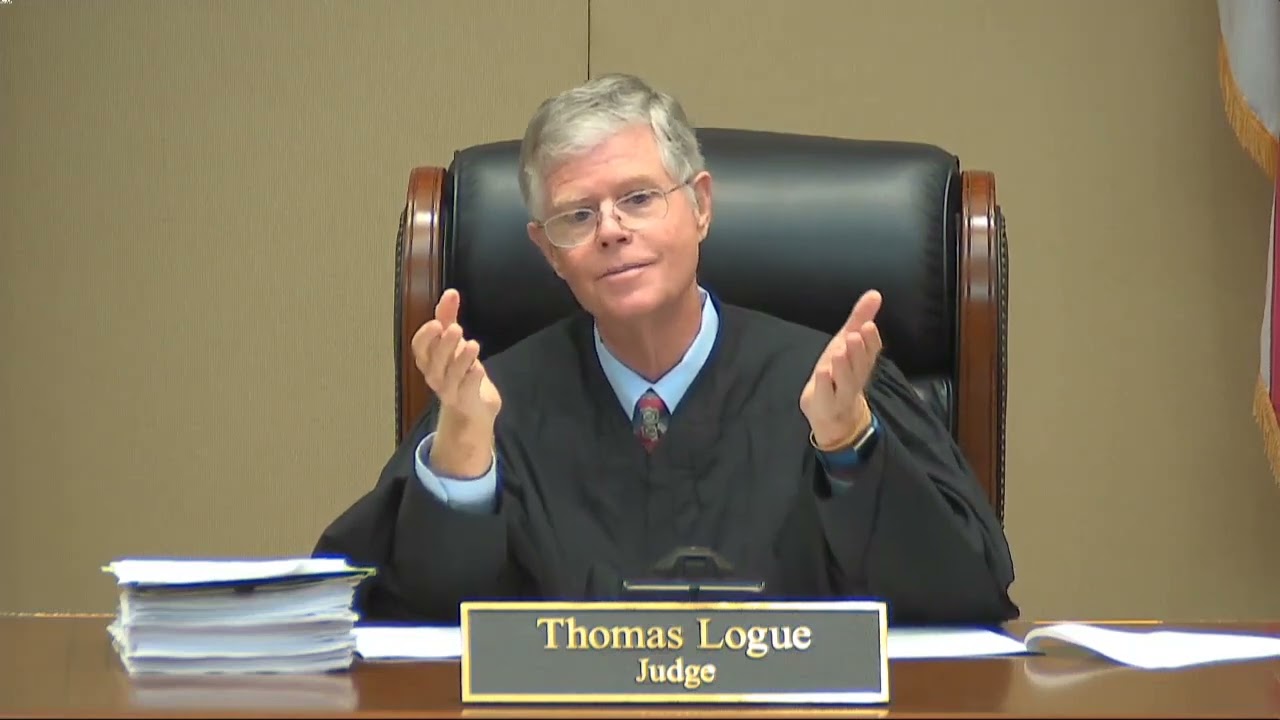
In short: In Dobal v. Villas at South Beach Condominium Association, a Miami-Dade condominium owner sued three condominium directors personally, alleging they let his roof leak for years to punish him for proposing a special assessment. The trial court dismissed that claim with prejudice based on the directors’ statutory immunity. On August 2, 2023, the Third District reversed, holding the complaint alleged enough bad faith to get past the immunity in section 718.111(1)(d).
The Facts
The facts come from Carlos H. Dobal’s complaint, which the court had to accept as true at the motion to dismiss stage. Dobal once served on the board of the Villas at South Beach Condominium Association. While he was on the board, several owners, including Dobal, complained of water leaks. An engineer hired by the board concluded the leaks came from a roof that had deteriorated with age, and Dobal pushed for a special assessment to replace it.
Unhappy about the cost, three owners won seats on the board and removed Dobal. According to the complaint, they then set out to punish him. They hired a second engineer, who reached the same conclusion about the roof, and allegedly told him to change his report to say Dobal’s leaks did not come from the roof. When Dobal tried to fix the roof himself, they allegedly threatened to sue him. They repaired leaks in other units but not his. Over several years his unit suffered near-constant water intrusion, warped drywall and mold.
Dobal sued the association and the three directors. The trial court dismissed the breach of fiduciary duty claim against the directors with prejudice, finding he had not pleaded around their statutory immunity. He appealed, and the case was argued on May 31, 2023. The points below are what the lawyers argued.
- Dobal argued the complaint alleged far more than negligence: conduct aimed at one owner, in retaliation, including an altered engineering report, a single unrepaired roof, and threats of suit if he made the repair himself.
- The directors argued the allegations were bare conclusions dressed in the statute’s words, that at bottom this was a dispute over maintaining a limited common element, and that public policy protects volunteer directors from personal suits.
- The panel asked how an opinion could hold, as a matter of law, that alleged targeting and blocking repairs was no more than a failure to maintain.
The Decision
The Third District reversed in a written opinion on August 2, 2023, and remanded for further proceedings. The mandate issued on August 22, 2023.
The court agreed with the trial court that the complaint did not fit two of the statute’s exceptions: it did not allege a crime or a transaction from which the directors took an improper personal benefit. But it held the complaint did plausibly allege the third exception, covering recklessness or acts in bad faith, with malicious purpose, or with wanton and willful disregard of property. The key was the alleged purpose: the directors acted to retaliate against Dobal for identifying the roof problem and proposing the assessment.
The court relied on Berg v. Wagner, 935 So. 2d 100 (Fla. 4th DCA 2006), where allegations of deliberate conduct taken in bad faith and with malicious purpose were enough to avoid immunity. It contrasted Sonny Boy, LLC v. Asnani, 879 So. 2d 25 (Fla. 5th DCA 2004), where a simple failure to maintain and repair was negligence and did not defeat immunity.
The court acknowledged the concern about suing board members, who are often volunteers, but said the Legislature explicitly carved out this exception. It also made clear it was not deciding whether the allegations are true. The ruling only lets the claim go forward.
The Law
Section 718.111(1)(a) of the Florida Condominium Act says condominium officers and directors have a fiduciary relationship to the unit owners. Section 718.111(1)(d) says they must act in good faith and with ordinary care, but it shields them from personal liability for money damages unless the breach was a crime, involved a transaction giving them an improper personal benefit, or amounted to recklessness or an act or omission in bad faith, with malicious purpose, or in a manner exhibiting wanton and willful disregard of human rights, safety or property.
The not-for-profit corporation statute, section 617.0834, has a parallel immunity for directors and officers, and section 718.111(1)(d) refers to it. At argument the panel noted this was a condominium case governed by Chapter 718.
On a motion to dismiss, the court accepts the complaint’s factual allegations as true and draws reasonable inferences for the plaintiff. Florida is a fact-pleading state: Florida Rule of Civil Procedure 1.110(b) requires a short and plain statement of the ultimate facts. The directors argued Dobal pleaded only conclusions; the court found the facts alleged, especially the retaliatory purpose, were enough.
Current law (2026): section 718.111(1)(d) still contains the same three exceptions to director immunity, and section 718.111(1)(a) still states the fiduciary relationship to unit owners. Chapter 718 has been amended many times since 2023, so check the current text for other changes.
Lessons
- Condo directors are usually immune from personal liability for ordinary mistakes, including a failure to maintain common elements. The claim for that kind of harm generally runs against the association.
- Immunity is not absolute. Specific facts showing a director acted to punish or target an owner can state a claim for bad faith or malicious purpose.
- Plead facts, not labels. What saved this complaint was the alleged motive and the conduct that showed it: the altered report, the single unrepaired unit, and the threat of suit.
- Surviving a motion to dismiss is only the first step. The owner still has to prove bad faith with evidence at summary judgment or trial.
- For board members: treat every owner the same, document the reasons for repair decisions, and be careful with engineering reports.
Source: Dobal v. Villas at South Beach Condominium Association, Inc., No. 3D22-1169 (Fla. 3d DCA Aug. 2, 2023); ACIS docket, No. 3D2022-1169 (reversed and remanded; mandate August 22, 2023).
Watch the Oral Argument
This is the recording of the actual oral argument, posted on the channel. What lawyers and judges say at argument is not the ruling; the decision is summarized above.
🏢 Condo Directors Accused of Targeting One Owner's Roof — Is Board Immunity Lost? Florida Appeal
Go Deeper
- Florida Condo Owners' Rights: Special Assessments, Records, and Disputes With the Association
- Condo Leak Claims Revived: When a New Complaint Relates Back (Anderson v. Epstein)
- HOA Election Campaign Ends in a Defamation Verdict, Affirmed (Rogan v. Oliver)
Frequently Asked Questions
Can you sue condo board members personally in Florida?
Only in limited cases. Section 718.111(1)(d) protects condominium officers and directors from personal liability for money damages unless the breach was a crime, gave them an improper personal benefit, or involved recklessness, bad faith, malicious purpose, or wanton and willful disregard of rights, safety or property. In Dobal, allegations that directors retaliated against one owner were enough to keep the claim alive.
Is a condo board's failure to repair the roof enough to make directors personally liable?
Usually not. Courts treat a simple failure to maintain or repair as negligence, which the immunity covers, as in Sonny Boy, LLC v. Asnani. The Dobal complaint survived because it alleged the directors deliberately left one owner’s roof unrepaired to punish him.
Do condo directors owe a fiduciary duty to unit owners?
Yes. Section 718.111(1)(a) says condominium officers and directors have a fiduciary relationship to the unit owners. Breaching that duty does not automatically make them personally liable, because of the immunity in section 718.111(1)(d).
What do I have to allege to get past condo director immunity?
You need ultimate facts, not just the statute’s words. In Dobal, the owner alleged a motive (retaliation for proposing a special assessment) and conduct showing it, such as directing an engineer to change his report and threatening suit if the owner fixed the roof himself. The court said it was not deciding whether those allegations were true.
Talk to a Florida real estate litigation lawyer
Weidner Law, P.A. handles Florida real estate disputes, title problems and appeals from St. Petersburg. If you need a real estate litigation lawyer, call (727) 954-8752 or email weidner@mattweidnerlaw.com.
Read the law yourself, free: every Florida statute and court rule is on floridarules.net.
This article is general information about Florida law, not legal advice about your situation. Reading it, watching the videos, or contacting the firm does not create an attorney-client relationship. Every case turns on its own facts, and past results do not guarantee a similar outcome. The hiring of a lawyer is an important decision that should not be based solely upon advertisements.
