
In short: In Condron v. Arey, owners of a St. Johns County oceanfront lot built a boardwalk, plantings, irrigation, a fence and gates that narrowed a ten-foot beach access easement to about four feet. Their neighbors sued. On May 15, 2015, the Fifth District held that the easement covers the entire ten-foot strip and affirmed the order requiring changes, but reversed the ban on walking horses across it.
The Facts
In 1981 and 1982, James R. Stockton, Jr. granted and reserved an easement over a ten-foot strip so that neighboring owners could reach the beach. A 1983 easement agreement defined the “Easement Area,” and a 1988 amendment moved it to the southerly ten feet of an oceanfront lot. The agreement gave the benefitted owners the right to travel “over, upon, and across the Easement Area,” and the 1982 grant covered ingress and egress by foot or by vehicle.
Gary and Nancy Condron bought the burdened lot in 2004. Starting in 2008 they added a boardwalk, plantings, an irrigation system, a fence and gates, which left about four feet for passage. The benefitted owners, including S. Todd and Patti Arey and members of the Stockton family, sued for an injunction. The Condrons counterclaimed for a declaration limiting how the easement could be used, including for commercial use and for moving horses and boats.
The trial court ruled on partial summary judgment that the easement is coterminous with the full ten-foot Easement Area. Its 2013 final judgment ordered the irrigation system removed or relocated, ordered removal of larger trees growing entirely within the strip, required overhanging branches to be trimmed to at least twelve feet, allowed any boat a person can carry, and barred horses. The parties stipulated that commercial use is not allowed. The Condrons appealed (No. 5D13-3593).
The Decision
The Fifth District affirmed in part, reversed in part and remanded on May 15, 2015. It reviewed the meaning of the easement documents de novo and the trial court’s factual findings for competent, substantial evidence.
On width, the court held that the words “upon” and “across,” read with the agreement’s definition of the Easement Area, give the benefitted owners the use of the entire ten-foot strip, following its earlier decision in Hoff v. Scott, 453 So. 2d 224 (Fla. 5th DCA 1984). Because the easement covers the whole strip, the court did not need to decide whether the Condrons’ improvements unreasonably interfered with access.
On horses, the documents were silent. Under the rule for general grants, the use must be reasonable, and the court found horse use reasonable given testimony of more than 20 years of past use. It read the “pedestrian path” language as a standard for maintaining the area, not a limit on how it may be used. Testimony from a county environmental coordinator also undercut the finding that no county permit allowed horses there. The court reversed only that part of the judgment and directed an order allowing the owners to walk horses across the easement. The mandate issued June 30, 2015.
The Law
An express easement is read like any other written instrument. Courts start with its words. When the grant describes a specific strip of land and gives the right to pass “over, upon, and across” it, Florida courts may treat the easement as covering the whole strip, not just whatever path is reasonably needed.
When an easement is a general grant that does not list allowed uses, the holder may make any reasonable use consistent with the purpose of the grant. Past use over many years is strong evidence of what is reasonable.
The owner of the land under an easement keeps ownership and can use it, but cannot interfere with the easement holder’s rights. Fences, gates and landscaping inside the easement are common sources of these lawsuits.
Lessons
- Before you build anything inside an easement on your land, read the recorded grant and any amendments. If the grant defines a strip, the holder may be entitled to all of it.
- If an easement is silent about a particular use, expect a court to ask whether the use is reasonable and how the easement has been used over time.
- Language about how an easement must be maintained is not necessarily a limit on how it may be used.
- Buyers of property burdened by an easement inherit the easement. Title review before closing is the time to find it.
Source: Condron v. Arey, No. 5D13-3593 (Fla. 5th DCA May 15, 2015) — opinion; ACIS docket.
Watch the Oral Argument
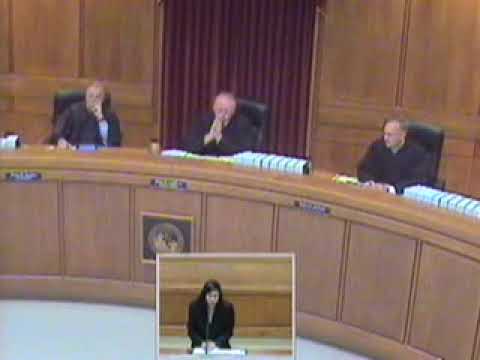
These are the recordings of the oral argument in this case, posted on the channel in two uploads. What lawyers and judges say at argument is not the ruling; the decision is summarized above.
📜 Real Estate Fraud Inside a Family Trust (Part 1)
💼 Real Estate Fraud Inside a Family Trust (Part 2)
Go Deeper
- Does an "Exclusive" Easement Lock Out the Owner Who Granted It? (Myers v. Garber)
- A Shared Well, a Dirt Driveway and an Easement Fight Between Odessa Neighbors (Marlette v. Carullo)
- Recorded 40 Minutes Too Late: A Dock Easement That Didn't Stick (Hagelin v. U.S. Funding)
Frequently Asked Questions
Can I build a fence or plant trees inside an easement on my property?
Only if it does not interfere with the easement holder’s rights under the grant. In Condron v. Arey, improvements that narrowed a ten-foot beach access easement to about four feet led to an order requiring changes, which the Fifth District affirmed.
Does an easement holder get the whole width of the easement?
It depends on the wording. Where the grant defines a specific strip and gives the right to pass over, upon and across it, the Fifth District has held the right covers the entire strip. A grant that only describes a general right of way may be read more narrowly.
What uses are allowed when an easement doesn't say?
Under the rule for general grants, the holder may make reasonable uses consistent with the easement’s purpose. In Condron the court allowed horses to be walked across a beach access easement based on decades of past use.
How do you enforce a beach access easement in Florida?
The holders usually sue for an injunction requiring removal of obstructions, and the burdened owner may counterclaim for a declaration of what the easement allows. That is how Condron v. Arey reached the trial court.
Talk to a Florida real estate litigation lawyer
Weidner Law, P.A. handles Florida real estate disputes, title problems and appeals from St. Petersburg. If you need a real estate litigation lawyer, call (727) 954-8752 or email weidner@mattweidnerlaw.com.
Read the law yourself, free: every Florida statute and court rule is on floridarules.net.
This article is general information about Florida law, not legal advice about your situation. Reading it, watching the videos, or contacting the firm does not create an attorney-client relationship. Every case turns on its own facts, and past results do not guarantee a similar outcome. The hiring of a lawyer is an important decision that should not be based solely upon advertisements.
