
In short: In AFP 103 Corp. v. Common Wealth Trust Services, the owner of a Miami-Dade lot claimed parking and access easements over a neighboring lot that a developer created while it owned both. The trial court ruled no enforceable easement existed. The Third District affirmed in February 2023 and, on rehearing on October 25, 2023, issued a narrower substituted opinion that again affirmed, over a dissent.
The Facts
According to the opinion, Miami-Dade County approved a mixed-use project in 1981 with an unusual parking arrangement, conditioned on a unity of title under section 33-257 of the County Code. In 2004 the developer, which owned the whole site, recorded a covenant and then a declaration of covenants that contemplated separate lots and created parking and access easements over shared facilities.
In late 2005 the developer split off an “Undeveloped Lot.” A supplemental declaration required the owner of that lot to maintain at least 583 parking spaces. It was dated September 2005, its actual execution date was unclear, and it was recorded on November 1, 2005. Before that, a warranty deed dated October 3, 2005 and recorded October 12, 2005 conveyed the condominium lot and the non-condominium lot to a new owner and referred to the supplemental declaration.
AFP 103 Corp. bought the non-condominium lot in 2009. Common Wealth Trust Services, LLC later acquired the Undeveloped Lot through foreclosure, with a deed recorded in 2019, and fenced it off. The trial court entered summary judgment for Common Wealth, and AFP appealed. The case was argued on December 6, 2022, and the Florida Land Title Association and the Florida Home Builders Association appeared as amici. The points below are what the lawyers argued, not findings by the court.
- AFP argued that the 2005 warranty deed ended the unity of title and expressly incorporated the declarations, so the easements took effect when the lots were split, unlike the deed in One Harbor, which made no reference to an easement.
- AFP argued a document is effective when signed, not when recorded, so at minimum there was a fact question about when the supplemental declaration took effect, and that the court entered judgment on its counterclaim without notice.
- Common Wealth argued the declarations did not comply with the mandatory requirements of Miami-Dade County Code section 33-257, including signatures and county attorney approval, and that the supplemental declaration was not effective before it was recorded.
- The panel asked what consequence the Code provides for noncompliance, and whether an owner of two parcels can create an easement that becomes effective when one is conveyed.
The Decision
The Third District affirmed in an authored opinion on February 22, 2023. That opinion relied on the rule that an owner cannot hold an easement over its own land, on the County Code, and on the timing of the supplemental declaration.
AFP moved for rehearing, rehearing en banc and certification. On October 25, 2023, the court granted rehearing in part, withdrew the first opinion and issued a shorter per curiam opinion that again affirmed. The majority said it had reviewed the series of deeds and declarations and that the absence of required signatures, the timing of the instruments and other defects undercut AFP’s reading. It noted that incorporation by reference generally reaches only documents that already exist, and found no error “under the particular facts of this case.”
One judge dissented. The dissent would have reversed, reasoning that the recorded easements were expressly incorporated into the warranty deed, that Common Wealth took with notice, that the majority confused recording with execution, and that summary judgment should not have been entered on AFP’s counterclaim and defenses when Common Wealth never moved on them.
The court denied further rehearing en banc and certification on February 7, 2024. AFP then filed a notice invoking the Florida Supreme Court’s discretionary jurisdiction, and the docket shows a Supreme Court order on July 11, 2024. A later appeal between the same parties, No. 3D25-0419, was affirmed on January 14, 2026.
The Law
Florida follows the common-law rule that a person cannot hold an easement over his or her own property, because the right merges into ownership. A developer that owns every parcel can describe future easements, but the documents have to be valid and take effect when ownership is separated.
Incorporation by reference lets a deed or contract pull in the terms of another document, but the court treated it as limited to documents that actually exist when the incorporating instrument is signed.
Local rules can matter. Miami-Dade County Code section 33-257 governs unity of title and the covenants used in its place for multi-building sites. The parties disputed whether noncompliance voids private easement documents, and the final opinion did not announce a broad rule on that question.
Lessons
- Parking and access rights that a development depends on should be in fully executed, recorded instruments before any lot is sold.
- Sign and record supporting declarations before the deed that refers to them. A deed cannot reliably incorporate a document that does not yet exist.
- Buyers and lenders should confirm that every easement in the title commitment was signed by the right parties and approved as local code requires.
- A counterclaim filed after a summary judgment motion may not be covered by it. If a judgment reaches beyond what was noticed, raise it with the trial court promptly.
- Opinions on rehearing can change the reasoning even when the result stays the same. Cite the substituted opinion.
Source: AFP 103 Corp. v. Common Wealth Trust Services, LLC, No. 3D21-2117 (Fla. 3d DCA Oct. 25, 2023) (opinion on rehearing, affirmed, with dissent); ACIS docket.
Watch the Oral Argument
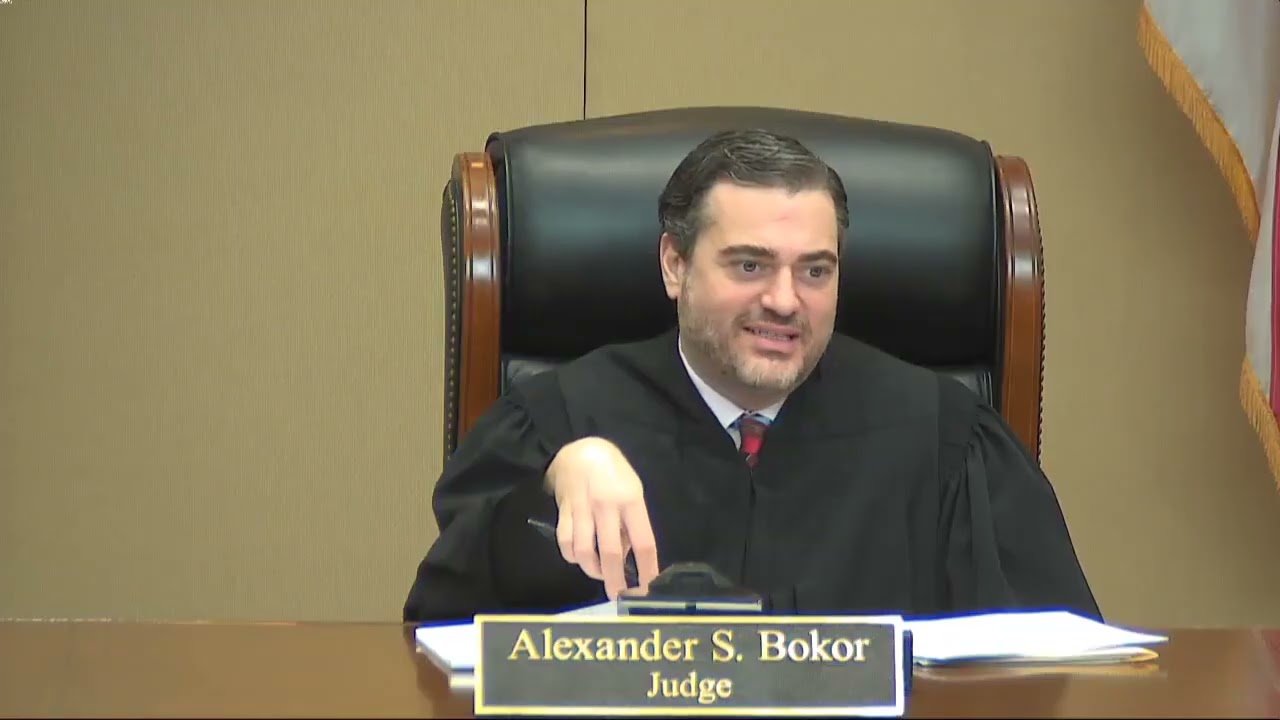
This is the recording of the actual oral argument, posted on the channel. What lawyers and judges say at argument is not the ruling; the decision is summarized above.
Can the Owner of Both Parcels Create a Parking Easement That Takes Effect When One Is Sold?
Go Deeper
- Recorded 40 Minutes Too Late: A Dock Easement That Didn't Stick (Hagelin v. U.S. Funding)
- No Written Easement, No Parking Access: Condo Loses Driveway Claim (Miami Beach Club v. RDR)
- Easement Disputes in Florida: Utility, Access, and Prescriptive Easements
Frequently Asked Questions
Can you have an easement over your own property in Florida?
No. When one person owns both the benefited and burdened land, the easement merges into ownership. In AFP 103, the developer owned all the lots when it recorded the parking declarations. The first opinion relied on that rule; the substituted opinion affirmed on narrower grounds about signatures and timing.
Does a deed have to be recorded to create an easement?
Recording gives notice to later buyers, but the bigger issue in AFP 103 was timing and execution. The court said a deed can incorporate only documents that already exist, and the supplemental declaration’s execution date was unclear and it was recorded after the deed.
What is a unity of title in Miami-Dade County?
It is a recorded covenant, often required for site plan approval, that ties separate parcels together so they are treated as one site. Miami-Dade County Code section 33-257 governs it and the covenants used in its place, and the parties in AFP 103 fought over whether the declarations complied.
What happens to parking rights when the lot is foreclosed?
A valid, recorded easement generally survives a foreclosure of the burdened lot if it was prior in time. In AFP 103, the buyer of the foreclosed lot fenced it off, and the courts held AFP never had an enforceable easement to begin with.
Talk to a Florida real estate litigation lawyer
Weidner Law, P.A. handles Florida real estate disputes, title problems and appeals from St. Petersburg. If you need a real estate litigation lawyer, call (727) 954-8752 or email weidner@mattweidnerlaw.com.
Read the law yourself, free: every Florida statute and court rule is on floridarules.net.
This article is general information about Florida law, not legal advice about your situation. Reading it, watching the videos, or contacting the firm does not create an attorney-client relationship. Every case turns on its own facts, and past results do not guarantee a similar outcome. The hiring of a lawyer is an important decision that should not be based solely upon advertisements.
