
In short: In Worth v. Estate of Stern, the estate and beneficiaries of Idelle Stern were allowed to add punitive damages claims against Oppenheimer Trust Company, related Oppenheimer companies and several individuals. The defendants asked the Third District to quash that order by certiorari. On February 7, 2018, the court denied the petitions, explaining that its review was limited to whether the trial court applied the correct law, even though it might have had concerns about the sufficiency of the evidence.
The Facts
The Estate of Idelle Stern and three of the trust beneficiaries sued Oppenheimer Trust Company, which had served as trustee, related Oppenheimer companies, and individuals including Theron H. Worth, Eli Moallem and James P. Carley, Jr. The Miami-Dade circuit court granted the plaintiffs leave to plead punitive damages.
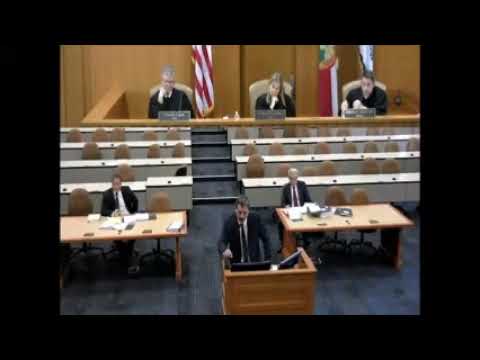
The defendants filed three petitions for certiorari, which the Third District consolidated under No. 3D17-907 (with 3D17-903 and 3D17-905). The court heard argument on January 22, 2018. The points below are what the lawyers argued, not findings by the court.
- The petitioners argued the order was bare-bones and did not find a reasonable evidentiary basis, and that the plaintiffs’ motion offered allegations rather than evidence of intentional misconduct or gross negligence.
- They argued a trustee has no duty to tell remainder beneficiaries about a settlor’s withdrawal request from her own revocable trust, that the $3 million request was never paid, and that some claims, such as accounting and distribution, are equitable and do not support damages.
- The respondents, through Robert A. Stok, argued the trial court had a 22-page motion, thousands of pages of depositions and five expert reports showing the trustee never spoke with an elderly, impaired co-trustee and beneficiary, did not provide accountings for years, and ignored warnings of financial exploitation.
- They also argued section 768.72 does not require magic words in the order, and that the petitioners never asked the trial court for findings.
The Decision
The Third District denied the petitions on February 7, 2018, in a short per curiam opinion. Citing TRG Desert Inn Venture, Ltd. v. Berezovsky, 194 So. 3d 516 (Fla. 3d DCA 2016), the court said certiorari review of an order on a motion to add punitive damages is limited to whether the trial court applied the correct law. The court said it might have concerns about the sufficiency of the evidence, but it could not conclude that the trial court failed to follow the procedural requirements of section 768.72.
Rehearing and rehearing en banc were denied on April 13, 2018, and the mandate issued April 30, 2018. Denying certiorari did not decide whether any defendant was liable for punitive damages; it only left the trial court’s pleading order in place.
The Law
Section 768.72 bars a claim for punitive damages unless there is a reasonable showing, by evidence in the record or proffered by the claimant, that provides a reasonable basis for recovery. The claimant must get leave of court to add the claim. Liability requires clear and convincing evidence of intentional misconduct or gross negligence, and the statute adds conditions for holding a corporation liable for an employee’s conduct.
The Florida Trust Code imposes duties on trustees, including the duty under section 736.0813 to keep qualified beneficiaries reasonably informed and to provide trust accountings. Whether a breach of those duties is bad enough to support punitive damages is a separate question.
Current law (2026): Effective April 1, 2022, the Florida Supreme Court amended Florida Rule of Appellate Procedure 9.130 to allow an immediate appeal of a nonfinal order that grants or denies leave to amend to add a punitive damages claim (In re Amendment to Fla. Rule of App. Proc. 9.130, No. SC21-129, Jan. 6, 2022). Before that change, parties like the Oppenheimer defendants were limited to certiorari and its narrow review.
Lessons
- Before 2022, certiorari was a hard road for a defendant facing a punitive damages amendment. The Third District said it might have had doubts about the evidence and still denied relief.
- Today, defendants can appeal an order allowing punitive damages, so the record built at the section 768.72 hearing matters even more for both sides.
- If you want the order to contain findings, ask for them in the trial court. The respondents stressed that the petitioners never requested findings or submitted a competing order.
- Corporate trustees should document their contact with impaired settlors and beneficiaries and how they respond to warnings of exploitation. Those facts drove the punitive damages motion here.
Source: Worth v. Estate of Stern, Nos. 3D17-907, 3D17-905, 3D17-903 (Fla. 3d DCA Feb. 7, 2018) (petitions for certiorari denied); ACIS docket (rehearing denied April 13, 2018).
Watch the Oral Argument
This is the recording of the actual oral argument, posted on the channel. What lawyers and judges say at argument is not the ruling; the decision is summarized above.
Punitive Damages Against a Corporate Trustee: What Must the Order Say Under § 768.72? Certiorari
Go Deeper
- Punitive Damages Against a Nursing Home Need Real Evidence First (Carpenters Home Estates v. Sanders)
- Florida's Vulnerable Adult Law Isn't Just for the Elderly: Exploitation Under Chapters 415 and 825
- A $2.5 Million Golf Course Sold for $12 Million: Trustee Surcharged in McCormick v. Cox
Frequently Asked Questions
Can you sue a trustee for punitive damages in Florida?
Yes, if the court grants leave under section 768.72 after a reasonable evidentiary showing, and the claimant later proves intentional misconduct or gross negligence by clear and convincing evidence. In Worth v. Estate of Stern, the trial court allowed punitive damages claims against a corporate trustee and its executives, and the Third District declined to disturb that order.
What does a plaintiff have to show to add punitive damages in Florida?
Section 768.72 requires a reasonable showing, by evidence in the record or proffered evidence, that provides a reasonable basis for recovering punitive damages. Allegations alone are not enough, and the claimant must get leave of court before pleading the claim.
Can you appeal an order allowing punitive damages in Florida?
Since April 1, 2022, yes. Rule 9.130 now permits an immediate appeal of an order granting or denying leave to add punitive damages. Before then, as in this 2018 case, the only route was certiorari, which was limited to whether the trial court applied the correct law.
Does a trustee have to tell beneficiaries about a settlor's withdrawal from a revocable trust?
That was disputed in this case. The trustee argued that while a trust is revocable, its duties run to the settlor, not to remainder beneficiaries. The Third District did not decide the point; it only denied certiorari.
Talk to a Florida trust litigation lawyer
Weidner Law, P.A. handles Florida trust disputes and probate appeals from St. Petersburg. If you need a trust litigation lawyer, call (727) 954-8752 or email weidner@mattweidnerlaw.com.
Read the law yourself, free: the full Florida Probate Code and Probate Rules and the Florida Trust Code are on floridarules.net.
This article is general information about Florida law, not legal advice about your situation. Reading it, watching the videos, or contacting the firm does not create an attorney-client relationship. Every case turns on its own facts, and past results do not guarantee a similar outcome. The hiring of a lawyer is an important decision that should not be based solely upon advertisements.
