
In short: In 1974, Allen Morris’s company, 1000 Brickell, Ltd., deeded land to the City of Miami for a public park, with a clause sending it back automatically if the land was used for anything else. When the company sued in 2014, claiming the city let a restaurant take over part of the park, the trial court held section 95.36 cut off its rights after 30 years. The Third District reversed on June 8, 2022 (on rehearing), holding the deed conveyed a fee simple determinable, not a dedication, so section 95.36 did not apply.
The Facts
In 1974, Allen Morris, through his company 1000 Brickell, Ltd., deeded property to the City of Miami for public park purposes. The deed gave the city fee simple title with an automatic reverter: if the property was used for anything other than public park purposes, the city’s estate would automatically and immediately end and title would go back to the grantor. The city used the land as Allen Morris Brickell Park.
In 1999 the city asked to use part of the park for outdoor seating for a neighboring restaurant, and 1000 Brickell consented to that limited use. 1000 Brickell later alleged that the city let the restaurant greatly expand its footprint and build permanent improvements, putting much more of the park to private use. It sued, claiming the city’s estate had ended and title had reverted.
The city moved for summary judgment under the 1974 version of section 95.36(1), which addressed ancient dedications of land to municipalities for park purposes and cut off the dedicator’s rights after 30 years. The trial court granted final summary judgment for the city. The case was argued on February 15, 2022. The points below are what the lawyers argued, not findings by the court.
- 1000 Brickell argued that section 689.18, titled reverter clauses, controls, and that subsection (5) exempts conveyances to governmental entities from that statute’s 21-year limit on reverters. It argued a deed only weeks old when the statute was amended could not be an “ancient” dedication, and that the deed used conveyance words, not dedication.
- 1000 Brickell warned that a 30-year clock on park restrictions would put every restricted gift of park land to a city at risk.
- The City of Miami argued the deed was a donation and a dedication, that section 95.36 cancels “all rights” after 30 years, and that the more specific statute for park dedications governed. As an alternative ground, it argued the claim was barred by the statute of limitations because any violation began around 2000.
- The panel asked whether a deed can be both a conveyance and a dedication, and which statute more specifically addresses a conveyance with an automatic reverter.
The Decision
The Third District first reversed in an opinion filed April 13, 2022. On the city’s motion for rehearing, it withdrew that opinion and issued a substituted opinion on June 8, 2022, again reversing. Rehearing en banc was denied on June 28, 2022, and on September 13, 2022 the Florida Supreme Court declined to accept jurisdiction.
The court held section 95.36(1) did not apply because the 1974 deed was not a “dedication of land.” A common-law dedication is generally an easement for public use, with the fee staying in the grantor. This deed, the court said, conveyed a fee simple determinable estate. Section 689.18 is the statute that addresses reverter provisions, and its subsection (5) exception for governmental grantees left Florida’s common law on such reverters in place.
The court added that reading the statutes the city’s way would put them in conflict, and that even if they did conflict, the specific statute on reverters would control over the general one. It reversed the final summary judgment on counts I and II and remanded for further proceedings, and affirmed the judgment for the city on counts III and IV without discussion. At argument, 1000 Brickell’s counsel described counts I and II as quiet title and declaratory judgment and said it was no longer pursuing the damages counts.
The opinion does not discuss the city’s alternative statute of limitations argument, and it does not decide whether the city actually violated the deed. Those questions were left for the remand.
The Law
Section 689.18 declares that reverter or forfeiture provisions of unlimited duration are an unreasonable restraint on alienation and limits them to 21 years. Subsection (5) excepts conveyances to governmental, educational, religious, charitable and similar entities, and subsection (7) preserves restrictive covenants and reverter clauses and allows courts to enforce them.
Section 95.36 bars challenges by the dedicator to land dedicated to a municipality or county for park purposes after a set period. The court applied the 1974 version, which spoke of “ancient dedications” for 30 years or more; the parties agreed that version governed.
Current law (2026): Section 95.36(1) now applies to dedications to a municipality or county for park purposes that have been recorded for 30 years, where the government has used the land for a municipal or county purpose during that time or has conveyed it by a deed recorded for 7 years. The 1000 Brickell holding turns on the difference between a dedication and a conveyance of a fee simple determinable, which those amendments did not change.
Lessons
- Labels matter. A deed that conveys a fee simple determinable with an automatic reverter is treated differently from a dedication, even when the land is given for a park.
- Donors who give land to a city or charity with conditions should write the reverter in clear, automatic terms and keep records of what was agreed later, such as consents to limited uses.
- Cities holding restricted land should check the original deed before approving private uses of park property.
- Winning a statutory argument on appeal does not end the case. Factual issues, such as whether the restriction was violated and whether the claim was timely, still have to be resolved.
Source: 1000 Brickell, Ltd. v. City of Miami, No. 3D20-1046 (Fla. 3d DCA June 8, 2022) (opinion on rehearing; reversed in part and remanded); ACIS docket (Florida Supreme Court declined jurisdiction Sept. 13, 2022).
Watch the Oral Argument
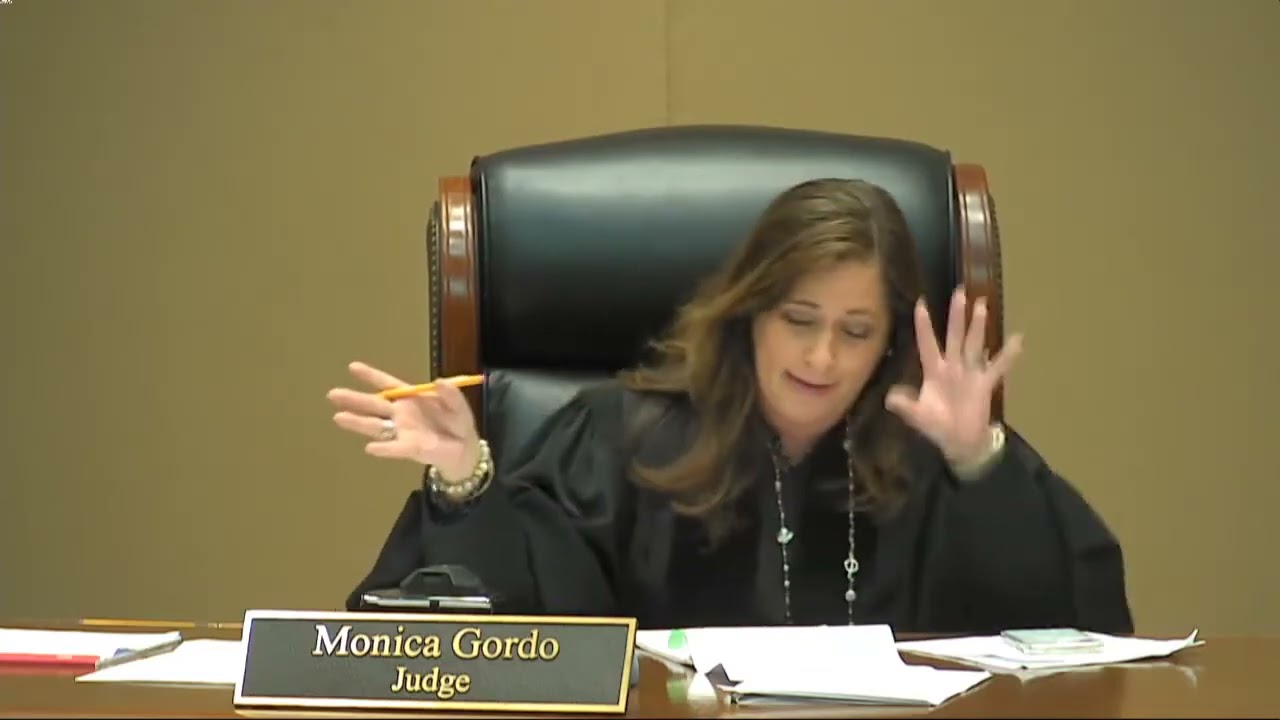
This is the recording of the actual oral argument, posted on the channel. What lawyers and judges say at argument is not the ruling; the decision is summarized above.
Does a 1974 Park Deed's Reverter Clause Survive? § 95.36 Ancient Dedications v. § 689.18
Go Deeper
- Who Owns the Church Property After a Congregation Dissolves? (Northwest Baptist v. King Street)
- Who Owns Streets and Parks Dedicated on an Old Plat? (Graham v. Bal Harbour Civic Ass'n)
- A 1973 Golf-Course Restriction Wiped Out by the Marketable Record Title Act (La Minnesota Riviera v. Riviera Golf Estates HOA)
Frequently Asked Questions
Are reverter clauses in Florida deeds enforceable?
Section 689.18 limits most reverter and forfeiture provisions to 21 years, but it exempts conveyances to governmental, religious, charitable and similar entities. In 1000 Brickell, the Third District held a 1974 reverter in a deed to the City of Miami fell under that exemption rather than being cut off by section 95.36.
What is the difference between a dedication and a deed to a city?
A common-law dedication generally gives the public an easement while the grantor keeps the fee. The 1974 Brickell deed conveyed a fee simple determinable that ends automatically if the condition is broken, and the court held that kind of conveyance is not a dedication under section 95.36.
Can a city stop using donated land as a park?
It depends on the deed and on any statutes or local rules that apply. If the deed contains an enforceable reverter, using the land for other purposes can send title back to the donor, which is what 1000 Brickell claimed. The appellate court did not decide whether a violation occurred.
What does fee simple determinable mean?
It is ownership that lasts only as long as a stated condition is met, such as use as a public park. If the condition is broken, the estate ends automatically and title returns to the grantor. The Third District described the 1974 Brickell deed this way.
Talk to a Florida real estate litigation lawyer
Weidner Law, P.A. handles Florida real estate disputes, title problems and appeals from St. Petersburg. If you need a real estate litigation lawyer, call (727) 954-8752 or email weidner@mattweidnerlaw.com.
Read the law yourself, free: every Florida statute and court rule is on floridarules.net.
This article is general information about Florida law, not legal advice about your situation. Reading it, watching the videos, or contacting the firm does not create an attorney-client relationship. Every case turns on its own facts, and past results do not guarantee a similar outcome. The hiring of a lawyer is an important decision that should not be based solely upon advertisements.
