
In short: In July 2026 the Fifth DCA reversed a judgment that voided a dissolved Cocoa church’s deeds and gave the property to the church that originally conveyed it. King Street Baptist lacked standing: its deed reserved no reversion to itself, and later member assignments came too late. Which members were the true congregation was also off-limits to civil courts.
The Facts
In 1989 a couple deeded property in Brevard County to King Street Baptist Church with a reverter clause. The property had to be used by a missionary Baptist church. If a majority of members departed from those beliefs, title would go to the faithful minority; if the whole membership failed, it would go to the Brevard Baptist Association. In 1997 King Street deeded the property to Northwest Baptist Church of Cocoa with a substantially similar clause, but that deed did not provide for the property to come back to King Street.
By 2017 Northwest’s membership and finances had declined. At a special business meeting it voted to dissolve and quitclaimed the property to the Brevard Baptist Association, which eleven days later quitclaimed it to Surfside Community Fellowship. In November 2017, King Street sued to void both quitclaims and claim ownership under the 1997 deed.
After the trial court dismissed an earlier complaint for lack of standing in 2020, King Street obtained assignments of interest from seventeen people it described as minority members of Northwest and filed an amended complaint. The trial court ultimately granted King Street summary judgment, finding Northwest had given inadequate notice of the dissolution meeting and failed to follow Robert’s Rules of Order. It declared the quitclaims void and ordered a writ of possession for King Street.
The Decision
The Fifth District reversed and told the trial court to dismiss the case. First, the 1997 deed gave King Street nothing to enforce. It contained no provision returning title to King Street if Northwest failed its conditions, so King Street kept no ownership, possessory or reversionary interest. Second, the assignments from former members did not help. They were signed in April 2020, about two and a half years after the suit was filed, and a party cannot acquire standing after filing and then use the relation-back rule to cure the defect.
As an alternative ground, the court held that the ecclesiastical abstention doctrine barred the claim anyway. Deciding whether the assignors were the true congregation that remained faithful would require a civil court to decide who adheres to Baptist doctrine, a religious question the First Amendment and the Florida Constitution keep out of the courts. The court did not reach the procedural arguments about the dissolution vote.
Rehearing was denied on September 1, 2026, and the mandate issued September 29, 2026. On October 1, 2026, a notice was filed seeking to invoke the Florida Supreme Court’s discretionary jurisdiction, so further review has been requested and the case may not be over.
The Law
Standing requires a party to have a real, legally recognized interest in the outcome when the suit is filed. A grantor who conveys property keeps a reversionary interest only if the deed reserves one; a reverter that sends title to someone else gives the grantor nothing to enforce. Florida generally limits reverter and forfeiture clauses in deeds to 21 years under section 689.18, but that limit does not apply to conveyances to religious, charitable and similar nonprofit organizations, which is why these church-deed reverters can last indefinitely.
Under the church autonomy or ecclesiastical abstention doctrine, civil courts can resolve church property disputes using neutral principles of law, such as the language of deeds and corporate documents, but they cannot decide questions of doctrine, membership or faith. When a deed condition depends on who is faithful to a set of beliefs, a court may be unable to enforce it.
Current law (2026): Section 689.18(5), Fla. Stat. (2026) excludes conveyances to religious, charitable and nonprofit corporations/associations from the 21-year reverter limit (verified on flsenate.gov). The opinion itself, per the Justia text obtained, did not rely on s. 689.18; it is included in the post as background.
Lessons
- A church that conveys property and wants it back if conditions fail must reserve the reversion to itself in the deed. Sending the reversion to others leaves the grantor with no claim.
- Standing is measured when the lawsuit is filed. Assignments obtained years later do not save a case filed without standing.
- Reverter clauses tied to doctrinal faithfulness may be unenforceable in civil court because judges cannot decide who the true believers are.
- Churches planning to dissolve or transfer property should still follow their bylaws and notice rules; this case was decided on standing, not on whether the vote was proper.
Watch the Oral Argument
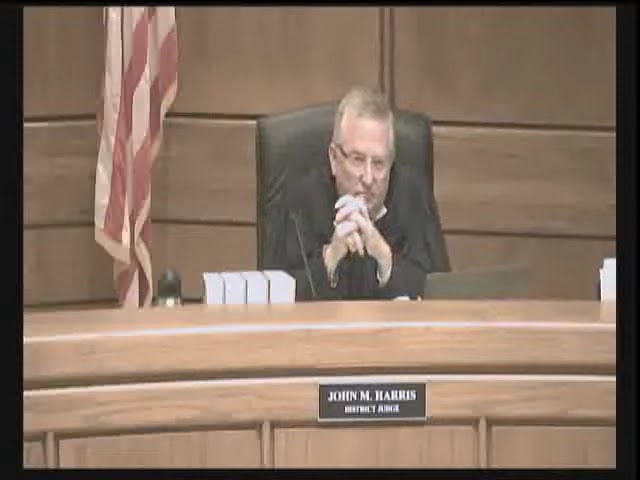
This is the recording of the actual oral argument, posted on the channel. What lawyers and judges say at argument is not the ruling; the decision is summarized above. (The channel has this argument posted twice; the other upload is here.)
Church Split: Who Gets the Property? | NW Baptist v. King Street Baptist, 5D25-0272
Go Deeper
- A 1973 Golf-Course Restriction Wiped Out by the Marketable Record Title Act (La Minnesota Riviera)
- "Less and Except" Means Not Yours: Deed Carve-Outs and Tax Deeds (Garden State v. Shazbop)
Frequently Asked Questions
Can a church get property back after deeding it to another church?
Only if the deed reserved a reversionary interest to the grantor church or some other legal basis exists. In Northwest Baptist, the 1997 deed sent the property to a faithful minority or a Baptist association if conditions failed, but not back to King Street Baptist, so King Street had no standing to sue.
Do Florida reverter clauses expire after 21 years?
Usually. Section 689.18 makes most reverter and forfeiture provisions in deeds void 21 years after the deed. But conveyances to religious, educational, charitable and other nonprofit organizations are excluded, so a reverter in a deed to a church can remain in effect longer.
Will a Florida court decide which faction is the true church?
No. Under the ecclesiastical abstention doctrine, civil courts will not decide matters of doctrine or which members remain faithful to a church’s beliefs. Courts can apply neutral principles, like the plain language of a deed, but when a property claim depends on a doctrinal question the court must stay out of it.
Can I fix a standing problem by getting an assignment after I sue?
Generally no. Florida courts measure standing as of the date the suit was filed, and an assignment signed afterward does not relate back to cure the defect. In this case, member assignments obtained in 2020 could not support a lawsuit filed in 2017.
Talk to a Florida title and property dispute lawyer
Weidner Law, P.A. handles quiet title, deed, lien and title disputes from St. Petersburg, backed by more than 25 years of title work. If you need a real estate litigation lawyer, call (727) 954-8752 or email weidner@mattweidnerlaw.com.
Read the law yourself, free: every Florida statute and court rule is on floridarules.net.
This article is general information about Florida law, not legal advice about your situation. Reading it, watching the videos, or contacting the firm does not create an attorney-client relationship. Every case turns on its own facts, and past results do not guarantee a similar outcome. The hiring of a lawyer is an important decision that should not be based solely upon advertisements.
