
In short: Riverfront Associates and a related company litigated with Jack Wisenbaker Construction and its principal in Duval County over FDUTPA and fraudulent construction lien claims. On January 13, 2026, the Fifth DCA affirmed without a written opinion on both the appeal and cross-appeal, and awarded the Riverfront companies appellate attorney’s fees on the FDUTPA and fraudulent-lien claims.
The Facts
Because the Fifth District affirmed without an opinion, what is known about the dispute comes from the court’s docket and the arguments described on appeal, not from a written decision. The case began in Duval County circuit court in 2017. It pitted Riverfront Associates, LLC and Riverfront Holdco, LLC against Jack Wisenbaker Construction, Inc. and Jack Wisenbaker. The issues on appeal included claims under Florida’s Deceptive and Unfair Trade Practices Act (FDUTPA) and a claim that a construction lien was fraudulent.
The Riverfront companies appealed in May 2024, and the Wisenbaker parties filed a cross-appeal. Both sides moved for appellate attorney’s fees.
The Decision
On January 13, 2026, the Fifth District issued a per curiam affirmance (a PCA) with no written opinion, leaving the trial court’s rulings in place on both the appeal and the cross-appeal. The next day, the court granted the Riverfront companies’ motion for appellate attorney’s fees as to the FDUTPA and fraudulent-lien claims, denied the rest of that motion, and denied the Wisenbaker parties’ fee motion. The amount of fees is typically set by the trial court. Rehearing, a written opinion and certification were denied on February 23, 2026, and the mandate issued in May 2026.
A PCA does not explain the court’s reasoning and is not precedent, so it does not tell other owners or contractors how a court will rule on similar lien or FDUTPA claims. The fee award does show that both statutes carry real fee exposure on appeal.
The Law
Under section 713.31(2), a construction lien is fraudulent if the lienor willfully inflates the amount, willfully includes work not performed or materials not supplied, or prepares it with such gross negligence that it amounts to willful overstatement. A minor mistake or a good-faith dispute over the amount does not make a lien fraudulent. Proving fraud defeats the lien entirely, and the owner can sue for damages, attorney’s fees and costs, and limited punitive damages.
FDUTPA, beginning at section 501.201, prohibits unfair or deceptive acts in trade or commerce. A party who loses a FDUTPA claim may face an attorney’s fee award to the other side under section 501.2105, which makes these claims a two-way fee risk. Construction lien suits carry their own prevailing-party fee provision in section 713.29.
Lessons
- Contractors: a lien must be accurate. Willfully inflating it or including work not done can wipe out the lien and expose you to damages and fees.
- Owners: not every overstated lien is fraudulent. Good-faith disputes and minor errors do not meet the statute’s test.
- FDUTPA and fraudulent-lien claims both carry fee-shifting. Losing on them, including on appeal, can mean paying the other side’s lawyers.
- Construction cases can run for years; this one started in 2017 and the appeal ended in 2026.
Watch the Oral Argument
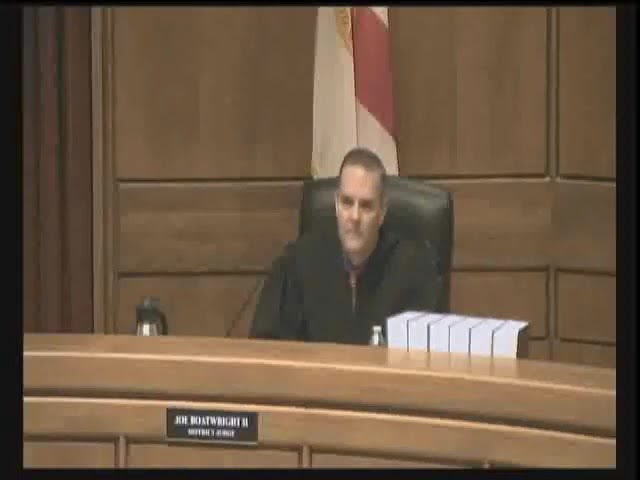
This is the recording of the actual oral argument, posted on the channel. What lawyers and judges say at argument is not the ruling; the decision is summarized above.
Fraudulent Lien & FDUTPA Construction Dispute | Riverfront v. Wisenbaker, 5D2024-1266
Go Deeper
- Oral Change Orders on a Fisher Island Renovation (Moscato v. Mutchnik)
- A Landlord's Renovation Without Permits and the Tenant's Building-Code Claim (Comptech)
Frequently Asked Questions
What makes a construction lien fraudulent in Florida?
Under section 713.31(2), a lien is fraudulent if the lienor willfully exaggerates the amount, willfully includes charges for work not done or materials not supplied, or compiles the claim with such gross negligence that it amounts to willful exaggeration. Minor errors or honest disagreements over the amount owed do not make a lien fraudulent.
What can an owner recover if a contractor files a fraudulent lien?
The lien becomes unenforceable, and the owner can seek damages, including costs of removing the lien and bond premiums, plus attorney’s fees and costs. Punitive damages are available but capped at the difference between the amount claimed and the amount actually due.
Can FDUTPA apply to a construction dispute?
Sometimes. FDUTPA covers unfair or deceptive acts in trade or commerce, and parties do raise it in construction cases. But section 501.2105 allows the court to award attorney’s fees to the prevailing party, so a party who brings a FDUTPA claim and loses may end up paying the other side’s fees.
What does a PCA mean for my construction lien case?
Nothing directly. A per curiam affirmance without opinion decides only the case in front of the court, explains nothing, and cannot be cited as precedent. Your case will turn on its own facts, documents and the lien statute.
Talk to a Florida construction and lien dispute lawyer
Weidner Law, P.A. handles construction lien, contractor and building defect disputes from St. Petersburg. If you need a real estate litigation lawyer, call (727) 954-8752 or email weidner@mattweidnerlaw.com.
Read the law yourself, free: every Florida statute and court rule is on floridarules.net.
This article is general information about Florida law, not legal advice about your situation. Reading it, watching the videos, or contacting the firm does not create an attorney-client relationship. Every case turns on its own facts, and past results do not guarantee a similar outcome. The hiring of a lawyer is an important decision that should not be based solely upon advertisements.
