
In short: A judgment creditor garnished a company it thought owed the debtor wages. The company’s CEO called the creditor’s lawyer, explained nothing was owed, and did not answer the writ. A default judgment for about $477,900 followed. The trial court vacated it under Rule 1.540, and the Fifth DCA affirmed in October 2025.
The Facts
In 2013 a Jacksonville bank obtained a judgment of about $322,000 against an individual debtor, who paid nothing. The judgment ended up with Storey Mountain, LLC, and by 2021 the balance had grown to about $473,000. Storey Mountain obtained a continuing writ of garnishment against Ashco, Inc., suggesting Ashco might owe the debtor unpaid wages.
Ashco never answered the writ or Storey Mountain’s requests for admissions. Its CEO, a 76-year-old native Farsi speaker, had instead called Storey Mountain’s lawyer and explained that Ashco no longer employed the debtor, owed him nothing, and that the debtor had recently died. He believed that settled things. Storey Mountain got a clerk’s default and then a final garnishment judgment against Ashco for about $477,900.
Nine days after receiving the judgment, Ashco moved to vacate it. After a hearing that was delayed for months by court scheduling problems, the Duval County trial court found excusable neglect, a meritorious defense and due diligence, and vacated the default and judgment. Storey Mountain appealed.
The Decision
The Fifth District affirmed. It stressed that orders setting aside defaults get extra deference, because Florida policy favors deciding cases on the merits. A reasonable misunderstanding, including one arising from a phone call with opposing counsel, can be excusable neglect, and the appeals court would not second-guess the trial court’s decision to believe the CEO. Moving to vacate within nine days of learning of the judgment was due diligence, and the months of delay were the court’s, not Ashco’s.
The court also rejected the argument that the motion was a nullity because it was not sworn when filed; Rule 1.540 does not require verification, and the supporting affidavits were later served without prejudice. Finally, it held that Rule 1.540(b) carries equitable power, and wiping out a nearly half-million-dollar judgment for a debt Ashco never owed was within the trial court’s discretion.
The Law
Florida Rule of Civil Procedure 1.540(b)(1) lets a court relieve a party from a final judgment for mistake, inadvertence, surprise or excusable neglect, if the motion is filed within a reasonable time and no more than one year after the judgment. Courts require three showings: excusable neglect, a meritorious defense, and due diligence once the default was discovered.
Garnishment is governed by chapter 77. A garnishee must answer the writ under section 77.04, and if it does not, the creditor may obtain a default and judgment against the garnishee under section 77.081. That judgment can be for the full unpaid amount of the underlying judgment even though the garnishee itself never owed the debtor anything, which is why vacating a default matters so much in this setting.
Lessons
- Answer a writ of garnishment in writing, even if you owe the debtor nothing. A phone call is not an answer.
- A garnishee that ignores the writ can be hit with a judgment for the debtor’s entire debt.
- If you are defaulted, move to vacate immediately and support excusable neglect, meritorious defense and diligence with sworn evidence.
- Creditors should not count on a default judgment against a garnishee that owes nothing; courts will look at the equities.
Source: Storey Mountain, LLC v. Ashco, Inc., No. 5D2024-2480 — Fla. 5th DCA (October 3, 2025).
Watch the Oral Argument
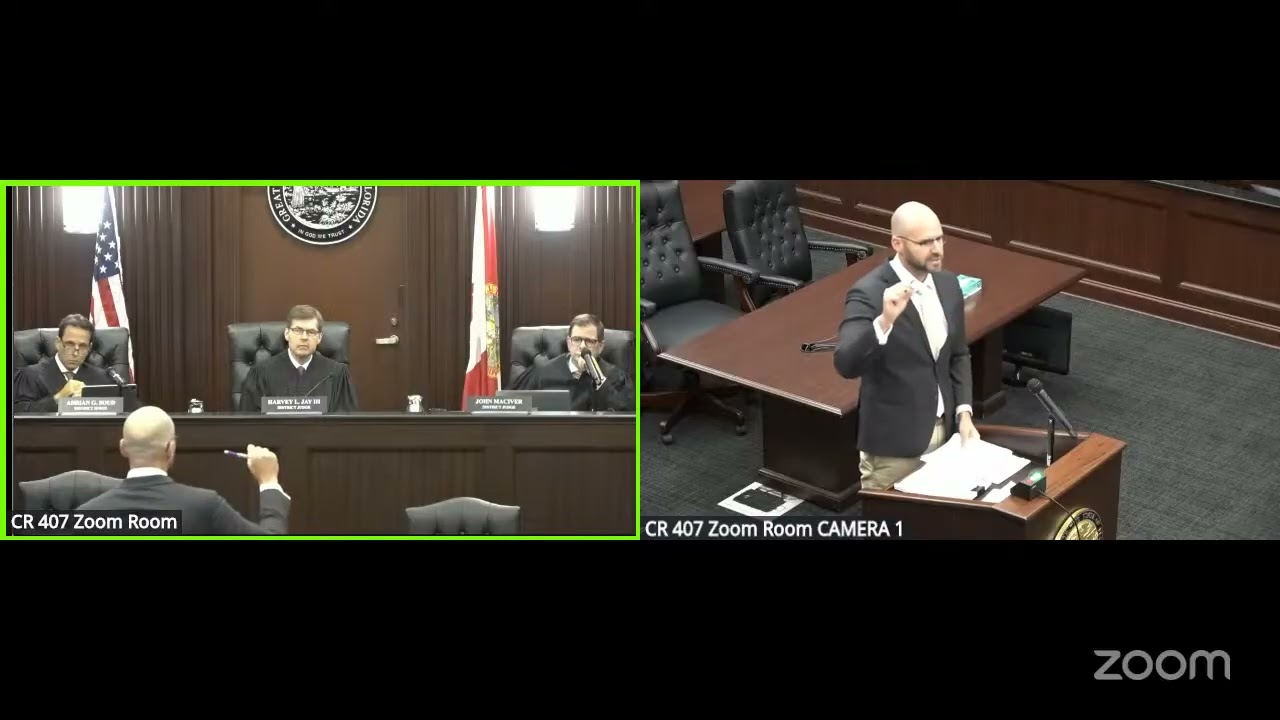
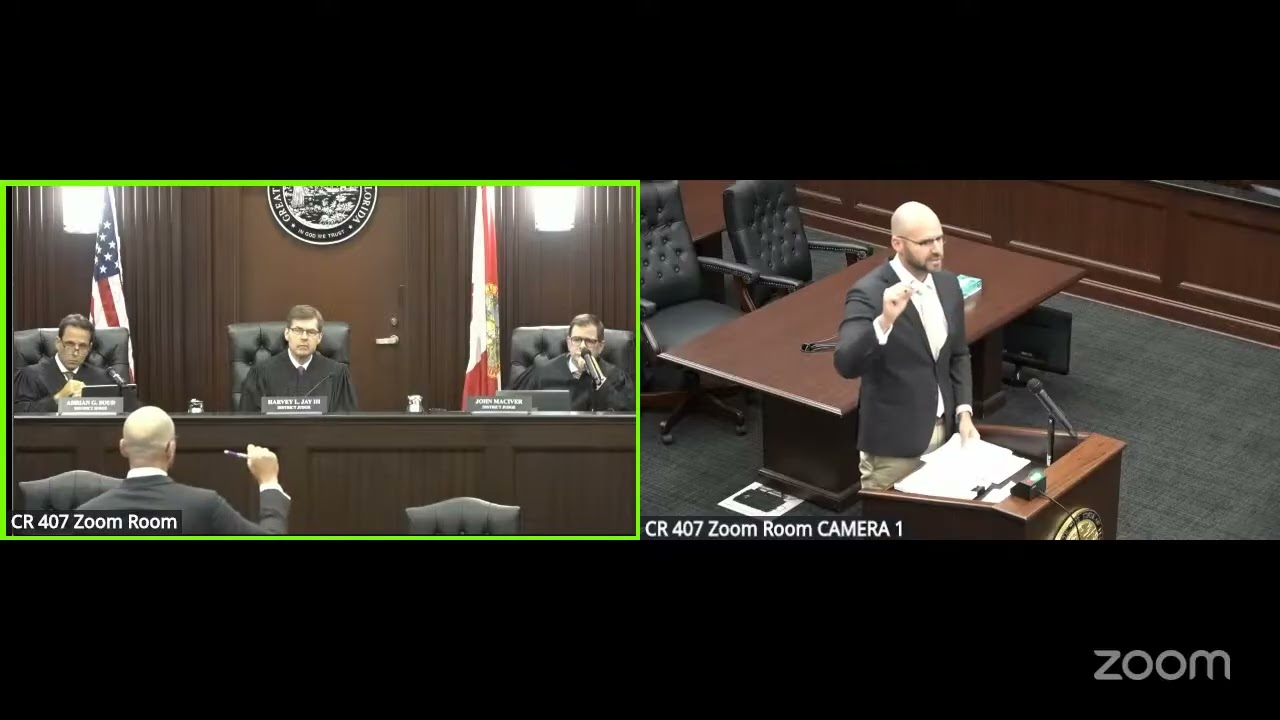
This is the recording of the actual oral argument, posted on the channel. What lawyers and judges say at argument is not the ruling; the decision is summarized above.
Default Judgment Vacated or Not? The 3-Part Test | Storey Mountain v. Ashco, 5D24-2480
Go Deeper
- How to Vacate a Default or Final Judgment in Florida: Rule 1.540 and Its Limits
- When Your Teenager Accepts the Summons: Default in a Partition Case (Tan v. Hua)
Frequently Asked Questions
How do you vacate a default judgment in Florida?
File a motion under Rule 1.540(b) within a reasonable time and no later than one year after the judgment. You must show excusable neglect for missing the deadline, a meritorious defense to the claim, and that you acted with due diligence once you learned of the default. Sworn evidence supporting each point is strongly advised.
What happens if a garnishee does not answer a writ of garnishment in Florida?
The creditor can obtain a default and a judgment against the garnishee under section 77.081, potentially for the full amount of the underlying judgment. That can make a business liable for someone else’s debt, even if it owed the debtor nothing. Answering the writ, even to say nothing is owed, avoids that risk.
Is a phone call to the other side's lawyer excusable neglect?
It can be. In Storey Mountain v. Ashco, the Fifth DCA upheld a finding of excusable neglect where a company’s CEO reasonably believed his call explaining that nothing was owed had resolved the garnishment. The result turned on the trial court’s credibility findings.
Does a motion to vacate a default have to be sworn?
Rule 1.540 does not require the motion itself to be verified. But the facts showing excusable neglect and a meritorious defense must be supported by evidence such as affidavits or testimony. In this case, affidavits served later were enough because the creditor was not prejudiced.
Talk to a Florida civil litigation and appeals lawyer
Weidner Law, P.A. has handled Florida civil litigation and appeals for more than 25 years. If you need a civil litigation lawyer, call (727) 954-8752 or email weidner@mattweidnerlaw.com.
Read the law yourself, free: every Florida statute and court rule is on floridarules.net.
This article is general information about Florida law, not legal advice about your situation. Reading it, watching the videos, or contacting the firm does not create an attorney-client relationship. Every case turns on its own facts, and past results do not guarantee a similar outcome. The hiring of a lawyer is an important decision that should not be based solely upon advertisements.
