
In short: No, at least not under the Florida Consumer Collection Practices Act. In KAC 2021-1, LLC v. American Homes 4 Rent Properties One, LLC, the Second District held on October 30, 2024 that posting a three-day notice under section 83.56 is necessarily preliminary to an eviction and is protected, as a matter of law, by the absolute litigation privilege. The court affirmed dismissal of a claim that posting the notice face-out disclosed the tenant’s debt to the neighborhood.
The Facts
American Homes 4 Rent owned residential property in Hillsborough County rented to a tenant. Before seeking possession for unpaid rent, it posted a three-day notice on the door with the text facing out. KAC 2021-1, LLC, which had taken an assignment of the tenant’s claim, sued the landlord in county court. It alleged that posting the notice face-out disclosed “to the world that the Tenant owed money,” in violation of section 559.72(5) of the Florida Consumer Collection Practices Act, and sought statutory damages under section 559.77.
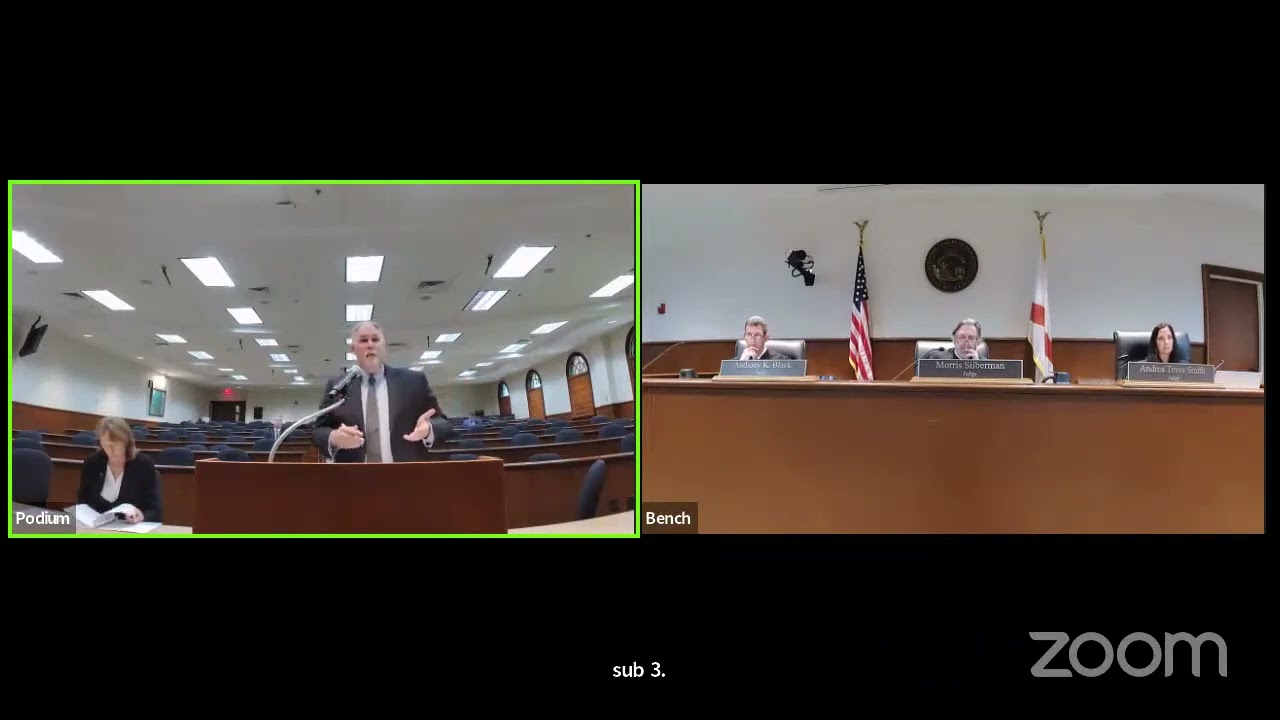
The county court dismissed the amended complaint on the ground that the landlord was immune under the litigation privilege, adopting the reasoning of a Broward County order in another KAC case. KAC appealed. At oral argument on May 15, 2024, the landlord’s lawyer said KAC had brought similar claims around the state and that appeals were pending in the Second, Fourth and Fifth Districts.
- KAC argued that the protected act was delivering the notice, not displaying its contents, and that the landlord could have taped it face-in or put it in an envelope.
- It argued that section 83.56(4) authorizes only mailing, hand delivery, or leaving a copy, and that “posting” did not mean public display.
- The landlord argued it did exactly what the statute requires before an eviction, that “post” means to display, and that a visible notice protects tenants who might otherwise ignore an envelope.
- The panel asked whether a disclosure claim requires an allegation that someone actually saw the notice. The landlord also raised, but the court did not decide, whether an FCCPA claim can be assigned.
The Decision
The Second District affirmed in a written opinion on October 30, 2024. It held that because the landlord was required to give a three-day notice before filing for possession, posting it was conduct “necessarily preliminary” to a judicial proceeding, and the absolute litigation privilege applied.
On the face-out point, the court noted that chapter 83 does not define “post,” looked to dictionary definitions meaning to display in public view, and concluded that posting the notice with its content facing out complied with the statute. It added that a visible notice helps ensure the tenant actually sees it and can act within the three days.
The court rejected KAC’s argument that DelMonico v. Traynor weakened the privilege, explaining that DelMonico’s qualified privilege covers a narrow situation involving a lawyer’s out-of-court statements to nonparty witnesses. It held the privilege can be decided on a motion to dismiss when it appears on the face of the complaint, as it did here. Because the privilege was dispositive, it did not decide whether section 83.56 controls over section 559.72 as the more specific statute.
The court summed up: posting a three-day notice under section 83.56 “is, as a matter of law, protected by the absolute litigation privilege.” Rehearing and rehearing en banc were denied January 7, 2025.
The Law
Section 83.56(3) requires a landlord to deliver a written three-day demand for rent or possession before terminating for nonpayment, in the statutory form, which states the amount owed. Section 83.56(4) governs delivery, and section 83.56(5)(a) refers to “posting the notice for nonpayment.”
Section 559.72(5) of the Florida Consumer Collection Practices Act prohibits disclosing information affecting a debtor’s reputation to a person other than the debtor or the debtor’s family, with knowledge or reason to know the other person has no legitimate business need for it. Section 559.77 provides the private remedy.
Florida’s litigation privilege, recognized for more than a century, gives absolute immunity for conduct in the course of judicial proceedings that has some relation to the proceeding, including conduct necessarily preliminary to filing suit.
Current law (2026): Section 83.56(4) has since been amended to allow delivery of the notice by e-mail in accordance with section 83.505, in addition to mailing, hand delivery, or leaving a copy when the tenant is absent. The KAC opinion addressed the 2022 statute.
Lessons
- In the Second District, a landlord’s posting of a statutory three-day notice, face-out, is privileged. A consumer-collection claim based only on that posting will be dismissed.
- The privilege covers conduct required as a step toward suit. Conduct outside the statute, such as harassment or extra disclosures, is a different question the court did not decide.
- Landlords should use the statutory form and a method authorized by section 83.56(4), and keep proof of delivery.
- In a separate KAC case reported in January 2025, the Fourth District affirmed a ruling that these FCCPA claims are not assignable, another hurdle for assignee-plaintiffs.
- Tenants who receive a three-day notice should act within the three days, excluding weekends and court holidays.
Source: KAC 2021-1, LLC v. American Homes 4 Rent Properties One, LLC, No. 2D2023-1384 (Fla. 2d DCA Oct. 30, 2024); ACIS docket.
Watch the Oral Argument
This is the recording of the actual oral argument, posted on the channel. What lawyers and judges say at argument is not the ruling; the decision is summarized above.
🏛️ Eviction Notice Posted Face-Out — Did American Homes 4 Rent Expose a Tenant's Debt Publicly?
📋 Landlord Posted Eviction Notice Face-Out for Neighbors to Read — Is That a Privacy Violation?
Go Deeper
- Florida Consumer Law: What Constitutes Abusive Debt Collection Practices?
- Can You Evict Someone Who Never Agreed to Pay You Rent? (Borjas v. Vergara)
- Residential Tenant Rights in Florida: Know Your Rights
Frequently Asked Questions
Can a landlord post an eviction notice on my door where neighbors can read it?
Yes. In KAC v. American Homes 4 Rent, the Second District held that posting a three-day notice face-out complies with section 83.56 and is protected by the litigation privilege. The notice is meant to be seen by the tenant.
Is a 3-day notice a debt collection violation in Florida?
Not when the landlord is giving the notice the statute requires before an eviction. The Second District held that posting a statutory three-day notice is necessarily preliminary to a lawsuit and absolutely privileged, so a claim under section 559.72 based on the posting fails.
What is the litigation privilege in Florida?
It is an absolute immunity for conduct during a lawsuit, and for conduct necessarily preliminary to one, as long as it relates to the case. It can be raised on a motion to dismiss when it appears on the face of the complaint.
How does a landlord have to deliver a 3-day notice in Florida?
Section 83.56(4) allows mailing, hand delivery, or leaving a copy at the residence if the tenant is absent, and the current statute also allows e-mail under section 83.505. The notice must follow the statutory form.
Talk to a Florida real estate litigation lawyer
Weidner Law, P.A. handles Florida real estate disputes, title problems and appeals from St. Petersburg. If you need a real estate litigation lawyer, call (727) 954-8752 or email weidner@mattweidnerlaw.com.
Read the law yourself, free: every Florida statute and court rule is on floridarules.net.
This article is general information about Florida law, not legal advice about your situation. Reading it, watching the videos, or contacting the firm does not create an attorney-client relationship. Every case turns on its own facts, and past results do not guarantee a similar outcome. The hiring of a lawyer is an important decision that should not be based solely upon advertisements.
