
In short: Yes, if the plat that dedicated the right of way allows it. In McCormick Properties of Miami, LLC v. SoMi Homes, LLC, an abutting owner in South Miami claimed title to the center line of the street and asked the court to remove dense landscaping planted on the unpaved swale. On May 31, 2023, the Third District affirmed the denial of relief, holding that a plat dedicating the right of way “together with all existing and future planting trees and shrubbery” permits the landscaping, so the court did not need to decide who owns the swale.
The Facts
A 1961 plat dedicated a 50-foot right of way in South Miami, including S.W. 57th Court and about 15 feet of unpaved swale on each side, to the perpetual use of the public. The dedication covered the right of way “together with all existing and future planting trees and shrubbery thereon,” and it had a reverter clause that would end the dedication if the public use were discontinued by law. The parties stipulated that had not happened.
The City of South Miami entered a right of way improvement agreement that required SoMi Homes, LLC, a developer across the street, to landscape the swale on McCormick’s side. The work was finished in 2015. McCormick Properties of Miami, which owns an office property behind a fence along that swale, sued the developer, the neighboring homeowners and the City. It sought to stop interference with its use of the swale and to eject the homeowners from it.
On May 11, 2022, the trial court denied McCormick’s motion for partial summary judgment on those counts and denied its requests for a temporary injunction and ejectment. McCormick appealed that non-final order. At the May 9, 2023 argument:
- McCormick argued it holds title to the center line of the street under the rule of Smith v. Horn, because the original developer never expressly reserved the street when he deeded the lots, and that an abutting owner keeps every property right not inconsistent with the public easement. It argued the City’s easement is for street purposes only and does not let it blanket a 15-foot swale with what counsel called a pocket park.
- The owner defendants argued that the developer showed an intent to keep the street, including in a 1947 right-of-way deed to the City that reserved a reversion, and that in any event the plat language expressly allows future planting of trees and shrubbery, so ownership did not matter.
- The City pointed to its code, which requires landscape maintenance of rights of way and swale areas and a landscape buffer between office and residential uses.
- The panel asked whether ownership even needed to be decided while the right of way was still in public use, and where a court would draw the line on how much landscaping is too much.
The Decision
The Third District affirmed in a written opinion on May 31, 2023. It reviewed only the parts of the order that are appealable before final judgment: the denial of the injunction and of the ejectment claim.
The court treated the question as one of law, the meaning of the plat’s dedication, and reviewed it de novo. Whether a use is consistent with a dedication depends on the intent of the original owner and the public’s acceptance of the use. Because the plat expressly contemplates “future planting trees and shrubbery,” McCormick’s argument would add limits the dedication does not contain. The court noted, as relevant but not dispositive, that the City’s code requires landscape maintenance of swale areas.
Even if McCormick owned the swale as it claimed, it could get relief only if the use had become inconsistent with the dedication, and the record did not show that. The court therefore did not decide who owns the swale and said it expressed no view on the trial court’s ownership findings.
The Law
Under section 177.081(3), once a plat with the owner’s dedication is approved and recorded, the streets and other public areas shown on it are deemed dedicated to the public “for the uses and purposes thereon stated.” That is why the plat language decided this case. A dedication that names landscaping as a purpose carries that purpose with it.
Under the common law rule of Smith v. Horn, 70 So. 435 (Fla. 1915), when a developer who dedicated a street conveys the lots along it, the buyer is presumed to take title to the center of the street unless the developer expressly kept it. That title is subject to the public’s easement. The Third District left for another day how that presumption applies here.
McCormick also cited section 170.01, part of Florida’s municipal special-assessment law, which lets a city provide “related” landscaping when it paves or repaves streets. The opinion did not rest on that statute.
Appeals from orders on temporary injunctions are allowed before final judgment under Florida Rule of Appellate Procedure 9.130. Other parts of a non-final order usually must wait for the final judgment.
Lessons
- Before you fight a city over a right of way, read the recorded plat. The stated uses of the dedication can matter more than who holds title.
- Owning to the center line of the street gives you rights only where they do not conflict with the public’s use as the plat defines it.
- A city can require a developer to do landscaping in the public right of way as a condition of a project, and the abutting owner may have little say if the dedication allows it.
- An appeal from the denial of a temporary injunction is limited. The court will not decide everything the trial court said in the same order.
Source: McCormick Properties of Miami, LLC v. SoMi Homes, LLC, No. 3D22-1006 (Fla. 3d DCA May 31, 2023); ACIS docket.
Watch the Oral Argument
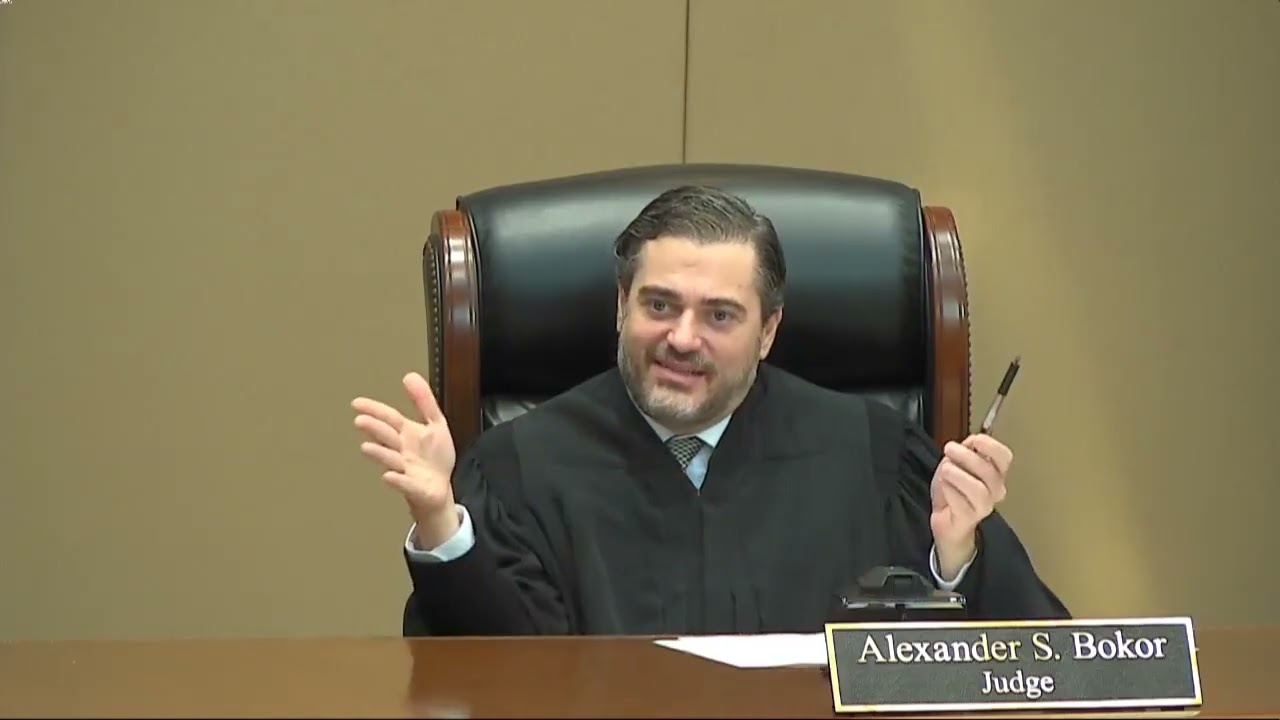
This is the recording of the actual oral argument, posted on the channel. What lawyers and judges say at argument is not the ruling; the decision is summarized above.
🌳 Landscaping Blankets the Swale — Who Owns the Street to the Center Line? Florida Appeal
Who Owns the Swale? Centerline Presumption vs. a City's Plat Dedication
Go Deeper
- Can a Court Block a Sidewalk Without Hearing From Those It Hurts? (Two Islands v. Clarke)
- A 1974 Park Deed's Reverter Clause Survives: Not a Dedication Under 95.36 (1000 Brickell v. City of Miami)
- Does a Quiet Title Judgment Wipe Out an Easement Nobody Pleaded? (Keys Island v. Crow)
Frequently Asked Questions
Who owns the swale in front of my property in Florida?
Often the abutting owner holds title to the center of the street, subject to the public’s right of way, under the rule of Smith v. Horn. But the original developer can keep that title by expressly reserving it, and the deeds and plat must be checked. In McCormick, the court did not need to decide ownership.
Can the city plant trees in the right of way next to my house?
Usually, if the use fits the dedication. In McCormick, the plat dedicated the street together with existing and future planting of trees and shrubbery, so the Third District held dense landscaping on the swale was not inconsistent with the dedication. Section 177.081(3) makes the purposes stated on a recorded plat part of the dedication.
Can I remove landscaping the city or a developer put on my swale?
Not on your own if the planting is consistent with the public dedication. McCormick sought an injunction and ejectment and lost because the plat allowed future planting. Check the plat and your city code before removing anything.
What does 'title to the center line of the street' mean?
It means the abutting owner owns the land under half of the street, but subject to the public easement. The owner can use that strip only in ways that do not interfere with the public’s use, and if the dedication ends, the owner holds it free of the easement.
Talk to a Florida real estate litigation lawyer
Weidner Law, P.A. handles Florida real estate disputes, title problems and appeals from St. Petersburg. If you need a real estate litigation lawyer, call (727) 954-8752 or email weidner@mattweidnerlaw.com.
Read the law yourself, free: every Florida statute and court rule is on floridarules.net.
This article is general information about Florida law, not legal advice about your situation. Reading it, watching the videos, or contacting the firm does not create an attorney-client relationship. Every case turns on its own facts, and past results do not guarantee a similar outcome. The hiring of a lawyer is an important decision that should not be based solely upon advertisements.
