

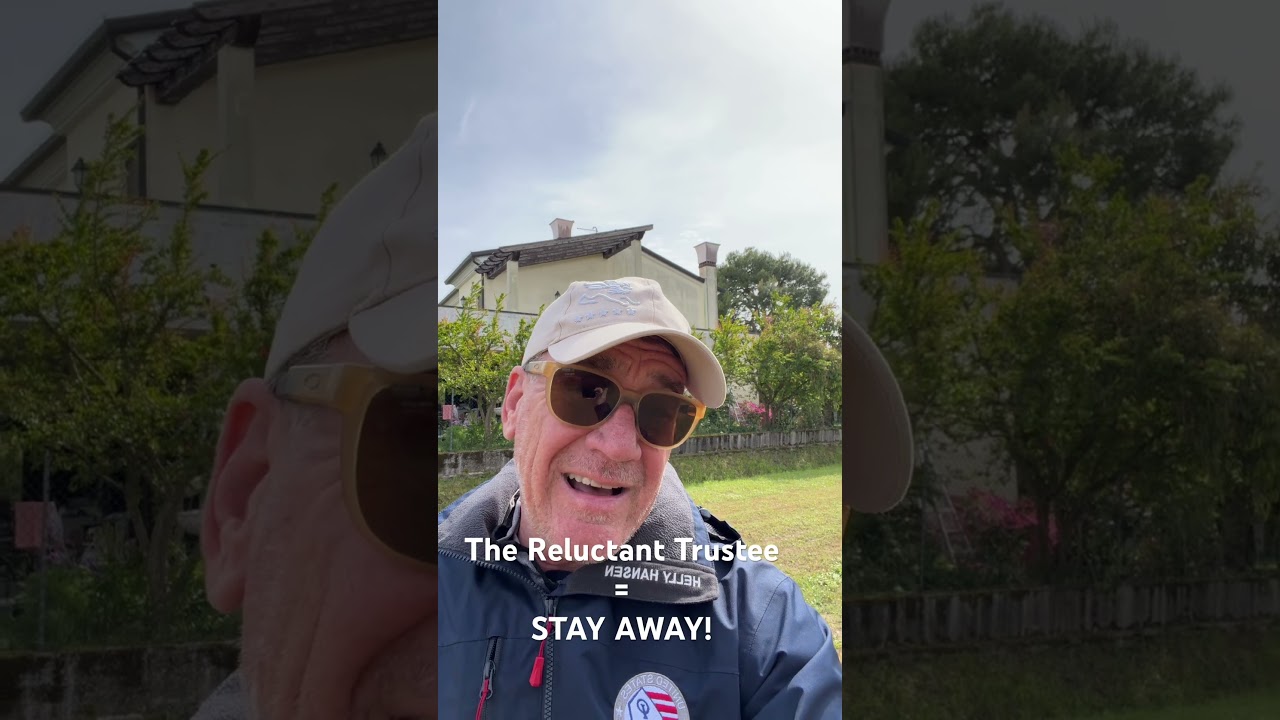
In short: You don’t have to accept a Florida trusteeship. If you don’t accept within a reasonable time, you’re deemed to have declined (§ 736.0701). Once you accept, you can resign on at least 30 days’ notice to the qualified beneficiaries, the settlor if living, and any co-trustees, but resigning doesn’t erase liability for what you already did (§ 736.0705). A trustee is entitled to reasonable compensation (§ 736.0708), and in a high-conflict family it rarely matches the work.
“Dad wants you to be trustee so the kids don’t blow the money.” Matt’s advice for anyone who hears that sentence: understand what you’re agreeing to before you say yes. In a peaceful family, it’s a responsibility. In a high-conflict family, he calls it a trap.
What a Trustee Actually Does
A trustee holds legal title to the trust property and manages it for the beneficiaries. That means:
- A duty of loyalty: administer the trust “solely in the interests of the beneficiaries” (§ 736.0802).
- Prudent investment under Florida’s prudent investor rule.
- Keeping the qualified beneficiaries reasonably informed, including notice within 60 days, a copy of the trust on request, and at least annual accountings (§ 736.0813). See trustee duties and beneficiary rights.
- Following the trust terms, even when a beneficiary, or your own sense of fairness, wants something different.
The Trap in High-Conflict Families
In one video, Matt describes a court-appointed attorney trustee with an accounting background who spent years refereeing siblings who would not let one another receive a penny more. Every objection cost money that should have gone to the beneficiaries. His takeaway for parents: before setting up a trust to control your kids from the grave, ask whether an outright split would cause less damage.
You Can Say No
Under § 736.0701, a person named trustee who doesn’t accept within a reasonable time after learning of the designation is deemed to have declined. You accept by signing an acceptance, taking delivery of trust property, or acting as trustee. If you haven’t done any of those things, you can still walk away.
You Can Also Get Out Later
Section 736.0705(1) lets a trustee resign “upon at least 30 days’ notice to the qualified beneficiaries, the settlor, if living, and all cotrustees,” or with court approval. Matt’s point in the video: one decision, and you’re out. But resignation doesn’t discharge liability for what happened on your watch, so get your records and accounting in order first.
Getting Paid
If the trust is silent, a trustee is entitled to “compensation that is reasonable under the circumstances” (§ 736.0708(1)). A court can reduce or deny compensation for a breach of trust (§ 736.1001). If the lawyer who drafted the trust names himself trustee, there are disclosure requirements before he can be paid (§ 736.0708(4)). The oral arguments below include fights over a sole trustee paying himself and an attorney-trustee surcharged for failed accountings.
When the Market Turns
Matt’s longer video on trust administration flags a blind spot: most trust portfolios sit in equities, and few trustees have a plan for a crash. If you’re the trustee, document your investment decisions and the advice you relied on. If you’re a beneficiary, ask how the trust is invested.
Removal and Liability
A court may remove a trustee for “serious breach of trust,” lack of cooperation among co-trustees, unfitness or persistent failure to administer the trust, or changed circumstances (§ 736.0706). Remedies for breach include surcharge, accounting, a constructive trust, and reduced or denied compensation, and the court shall award attorney fees in breach of trust actions (§§ 736.1001, 736.1004). See suing a Florida trustee.
Watch: the videos behind this article
FAMILY DRAMA- Why You Should NEVER Say “Yes” to Being Trustee!
Why I’m Done With Trusts: A Warning from an Attorney in Administration Hell
Basics of Florida Trust Administration — Your Most Asked Questions Answered
Trustee: When the Market Crashes, What Is Your Trust Actually Holding?
More Short Videos on This Issue


Watch the Real Appellate Arguments
These are recordings of actual Florida appellate oral arguments, posted on the channel. Watch how the judges question both sides. Read the written opinion before relying on any outcome: an argument is not a ruling.
Trustee Removal Over a Secret Fee Deal? Florida Trust
Can a Sole Trustee Pay Himself From the Trust? | Florida Breach of Trust Appeal
Attorney-Trustee Surcharged $600K: Failed Accountings, Fees on Empty Trust | 23-968/2049
Sole Trustee Self-Dealing — Can One Person Be Grantor, Trustee & Beneficiary? | 24-0465 | FL DCA
Go Deeper
- Florida Trustee Duties & Beneficiary Rights
- Suing a Florida Trustee for Stealing or Mismanagement
- Trustee Self-Dealing and the Duty of Loyalty
- When a Revocable Trust Fails in Florida
Frequently Asked Questions
Do I have to accept being named trustee in Florida?
No. Under § 736.0701, a person named trustee who does not accept within a reasonable time after learning of the designation is deemed to have declined. Acceptance usually happens by signing an acceptance, taking delivery of trust property, or exercising trustee powers.
How does a trustee resign in Florida?
By giving at least 30 days’ notice to the qualified beneficiaries, the settlor if living, and all co-trustees, or with court approval (§ 736.0705(1)). Resignation doesn’t relieve the trustee of liability for prior acts or omissions.
How much does a trustee get paid in Florida?
If the trust doesn’t set compensation, the trustee is entitled to “compensation that is reasonable under the circumstances” (§ 736.0708(1)). Family trustees often waive it; professional trustees usually charge a percentage or hourly fee.
Can a trustee be removed in Florida?
Yes. Under § 736.0706, a court can remove a trustee for a serious breach of trust, lack of cooperation among co-trustees, unfitness or persistent failure to administer the trust effectively, or substantially changed circumstances when removal serves the beneficiaries.
Talk to a Florida probate litigator
Weidner Law, P.A. handles Florida probate, trust, guardianship, and will disputes from St. Petersburg. If you need a probate litigation lawyer in St. Petersburg or anywhere in Florida, call (727) 954-8752 or email weidner@mattweidnerlaw.com.
Read the law yourself, free: the full Florida Probate Code and Probate Rules and the Florida Trust Code are on floridarules.net.
This article is general information about Florida law, not legal advice about your situation. Reading it, watching the videos, or contacting the firm does not create an attorney-client relationship. Every case turns on its own facts, and past results do not guarantee a similar outcome. The hiring of a lawyer is an important decision that should not be based solely upon advertisements.
