
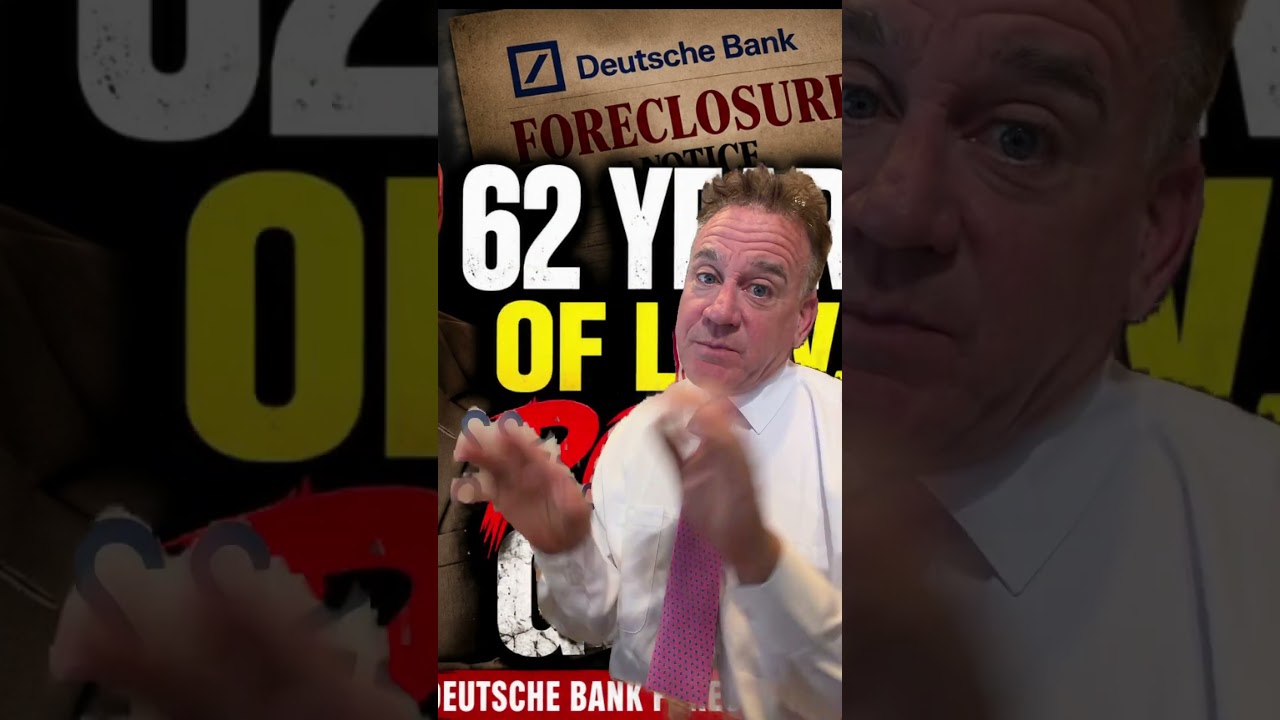

In short: In Ruffenach v. Deutsche Bank National Trust Co., No. 6D2023-1482 (Fla. 6th DCA Mar. 20, 2026), the court affirmed a foreclosure but struck the bank’s attorney’s fees because it filed no time records. Along the way it held that Florida trial courts do not always need expert testimony to award fees, and certified conflict with 37 decisions from the other districts.
The facts
Deutsche Bank, as trustee, foreclosed on Charles Ruffenach’s home in Orange County (Case No. 2020-CA-007792-O, Judge Vincent Falcone III). The appeal began in the Fifth District and moved to the new Sixth District on January 1, 2023.
The final judgment folded the bank’s attorney’s fees into a “recoverable balance” line. The bank offered no time records, no fee expert and no evidentiary hearing on the amount.
The decision
Judge Mize wrote for the panel, with Judges Gannam and Pratt concurring. The court affirmed the foreclosure itself and reversed the fee award.
On the fees, the court held that the party seeking them must still prove a reasonable fee under the lodestar method of Florida Patient’s Compensation Fund v. Rowe, 472 So. 2d 1145 (Fla. 1985): records of the hours worked and a reasonable hourly rate. The bank filed no records, so the award could not stand.
The court did not send the case back for a second try. It remanded only for an amended judgment without the fees, reasoning that a party that fails its burden of proof is not entitled to another proceeding to meet it.
The broader holding is about experts. The court held that a trial court need not always receive expert testimony before awarding fees, and that no evidentiary hearing is required when the only disputes are the hourly rate and the reasonableness of the hours. That breaks with a rule traced to a 1964 Second District decision, Lyle v. Lyle, which the opinion says invented the expert requirement. Judge Mize also wrote a special concurrence describing the decision as correcting a long-standing error in Florida law.
Reported as 431 So. 3d 1055 (Fla. 6th DCA 2026).
Why it matters
The court certified direct conflict with 37 decisions from the Second, Third, Fourth and Fifth Districts. That gives the Florida Supreme Court jurisdiction to resolve the split. As of this writing we have not confirmed whether review was sought.
Until the Supreme Court acts, the rule depends on where the case is. Trial courts in the Sixth District (the Ninth, Tenth and Twentieth Circuits, including Orange, Osceola, Polk and Lee Counties) follow Ruffenach. Courts in the other districts remain bound by their own district’s expert-testimony precedent.
For homeowners in foreclosure, the more useful part may be the remedy. A lender that rolls fees into the judgment without proof does not get a second chance once the appellate court finds no evidence.
A note on the video
The short on this page says the bank “confessed error.” The opinion summaries we reviewed do not show a confession of error. The bank did not dispute that it filed no work records, but it asked for a remand to prove its fees, which the court refused.
Lessons
- Check every “recoverable balance” in a proposed foreclosure judgment for fees and costs the lender never proved.
- Object to fee awards entered without time records, and preserve the objection for appeal.
- Know your district: the expert-testimony rule now differs between the Sixth District and the rest of Florida.
- Watch for Florida Supreme Court action on the certified conflict.
Watch the Video
Ruffenach v. Deutsche Bank: The Sixth DCA and 62 Years of Florida Fee Law
Go Deeper
- Deficiency Judgments in Florida
- How Appeals Work in Florida: The 30-Day Deadline, Costs, and What a PCA Means
- How to Vacate a Default or Final Judgment in Florida: Rule 1.540
Frequently Asked Questions
Does a Florida court need expert testimony to award attorney’s fees?
In the Sixth District, not always, after Ruffenach v. Deutsche Bank (2026). The other districts still require it under their own precedent, and the Sixth District certified conflict to the Florida Supreme Court.
What proof is still required for a fee award?
The party seeking fees must prove a reasonable fee under the Rowe lodestar method, which means records of the hours worked and a reasonable hourly rate.
Can a lender add attorney’s fees to a foreclosure judgment without proof?
No. In Ruffenach the bank filed no time records, so the appellate court struck its fees and did not let it try again on remand.
Which counties does the Sixth District Court of Appeal cover?
The Ninth, Tenth and Twentieth Judicial Circuits, including Orange, Osceola, Polk, Highlands, Hardee, Lee, Collier, Charlotte, Glades and Hendry Counties.
Talk to a Florida foreclosure defense lawyer
Weidner Law, P.A. defends Florida homeowners in foreclosure and handles foreclosure appeals from St. Petersburg. If you need a foreclosure defense lawyer, call (727) 954-8752 or email weidner@mattweidnerlaw.com.
Read the rules yourself, free: the Florida Rules of Civil and Appellate Procedure and Florida Statutes are on floridarules.net.
This article is general information about Florida law, not legal advice about your situation. Reading it, watching the videos, or contacting the firm does not create an attorney-client relationship. Every case turns on its own facts, and past results do not guarantee a similar outcome. The hiring of a lawyer is an important decision that should not be based solely upon advertisements.
