

In short: Most reverse mortgages are FHA-insured HECMs. The loan generally becomes due and payable when the last borrower dies and the home is no longer the principal residence of a surviving borrower (24 CFR 206.27). Heirs can pay it off, sell, or let the lender foreclose. Under HUD’s rules, a due-and-payable HECM home can generally be sold for no more than 95% of appraised value, and HECMs are non-recourse: the heirs are not personally liable for a shortfall.
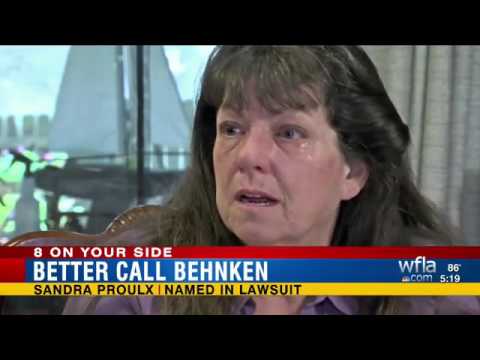
Television ads sell reverse mortgages as a way to make sure the house is never a burden to your children. The Tampa Bay news story in this video shows what can go wrong: years after her parents died, a daughter was sued in a reverse mortgage foreclosure, followed by aggressive collection calls, on a house the lender had let sit empty and lose value.
Matt reviewed the paperwork for the station and said what is still true: this was not the children’s problem. The lender should have taken the house back and sold it years earlier.
How a HECM Becomes Due
Most reverse mortgages are Home Equity Conversion Mortgages insured by FHA. Under 24 CFR 206.27(c), the loan becomes due “if a borrower dies and the property is not the principal residence of at least one surviving borrower,” subject to a deferral for an eligible non-borrowing spouse. Other triggers include moving out for more than 12 months and failing to pay taxes or insurance.
The Heirs’ Options
- Pay it off and keep the house.
- Sell the house. Under HUD’s rules, a due-and-payable property can be sold for an amount “which shall not exceed 95 percent of the appraised value” (24 CFR 206.125(a)(2)(ii)), even if the loan balance is higher.
- Do nothing or sign a deed in lieu, and let the lender take the house.
The servicer will typically give the estate a short window to respond, with possible extensions if the heirs are actively selling or refinancing. Get every deadline in writing.
Non-Recourse: The Heirs Don’t Owe the Shortfall
A HECM is non-recourse. If the house is worth less than the loan balance, FHA insurance covers the difference. The heirs aren’t personally liable for a debt they never signed, and collection calls suggesting otherwise should be answered by a lawyer.
The Florida Overlay
In Florida, the house may also be protected homestead, and probate may be needed to give the heirs title to sell or refinance. If there’s equity, act quickly: a reverse mortgage balance grows every month, and a vacant house deteriorates. See foreclosure after the borrower dies and heirs fighting over a house in probate.
The Oral Argument
The second video is a Third District Court of Appeal argument in a reverse mortgage foreclosure. Watch the questioning, then read the opinion before relying on the outcome.
Watch: the videos behind this article
Reverse Mortgage Nightmare
Watch the Real Appellate Arguments
These are recordings of actual Florida appellate oral arguments in foreclosure cases, posted on the channel. Watch how the judges question both sides. Read the written opinion before relying on any outcome: an argument is not a ruling.
Reverse Mortgage Foreclosure DISMISSED | 3DCA 14-2373 | FL Foreclosure Defense | Oral Arg.
Go Deeper
- Foreclosure After the Borrower Dies in Florida: Heirs, Probate, and Zombie Mortgages
- Surviving Spouse Homestead Rights in Florida
- Heirs Fighting Over a House in Florida Probate
Frequently Asked Questions
What happens to a reverse mortgage when the borrower dies in Florida?
The loan generally becomes due and payable when the last borrower dies and no surviving borrower lives in the home (24 CFR 206.27(c)). The servicer notifies the estate and heirs, and they can repay, sell, or give up the property.
Are heirs personally liable for a reverse mortgage?
Not for an FHA-insured HECM. It’s a non-recourse loan: the debt is satisfied from the home, and HUD insurance covers a shortfall. Heirs who don’t sign a note don’t take on personal liability by inheriting.
Can heirs keep a house with a reverse mortgage?
Yes, if they pay off the loan. HUD rules generally let heirs satisfy a due-and-payable HECM by paying the lesser of the loan balance or 95% of the home’s current appraised value. Ask the servicer for its timeline and extension options in writing.
Can a non-borrowing spouse stay in the house?
Possibly. HUD rules allow a deferral of the due-and-payable status for an eligible non-borrowing spouse who meets the program conditions. The details depend on when the loan was made and how the spouse was identified.
Talk to a Florida foreclosure defense lawyer
Weidner Law, P.A. has defended Florida homeowners in foreclosure for more than 25 years, from St. Petersburg. If you need a foreclosure defense lawyer in St. Petersburg or anywhere in Florida, call (727) 954-8752 or email weidner@mattweidnerlaw.com.
Read the law yourself, free: Chapter 702, Florida Statutes (Foreclosure of Mortgages and Liens) and Chapter 45 (Judicial Sales).
This article is general information about Florida law, not legal advice about your situation. Reading it, watching the videos, or contacting the firm does not create an attorney-client relationship. Every case turns on its own facts, and past results do not guarantee a similar outcome. The hiring of a lawyer is an important decision that should not be based solely upon advertisements.
