
In short: Generally no, at least where actual damage is an element of the claim, as with fraud and breach of fiduciary duty. In the Heritage Manor case, the sellers of a Palm Beach County cemetery proved their own lawyer took a kickback from the buyer, but the jury found they got fair value for the property. The Fourth District threw out a $2 million fee award and $2.21 million in punitive damages in 2018. The Florida Supreme Court heard argument and then, on September 10, 2020, discharged jurisdiction, leaving that decision in place.
The Facts
Heritage Manor of Memorial Park, Inc. and related sellers hired a law firm to handle the sale of a cemetery business and its land. The buyers, DFG Group, LLC, Edward Falcone and Arthur Falcone, paid $6,125,000. According to the Fourth District’s opinion, a lawyer at the sellers’ firm represented both sides of the deal and received a $100,000 kickback from the buyers after closing.
The sellers sued their lawyers and the buyers in Palm Beach County. The lawyers settled. Against the buyers, the sellers pleaded fraud, breach of contract, conspiracy to breach fiduciary duty, aiding and abetting breach of fiduciary duty and civil theft, and sought punitive damages.
The jury awarded $0 in damages for the sale of the business and land, $2,000,000 for the attorney’s fees and costs the sellers incurred in the transaction, and punitive damages of $2,110,000 against DFG Group and $100,000 against Edward Falcone. The trial court set off the lawyers’ settlement and entered judgment for the sellers. Instead of rescinding the sale, the sellers elected to affirm the contract and keep the purchase price.
The Decision
On January 24, 2018, the Fourth District reversed the fee award and the punitive damages in DFG Group, LLC v. Heritage Manor of Memorial Park, Inc., No. 4D16-2972. A party defrauded into a sale may rescind or affirm. Rescission can bring back expenses of the deal, including attorney’s fees. A party who affirms keeps the deal and is limited to the difference between the price and the property’s value. The jury found no such difference, so the sellers had no compensatory damages, and without compensatory damages the punitive award could not stand. A special concurrence noted that actual damage is an element of fraud and fiduciary-duty claims and that the lawyers’ misconduct could be addressed through Bar discipline.
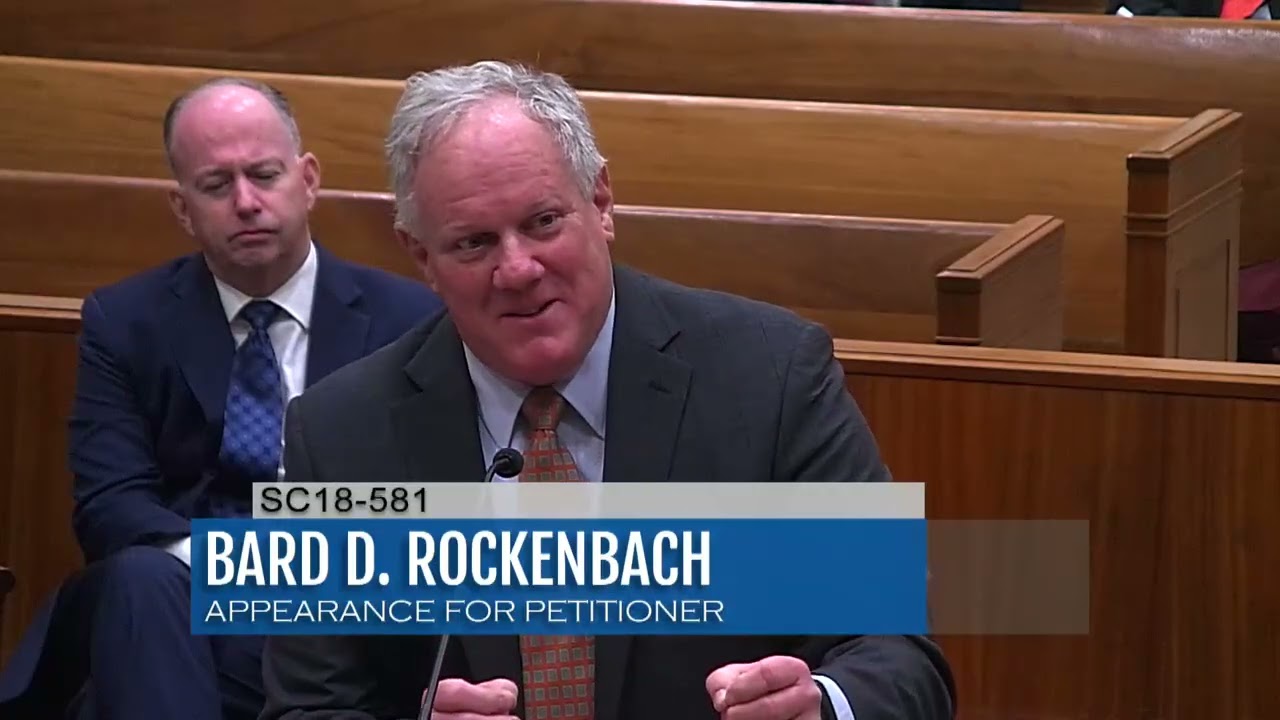
The sellers sought review in the Florida Supreme Court on conflict grounds, and the Court heard argument on February 6, 2020. On September 10, 2020, the Court discharged jurisdiction and dismissed the case without a merits opinion, so the Fourth District’s decision stands. The points below are what the lawyers argued at the Supreme Court, not findings by the Court.
- The sellers relied on Ault v. Lohr, 538 So. 2d 454 (Fla. 1989), for the idea that a finding of liability alone can support punitive damages, and argued the betrayal of attorney-client confidences was itself a harm that deserves a remedy.
- The buyers argued Ault applies to torts like assault where damages are presumed, not to claims where actual loss is an element, and that by affirming the contract the sellers accepted the price and their own closing costs.
- The buyers also argued that a punitive award with zero compensatory damages could not meet federal due process limits on the ratio between punitive and actual damages.
The Law
Punitive damages in Florida are controlled by statute. Under section 768.72, a defendant can be held liable for punitive damages only on clear and convincing evidence of intentional misconduct or gross negligence. Section 768.73 generally limits the award to the greater of three times compensatory damages or $500,000, with higher limits for some kinds of misconduct.
The Heritage Manor decision adds a common-law rule on top of the statutes: for claims where actual damage is an element, such as fraud and breach of fiduciary duty, a punitive award needs a compensatory award to rest on. Ault v. Lohr, an intentional tort case, allowed punitive damages on a finding of liability even without compensatory damages. The sellers argued that rule should apply to them; because the Supreme Court discharged jurisdiction, it did not decide how far Ault reaches.
The election between rescission and affirmance drove the result. A seller who keeps the money and affirms the sale is measured by the value of what it gave up, not by the cost of a deal it chose to keep.
Lessons
- If you were defrauded in a real estate sale, decide early whether to rescind or affirm. The choice controls what damages you can recover.
- A jury finding of wrongdoing is not enough. For fraud and fiduciary claims, prove a dollar loss or the punitive damages may fall with it.
- Make sure your lawyer in a sale represents only you, and ask about any payment from the other side.
- When the Florida Supreme Court discharges jurisdiction, the district court’s opinion remains the governing decision.
Source: Heritage Manor of Memorial Park, Inc. v. DFG Group, LLC, No. SC18-581 (Fla. Sept. 10, 2020) (jurisdiction discharged); DFG Group, LLC v. Heritage Manor of Memorial Park, Inc., 237 So. 3d 419 (Fla. 4th DCA Jan. 24, 2018), No. 4D16-2972.
Watch the Oral Argument
Recording of the Florida Supreme Court oral argument on February 6, 2020, posted on the channel. What lawyers and justices say at argument is not the ruling; the Court later discharged jurisdiction without deciding the merits.
🎯 A Fight Over Cemetery Property Rights Reaches the Supreme Court
Go Deeper
- Punitive Damages Against a Corporate Trustee: Certiorari Denied (Worth v. Estate of Stern)
- $10 Recited but Never Paid: Can You Rescind the Deal? (Weiss v. MSR Partners)
- The Closing Agent Stole the Money: Who Takes the Loss, Buyer or Seller? (Kleyman v. Etheria)
Frequently Asked Questions
Can you get punitive damages without compensatory damages in Florida?
Usually not for claims like fraud or breach of fiduciary duty, where actual damage is an element. In the Heritage Manor case the Fourth District struck $2.21 million in punitive damages once the only compensatory award was reversed. In Ault v. Lohr, an intentional tort case, the Florida Supreme Court allowed punitive damages on a finding of liability alone.
What happens if my lawyer secretly worked for the other side in a real estate sale?
You may have claims against the lawyer and anyone who conspired with or aided the breach, and the lawyer may face Bar discipline. In Heritage Manor the lawyers settled, but the claims against the buyer produced no lasting recovery because the jury found the sellers received fair value.
Should I rescind or affirm a real estate contract after fraud?
It depends on what you lost. Rescission unwinds the deal and can recover transaction expenses such as attorney’s fees, but you must give back what you received. Affirming lets you keep the deal and recover only the difference between the price and the property’s value.
How much can punitive damages be in Florida?
Section 768.73 generally caps punitive damages at the greater of three times compensatory damages or $500,000, with higher caps for conduct driven by unreasonable financial gain or specific intent to harm. A plaintiff must first prove intentional misconduct or gross negligence by clear and convincing evidence under section 768.72.
Talk to a Florida real estate litigation lawyer
Weidner Law, P.A. handles Florida real estate disputes, title problems and appeals from St. Petersburg. If you need a real estate litigation lawyer, call (727) 954-8752 or email weidner@mattweidnerlaw.com.
Read the law yourself, free: every Florida statute and court rule is on floridarules.net.
This article is general information about Florida law, not legal advice about your situation. Reading it, watching the videos, or contacting the firm does not create an attorney-client relationship. Every case turns on its own facts, and past results do not guarantee a similar outcome. The hiring of a lawyer is an important decision that should not be based solely upon advertisements.
