
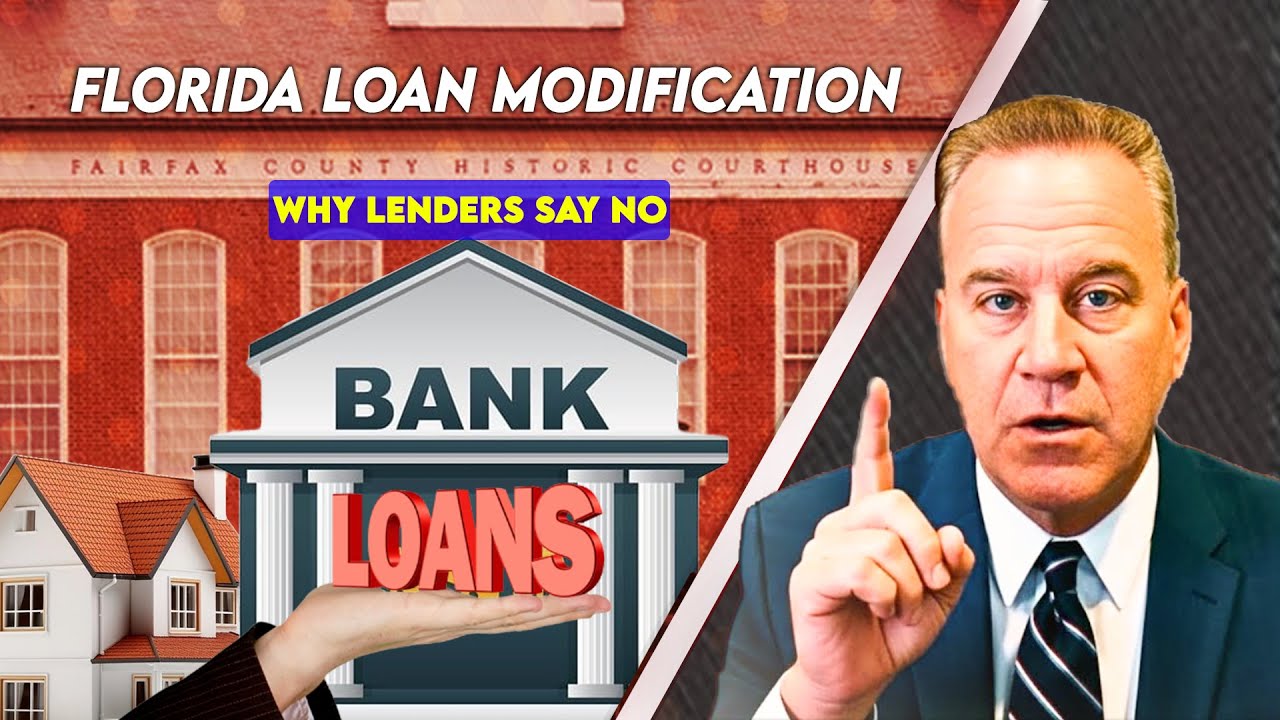

In short: Federal Regulation X (12 CFR 1024.41) controls how servicers handle modification and forbearance requests. A complete application must be evaluated within 30 days. If it arrives more than 37 days before a scheduled sale, the servicer can’t move for judgment or hold the sale until it’s resolved. The lawsuit keeps running, so you still have to answer it. In 2026, approvals turn on hard numbers, not hardship stories.
In the last foreclosure crisis, Matt used to tell clients: if you have income, you will probably get a modification. He says in these 2026 videos that this is no longer true. The COVID-era and hurricane-era programs that pushed arrears to the back of the loan were emergency mandates. Those mandates are gone. What’s left is a federal procedure, investor guidelines, and math.
Your Servicer Doesn’t Write the Rules
Matt makes this point directly: whether you keep your house “is not your bank” deciding. The terms come from whoever owns or insures the loan: Fannie Mae, Freddie Mac, FHA, VA, USDA, or a private investor. Each has its own servicing guide and modification programs, and the servicer applies them.
The Federal Procedure: Regulation X, 12 CFR 1024.41
Regardless of investor, most servicers must follow the federal loss mitigation rule:
- Acknowledgment. If you send an application 45 or more days before a sale, the servicer must tell you within 5 days (excluding weekends and federal holidays) whether it’s complete and what’s missing.
- 30-day evaluation. A complete application must be evaluated for all available options within 30 days (§ 1024.41(c)(1)).
- No first filing during review. If you submit a complete application before the foreclosure is filed, the servicer can’t make the first filing until you’ve been evaluated and any appeal or offer period runs out.
- The 37-day rule. If a complete application arrives after filing but “more than 37 days before a foreclosure sale,” the servicer “shall not move for foreclosure judgment or order of sale, or conduct a foreclosure sale” until the process is finished (§ 1024.41(g)).
- Appeal. If you’re denied a modification and the application came in 90 or more days before a sale, you can appeal (§ 1024.41(h)).
Violations are enforceable under RESPA, 12 U.S.C. § 2605(f). See servicer errors and RESPA.
The Trap: Negotiating While the Lawsuit Runs
Matt has watched it happen for 20 years. A homeowner gets served, calls the servicer, starts the modification process, and stops paying attention to the court case. A default gets entered. The modification application doesn’t extend your deadline to answer. Answer the lawsuit and pursue the modification at the same time.
In 2026, It’s About Paperwork and Math
Matt expects modification decisions to be data-driven and largely automated: upload documents, the system runs the numbers, and you qualify or you don’t. Get ready now:
- Two years of tax returns
- Recent pay stubs or profit-and-loss statements
- Two to three months of bank statements
- A written hardship explanation
- A realistic monthly budget
If the math doesn’t work on paper, it won’t work. He also warns that the further behind you fall, the more likely you are to fall outside the guidelines. Start early.
Forbearance Is Not Forgiveness
Forbearance pauses or reduces payments for a time. The missed amount still has to be dealt with, through repayment, a deferral, or a modification. Get the exit terms in writing before you agree. See forbearance vs. foreclosure.
Beware of Paid “Modification Help”
Anyone who isn’t your lawyer and asks for money before finishing the work is likely violating Florida’s foreclosure-rescue law, § 501.1377. See foreclosure rescue scams.
Watch: the videos behind this article
Loan modification or forbearance in Florida
What Is a Loan Modification in Florida Foreclosure Cases? (2026 Warning)
Thinking About Mortgage Foreclosure or Forbearance? Watch This First
Can I qualify for a loan modification if I received a foreclosure notice?
More Short Videos on This Issue




Go Deeper
- Loan Modification in Florida 2026: What Banks Won’t Tell You
- What Is a Loan Modification in Florida Foreclosure Cases?
- Mortgage Forbearance vs. Foreclosure in Florida
- Mortgage Servicer Errors and RESPA: Building Your Case Before the Bank Files
Frequently Asked Questions
Can I get a loan modification after a foreclosure is filed in Florida?
Yes, servicers can still evaluate you after filing. Under 12 CFR 1024.41(g), if a complete application is received more than 37 days before a foreclosure sale, the servicer can’t move for judgment or conduct the sale until it has evaluated you and any appeal or offer period has run.
Does applying for a modification stop the foreclosure lawsuit?
No. The protections limit what the servicer can do at judgment and sale, but your deadline to answer the complaint does not change. Respond to the lawsuit and pursue the modification at the same time.
Can I qualify for a loan modification with bad credit?
Credit score is usually not the deciding factor. Investor guidelines from Fannie Mae, Freddie Mac, FHA, and VA focus on documented income, expenses, and hardship.
Who decides whether I get a loan modification?
Your servicer applies the guidelines of whoever owns or insures the loan, such as Fannie Mae, Freddie Mac, FHA, VA, or a private investor. The servicer is applying rules set by someone else.
Talk to a Florida foreclosure defense lawyer
Weidner Law, P.A. has defended Florida homeowners in foreclosure for more than 25 years, from St. Petersburg. If you need a foreclosure defense lawyer in St. Petersburg or anywhere in Florida, call (727) 954-8752 or email weidner@mattweidnerlaw.com.
Read the law yourself, free: Chapter 702, Florida Statutes (Foreclosure of Mortgages and Liens) and Chapter 45 (Judicial Sales).
This article is general information about Florida law, not legal advice about your situation. Reading it, watching the videos, or contacting the firm does not create an attorney-client relationship. Every case turns on its own facts, and past results do not guarantee a similar outcome. The hiring of a lawyer is an important decision that should not be based solely upon advertisements.
