
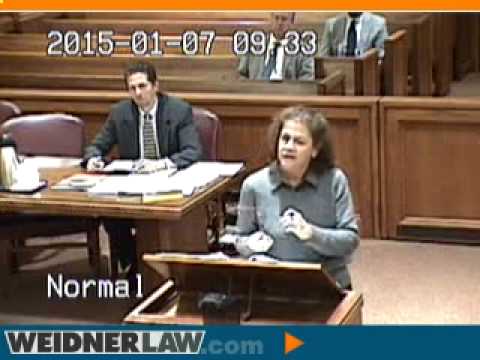
In short: Often yes: once a tax lien has been paid and satisfied of record, a suit to void that lien risks being dismissed as moot unless the issue is of great public importance or likely to recur. In Charney v. Sarasota County Property Appraiser, a married couple challenged a homestead exemption lien on a Venice home titled only in the wife’s name, after their mortgage servicer had paid it from escrow. The Second District affirmed the judgment for the property appraiser on January 21, 2015, without a written opinion, and denied rehearing on March 16, 2015.
The Facts
April Charney and William Isaacs, a married couple, lived in a home in Venice, Sarasota County, that was titled only in her name. According to the couple, for several years they lived apart: she worked in Jacksonville and claimed a homestead exemption on a home there, while he lived in the Venice house. When she moved back, she says, she gave up the Duval County exemption and applied for the exemption in Sarasota County as the record owner.
The Sarasota County Property Appraiser then concluded the Venice home had not qualified for the exemption for earlier years, and a homestead tax lien was recorded. The couple said the appraiser refused to recognize Mr. Isaacs’s claim because he was not an owner of record; the appraiser’s counsel said Ms. Charney had held two exemptions at once, which she denied. The couple sued for a declaratory judgment that the lien was void. Their mortgage servicer paid the lien from the escrow account and a satisfaction was recorded. The trial court entered summary judgment for the property appraiser, and the couple appealed (No. 2D2014-2361). Ms. Charney, a lawyer, argued the appeal herself in January 2015. The points below are what the parties argued, not findings by the court.
- The couple argued the Florida Constitution and the exemption statute require “legal or equitable title,” not record title, and that a husband who bought the home during the marriage holds equitable title. They said Sarasota County added a “record owner” requirement that the law does not contain.
- They argued spouses may keep separate permanent residences under a Department of Revenue rule and Florida decisions, so each household could qualify.
- They argued the lien notice was defective: served on only one spouse and recorded before the 30-day payment period ran.
- On mootness, they argued payment by the mortgage servicer under its escrow rights was not voluntary, and that the question was of great public importance and likely to recur because any lender will pay such a lien.
- The property appraiser argued the case was moot: the lien was paid and satisfied, the appraiser did not hold the money, and no relief was left to grant. It also argued the husband had no ownership interest because the six unities required for a tenancy by the entireties were missing, so he could not claim an exemption at all.
- The panel asked what relief the court could give against the county after payment, and noted that marital protections in divorce and probate are different from title for tax exemption purposes.
The Decision
The Second District affirmed on January 21, 2015. The ACIS docket lists the disposition as “Per Curiam Affirmed,” with no written opinion. The court denied the couple’s motions for rehearing and rehearing en banc on March 16, 2015, and the mandate issued April 20, 2015.
Without an opinion, we cannot say whether the court affirmed because the case was moot, because the husband lacked a qualifying ownership interest, or for another reason. The affirmance decides only this case. It is not a ruling that a spouse who is off the deed can never claim homestead.
The Law
Article VII, section 6 of the Florida Constitution and section 196.031, Florida Statutes give the homestead exemption to a person who holds “legal title or beneficial title in equity” to Florida real property and makes it his or her permanent residence. Equitable title can come, for example, from a trust or a purchase contract.
When a property appraiser finds that a person who was not entitled to the exemption received it in any of the prior 10 years, section 196.161 requires a notice of intent to record a tax lien. The owner gets 30 days to pay before the lien is filed, and the lien carries the unpaid taxes, a 50 percent penalty for each year and 15 percent interest. The statute speaks of serving “the owner”; the couple argued both spouses had to be served.
A tenancy by the entireties requires the unities of possession, interest, title and time, plus survivorship and marriage, as the Florida Supreme Court explained in Beal Bank, SSB v. Almand & Associates, 780 So. 2d 45 (Fla. 2001). A deed to one spouse alone generally does not create one. Separately, Florida Administrative Code rule 12D-7.007(7) allows spouses who establish separate permanent residences and separate family units to each receive an exemption, which the Second District applied in Wells v. Haldeos (Fla. 2d DCA 2010).
Courts generally dismiss cases as moot when no effective relief remains, with exceptions for questions of great public importance and those likely to recur.
Lessons
- If both spouses want homestead protection and the exemption, consider titling the home in both names. A spouse who is not on the deed may struggle to show an ownership interest for tax purposes.
- Spouses living in separate homes can each qualify only in limited situations. Expect the property appraiser to look hard at separate residences and separate family units.
- If you dispute a homestead lien, act inside the 30-day notice period and keep the dispute alive. Once a lender pays from escrow and a satisfaction is recorded, a court may see nothing left to decide.
- Tell your mortgage servicer in writing that a tax lien is disputed. Its escrow rights may still let it pay, but the record of a protest may matter later.
- A per curiam affirmance decides only this dispute. It does not settle whether an off-title spouse can claim homestead.
Watch the Oral Argument
This is the recording of the actual oral argument, posted on the channel. What lawyers and judges say at argument is not the ruling; the decision is summarized above.
👨⚖️ The Tax Lien Was Already Paid: Is the Tenancy-by-the-Entireties Fight Now Moot?
Go Deeper
- Homestead Exemption Revoked for Nine Years: The 10% Cap Still Applies (Russell v. Hassett)
- Homestead Exemption Through Your Children: Garcia v. Andonie and Noncitizen Owners
- Florida Homestead Exemption and the November 2026 Property Tax Amendment
Frequently Asked Questions
Can I get the homestead exemption if my name is not on the deed?
The exemption goes to a person with “legal title or beneficial title in equity” who makes the home a permanent residence, under section 196.031. A spouse who is not on the deed generally has to show some real ownership interest, such as through a trust or contract. In Charney, the property appraiser argued the husband had none, and the judgment for the appraiser was affirmed.
Can a married couple have two homestead exemptions in Florida?
Only in limited cases. A Department of Revenue rule, applied by the Second District in Wells v. Haldeos, lets spouses who establish separate permanent residences and separate family units each claim an exemption. The property appraiser will look closely at whether the households are truly separate.
What happens if the property appraiser says I was not entitled to homestead?
Under section 196.161, the appraiser serves a notice of intent to record a tax lien for up to 10 prior years. You get 30 days to pay before the lien is filed, and the lien includes a 50 percent penalty per year and 15 percent interest. Clerical errors by the appraiser are treated differently.
If my mortgage company already paid the tax lien, can I still challenge it?
You can try, but the other side will argue the case is moot because the lien is satisfied and no relief remains. In Charney, the couple argued the escrow payment was not voluntary and the issue was likely to recur, and the Second District affirmed the judgment for the property appraiser without an opinion.
Talk to a Florida real estate litigation lawyer
Weidner Law, P.A. handles Florida real estate disputes, title problems and appeals from St. Petersburg. If you need a real estate litigation lawyer, call (727) 954-8752 or email weidner@mattweidnerlaw.com.
Read the law yourself, free: every Florida statute and court rule is on floridarules.net.
This article is general information about Florida law, not legal advice about your situation. Reading it, watching the videos, or contacting the firm does not create an attorney-client relationship. Every case turns on its own facts, and past results do not guarantee a similar outcome. The hiring of a lawyer is an important decision that should not be based solely upon advertisements.
