

In short: The French v. Ross argument (Fla. 5th DCA, No. 5D14-3914) addresses a family trust where one co-trustee allegedly misappropriated funds while another stayed silent. It raises co-trustee liability, whether laches bars a claim after years of inaction, and whether breach of trust claims get a jury. We haven’t located a published decision; Florida law on each issue is summarized here.
Families often name two children as co-trustees, believing each will watch the other. The law expects exactly that.
The Case as Argued
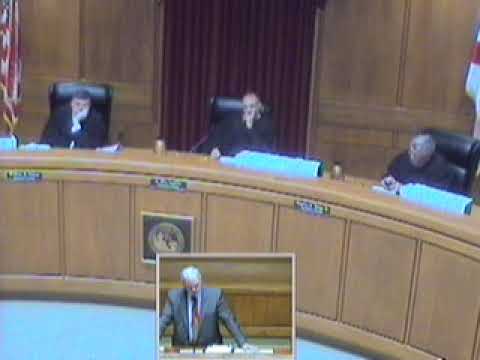
According to the argument recordings (in two parts), a personal representative for a deceased trustee’s estate and a co-trustee who was also a beneficiary litigated over alleged misappropriation of trust funds. The questions argued included whether a co-trustee who didn’t act for years could be held liable or could later sue, whether laches barred the claims, and whether the dispute should be tried to a jury.
Outcome: We have not located a published decision for this appeal. Many appeals end in an unpublished affirmance or a dismissal. Check the court’s online docket before relying on any result. The case facts below come from the oral argument, not from a court opinion.
Co-Trustee Duties in Florida
- Co-trustees who can’t reach a unanimous decision may act by majority (§ 736.0703).
- Each co-trustee must use reasonable care to prevent a co-trustee from committing a serious breach of trust and to compel a co-trustee to redress one (§ 736.0703(7)).
- A co-trustee who doesn’t join in an action isn’t liable for it, unless the co-trustee failed in that duty to prevent or redress serious breaches.
Deadlines and Laches
- Claims against a trustee can be barred by § 736.1008 if a beneficiary received a trust disclosure document or accounting that adequately disclosed the claim (six months after a limitation notice) and otherwise by the statute of limitations.
- Laches, an equitable defense, can bar claims when unreasonable delay prejudiced the other side.
Jury Trial
Florida courts treat breach of trust claims about trust administration as equitable, with no right to a jury (see Mastriana v. Brown Brothers Harriman, Fla. 4th DCA 2025).
Lessons
- A co-trustee can’t stay silent. Object in writing and seek court help if the other trustee is misusing funds.
- Beneficiaries: read every accounting and limitation notice; the clock may be running.
Watch the Oral Argument
This is the recording of the actual oral argument, posted on the channel. We have not located a published decision in this appeal, so treat the argument as illustration, not as the court’s ruling.
Breach of Trust Lawsuit: Co-Trustee Liability, Jury Trial & Laches Defense | French v. Ross
Florida 5th DCA Oral Argument | Case 5D2014-3914 (Part 2)
Go Deeper
- The Trust Lawsuit Deadline Nobody Warns You About — Florida § 736.1008
- Florida Trustee Duties and Beneficiary Rights: Accountings, Self-Dealing, and the 6-Month Deadline
- What Can I Actually Do If My Florida Trustee Is Stealing or Mismanaging the Trust?
Frequently Asked Questions
Is a co-trustee liable for the other trustee's breach in Florida?
Potentially, if the co-trustee failed to use reasonable care to prevent or redress a serious breach (§ 736.0703).
Can laches bar a breach of trust claim?
Yes. Laches can bar equitable claims after unreasonable, prejudicial delay, in addition to statutory deadlines like § 736.1008.
Is there a jury trial for breach of trust in Florida?
Generally no. These claims are equitable and tried to a judge.
What was the outcome in French v. Ross?
We have not located a published decision. Check the Fifth District docket for No. 5D14-3914.
Talk to a Florida trust litigation lawyer
Weidner Law, P.A. handles Florida trust disputes and probate appeals from St. Petersburg. If you need a trust litigation lawyer, call (727) 954-8752 or email weidner@mattweidnerlaw.com.
Read the law yourself, free: the full Florida Probate Code and Probate Rules and the Florida Trust Code are on floridarules.net.
This article is general information about Florida law, not legal advice about your situation. Reading it, watching the videos, or contacting the firm does not create an attorney-client relationship. Every case turns on its own facts, and past results do not guarantee a similar outcome. The hiring of a lawyer is an important decision that should not be based solely upon advertisements.
