
In short: It can be. A Florida judgment entered without notice and an opportunity to be heard can be void, and a void judgment can be attacked without the one-year limit that applies to most motions to vacate. But courts often treat the judgment as only voidable when the owner knew about the case and learned of the judgment in time to act. In Abreu v. HSBC, Miami-Dade homeowners waited years to press their motion, the court file had been destroyed, and the Third District affirmed the denial without a written opinion on November 1, 2017.
The Facts
HSBC obtained a summary judgment of foreclosure against Carlos and Celia Abreu in Miami-Dade County in 2009. The Abreus later moved to vacate it, saying they never received notice of the summary judgment motion or the hearing. According to the argument, the trial court denied relief in an order entered August 30, 2016, and they appealed (No. 3D16-2115).
The points below are what the lawyers argued, not findings by the court.
- The homeowners’ lawyer argued a judgment entered without notice is void and may be attacked at any time, citing Third District cases. He said the only evidence in the record was the Abreus’ affidavits that they received no notice, and that the docket did not even show a summary judgment motion.
- He conceded the trial court had ordered an evidentiary hearing years earlier and that prior counsel never set it, but argued that delay could not cure a due process violation. He asked only for a remand for an evidentiary hearing.
- The clerk had destroyed the court file roughly six years after the judgment, leaving a thin record. The homeowners argued that was no one’s fault and that a lost record can justify a remand.
- HSBC’s lawyer argued the motion was a second motion for relief filed eight years after the judgment, that the trial court denied it as already decided in 2013, and that successive motions on the same grounds are improper.
- HSBC argued the docket showed a notice of hearing about two months before the final hearing, that the Abreus knew about the case and received the final judgment, so any defect made the judgment at most voidable, and that only the time-barred grounds of rule 1.540(b)(1) through (3) were available. It also said a new hearing would prejudice the bank because the original note had been destroyed with the file.
The Decision
The Third District affirmed on November 1, 2017. The ACIS docket lists the disposition as “Per Curiam Affirmed,” with no written opinion, and the mandate issued November 27, 2017.
Because there is no opinion, the affirmance does not say whether the court relied on the delay, the earlier ruling, the void-versus-voidable distinction or the state of the record. It is not a holding that a judgment entered without notice is valid.
The Law
rule 1.540(b) lets a court relieve a party from a final judgment. Motions for mistake, newly discovered evidence or fraud under (b)(1) through (3) must be filed within a reasonable time and not more than one year after the judgment. A motion claiming the judgment is void under (b)(4) has no one-year limit, but it must still be filed within a reasonable time.
Florida courts generally treat a judgment as void when the court lacked subject matter or personal jurisdiction, or when it was entered in violation of due process, such as without notice and an opportunity to be heard. See Tannenbaum v. Shea, 133 So. 3d 1056 (Fla. 4th DCA 2014). Courts have also held that a judgment is only voidable when the party had actual notice of the case and timely notice of the judgment, so it could have moved for rehearing or appealed. See Sterling Factors Corp. v. U.S. Bank Nat’l Ass’n, 968 So. 2d 658 (Fla. 2d DCA 2007).
The difference matters. A void judgment can be attacked years later. A voidable one must be challenged by rehearing, appeal, or a timely rule 1.540 motion.
Lessons
- If you learn a foreclosure judgment was entered without notice, move fast. Delay invites arguments that the judgment was only voidable and that you waited too long.
- When a court orders an evidentiary hearing on your motion, set it. Years of inaction were the bank’s main theme here.
- Keep copies of everything. Clerks destroy old files, and a thin record usually hurts the party trying to undo a judgment.
- A second motion raising the same grounds as an earlier one is likely to be denied.
- A per curiam affirmance without an opinion decides only that case.
Watch the Oral Argument
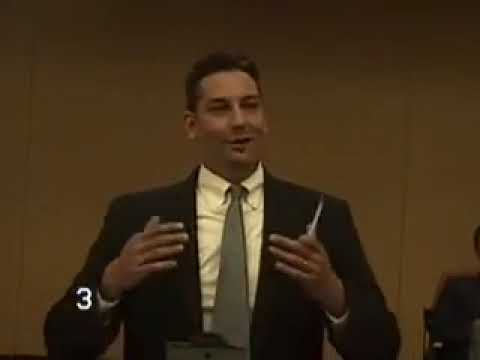
This is the recording of the actual oral argument, posted on the channel. What lawyers and judges say at argument is not the ruling; the decision is summarized above.
Void for Lack of Notice? Vacating a 2009 Foreclosure Judgment After the Clerk Destroyed the File
Read the Law on FloridaRules.net
The statutes and court rules discussed in this article, free to read on FloridaRules.net:
Go Deeper
- How to Vacate a Default or Final Judgment in Florida: Rule 1.540 and Its Limits
- Foreclosure Trial With No Real Notice? Why This Appeal Failed (Gutierrez v. BAC)
- When Your Teenager Accepts the Summons: Default in a Partition Case (Tan v. Hua)
Frequently Asked Questions
Can I get a foreclosure judgment thrown out if I never got notice of the hearing?
Possibly. A judgment entered without notice and an opportunity to be heard can be void under rule 1.540(b)(4). But if you knew about the case and got the judgment in time to appeal, a court may treat it as only voidable, which means the usual deadlines apply.
How long do I have to vacate a foreclosure judgment in Florida?
For mistake, newly discovered evidence or fraud, no more than one year after the judgment. For a void judgment there is no fixed deadline, but the motion must be made within a reasonable time. The Abreus’ motion was heard years after their 2009 judgment, and they lost.
What is the difference between a void and a voidable judgment?
A void judgment has no legal effect and can be attacked at any time, usually because the court lacked jurisdiction or denied due process. A voidable judgment stands unless it is corrected through rehearing, appeal or a timely motion.
What happens if the court file in my foreclosure was destroyed?
Florida clerks may destroy old records under retention rules. A missing record can make it hard to prove what notices were sent. In Abreu both sides blamed the other for the gap, and the judgment was affirmed.
Talk to a Florida real estate litigation lawyer
Weidner Law, P.A. handles Florida real estate disputes, title problems and appeals from St. Petersburg. If you need a real estate litigation lawyer, call (727) 954-8752 or email weidner@mattweidnerlaw.com.
Read the law yourself, free: every Florida statute and court rule is on floridarules.net.
This article is general information about Florida law, not legal advice about your situation. Reading it, watching the videos, or contacting the firm does not create an attorney-client relationship. Every case turns on its own facts, and past results do not guarantee a similar outcome. The hiring of a lawyer is an important decision that should not be based solely upon advertisements.
